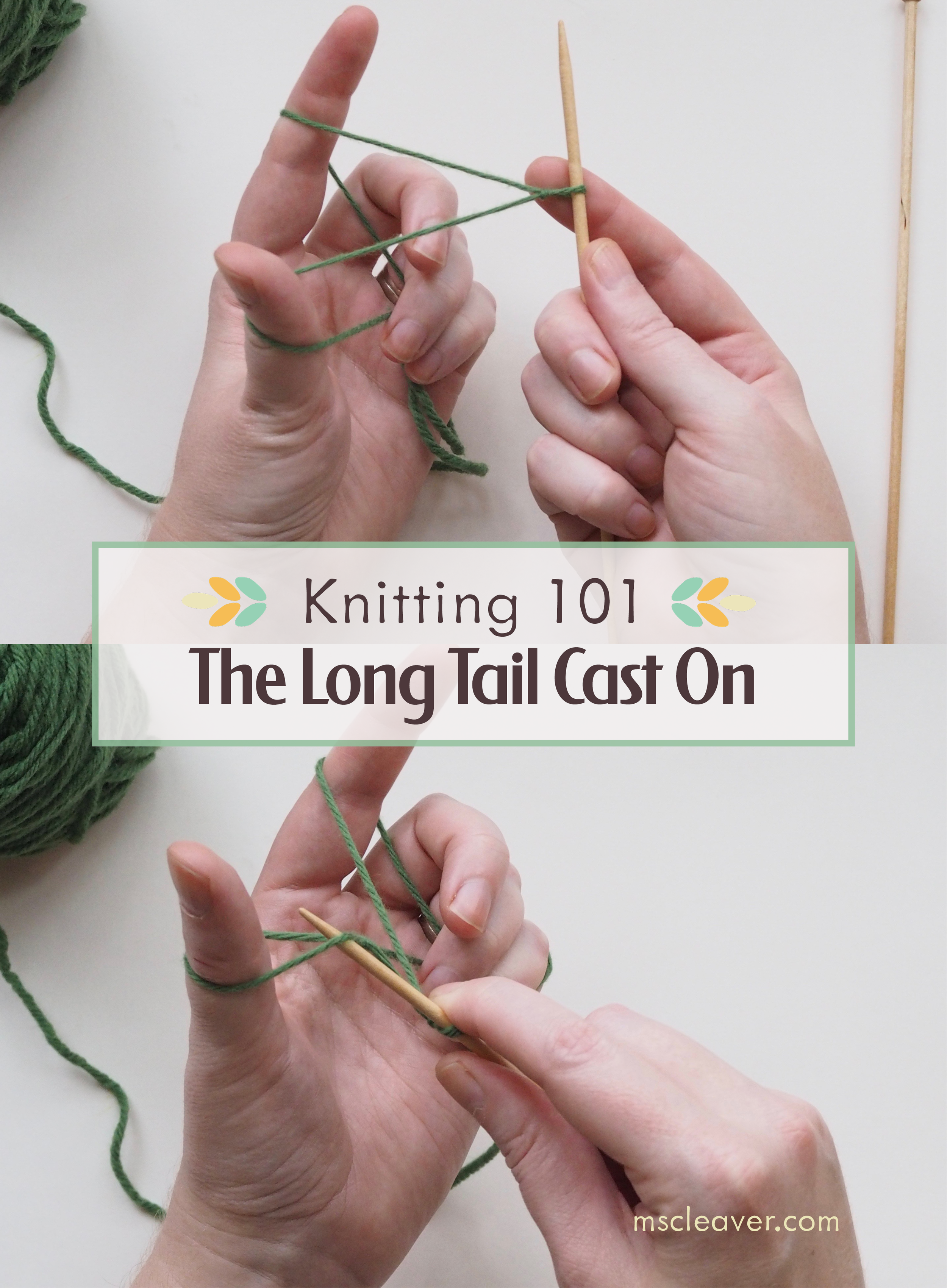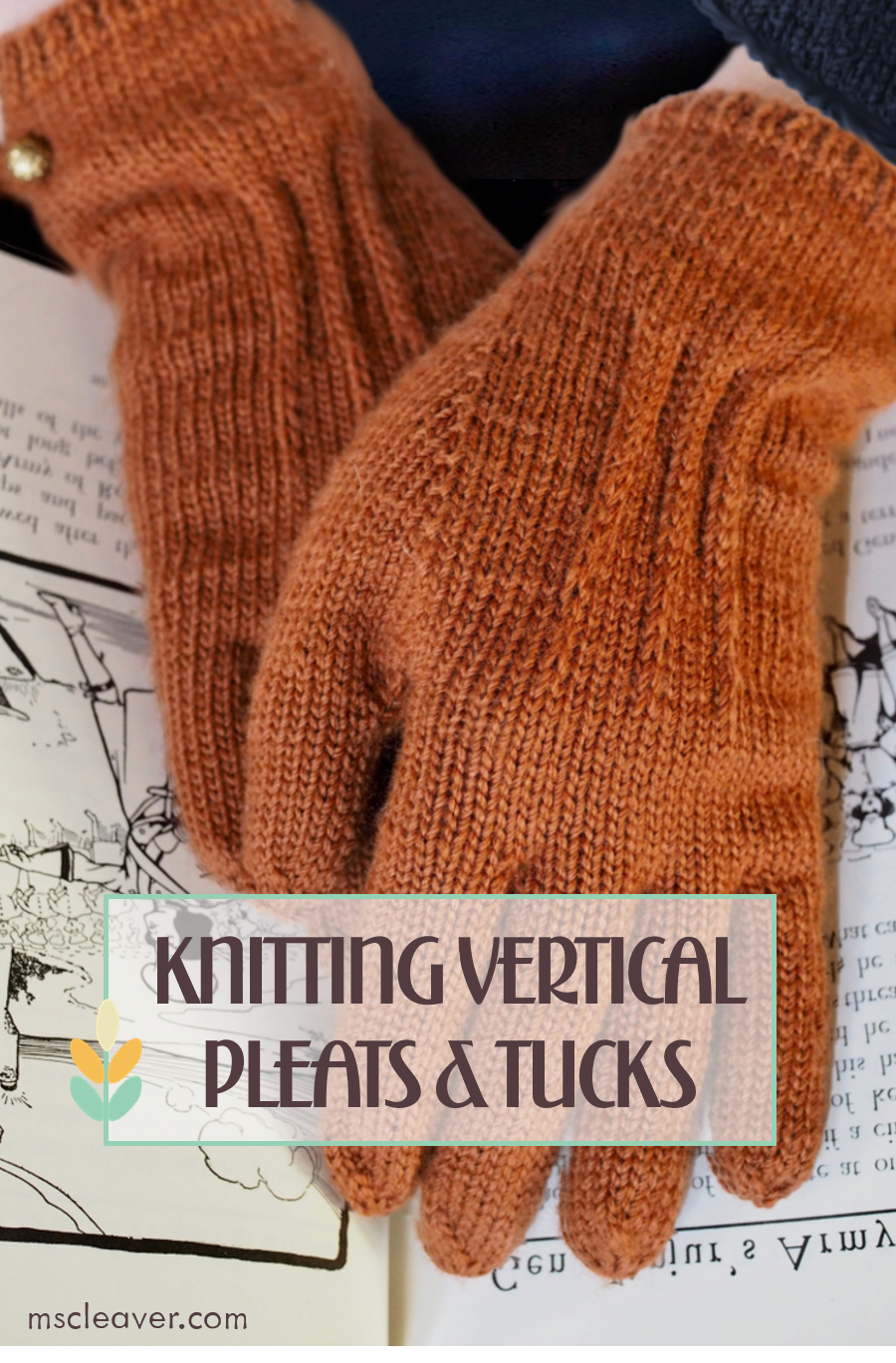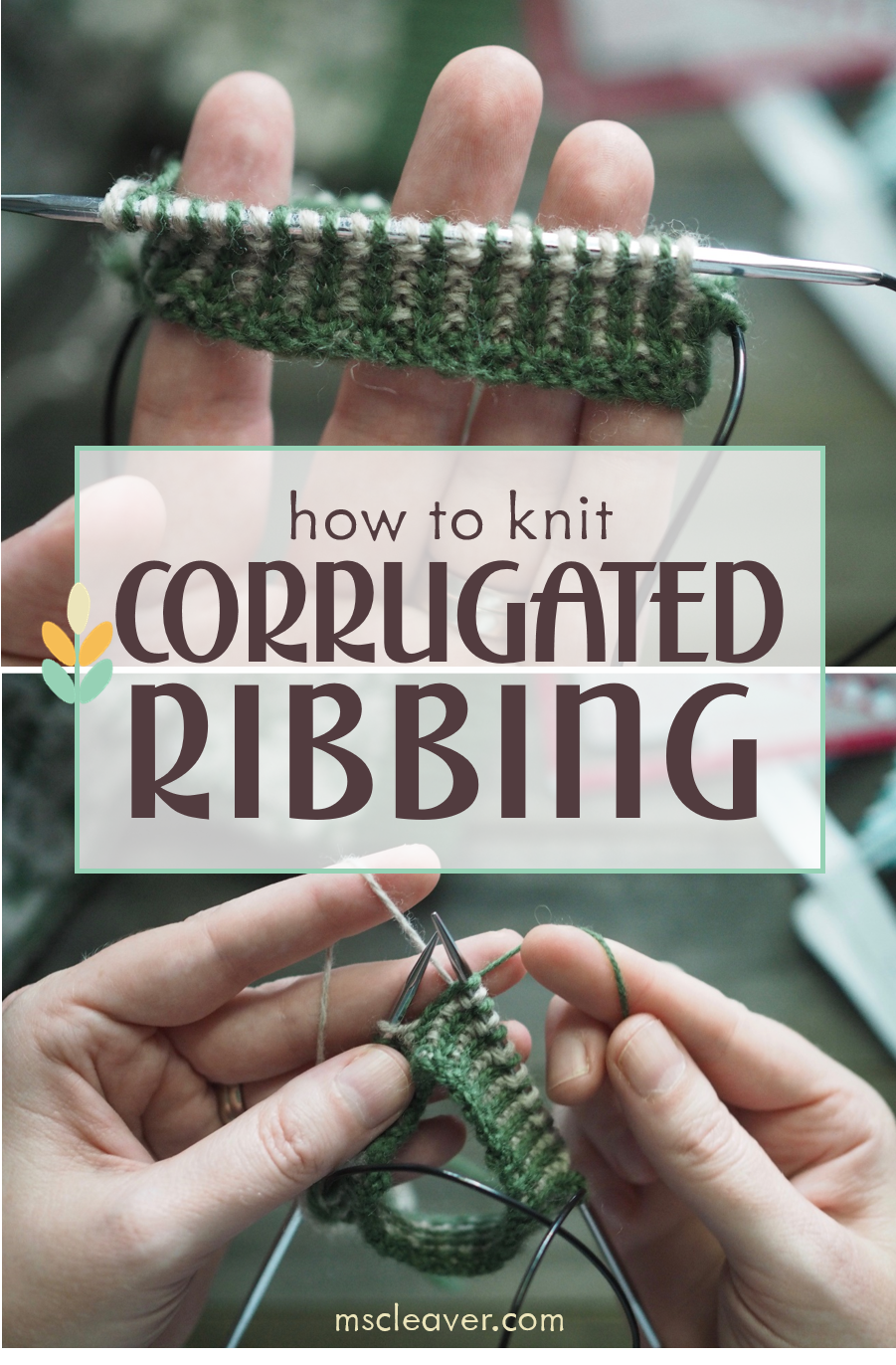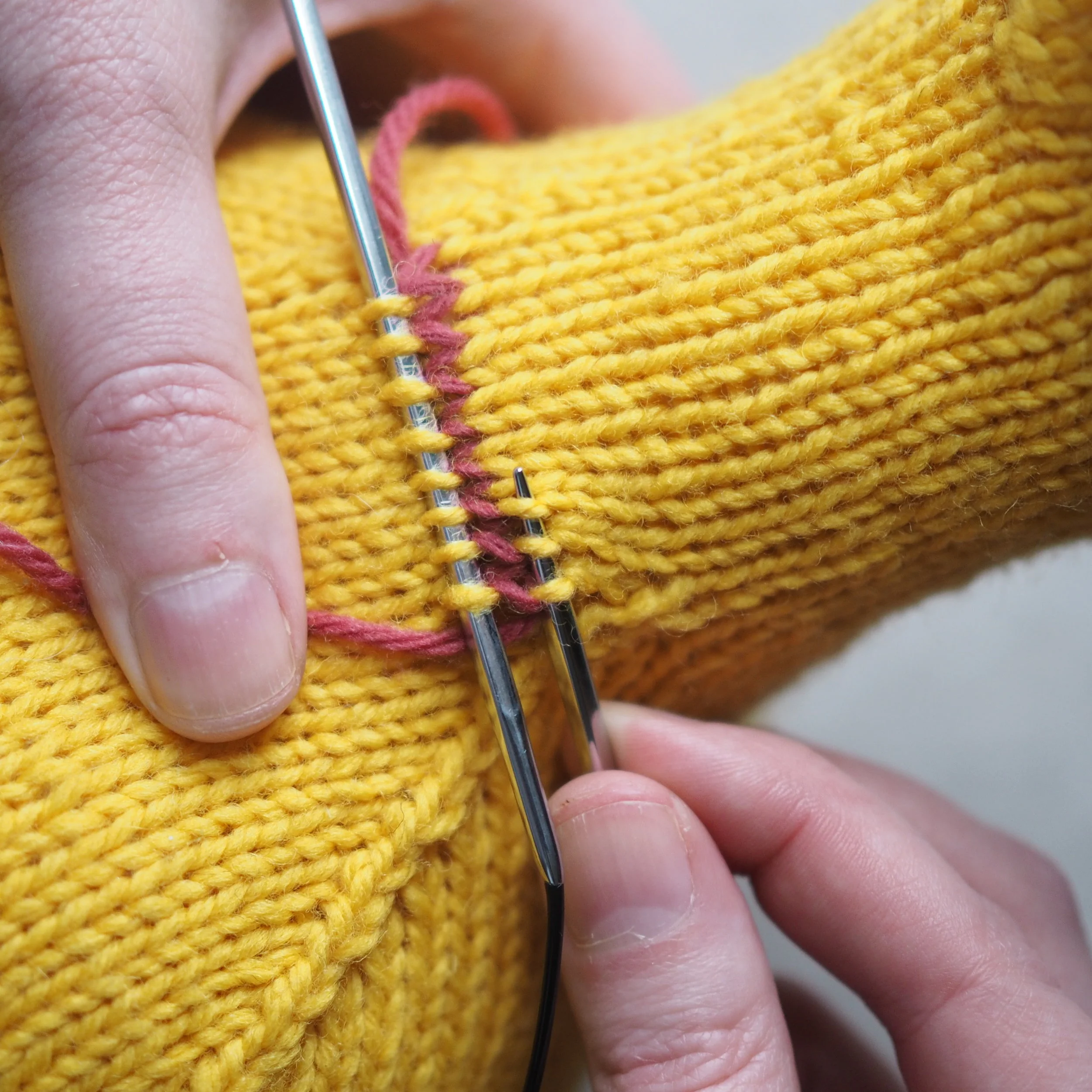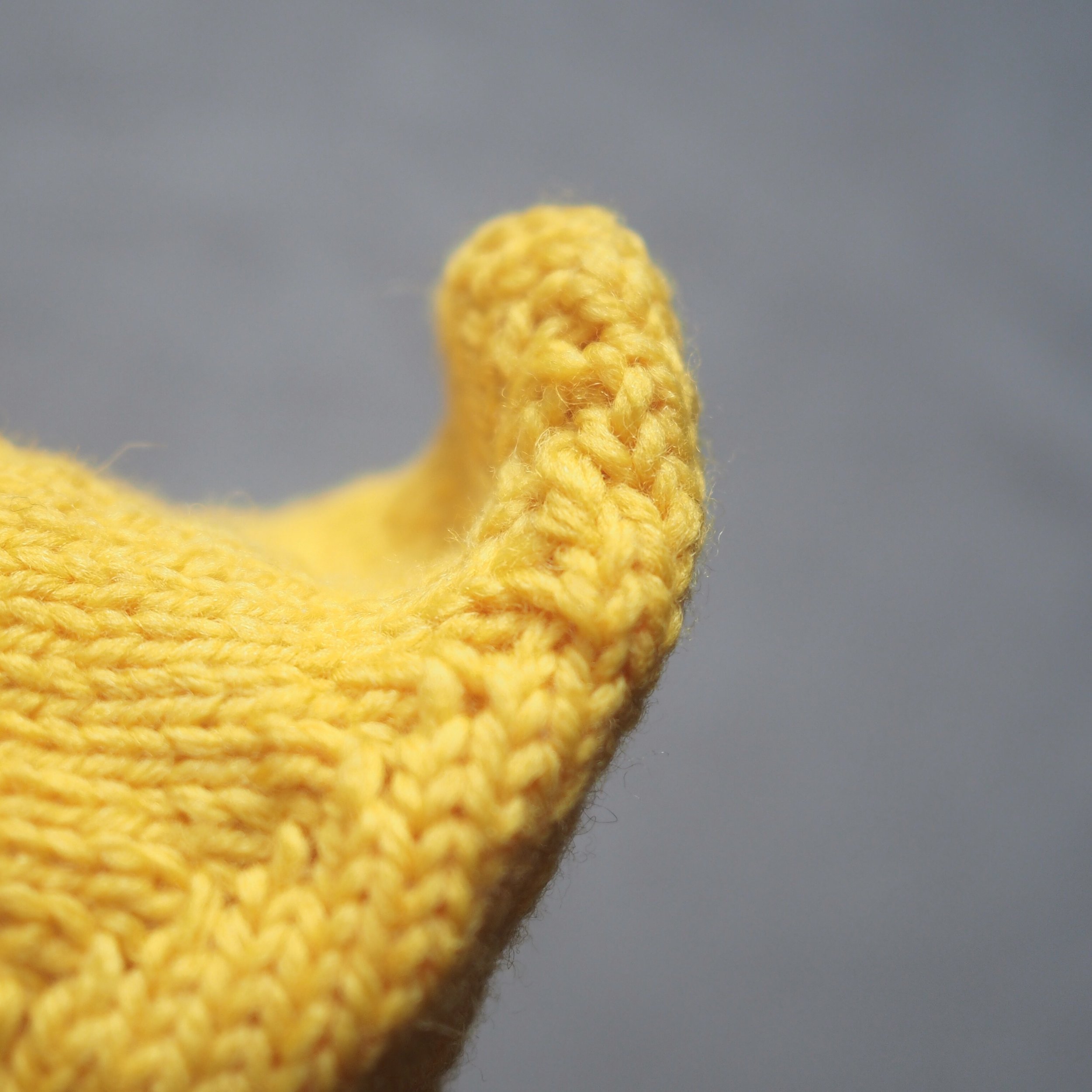
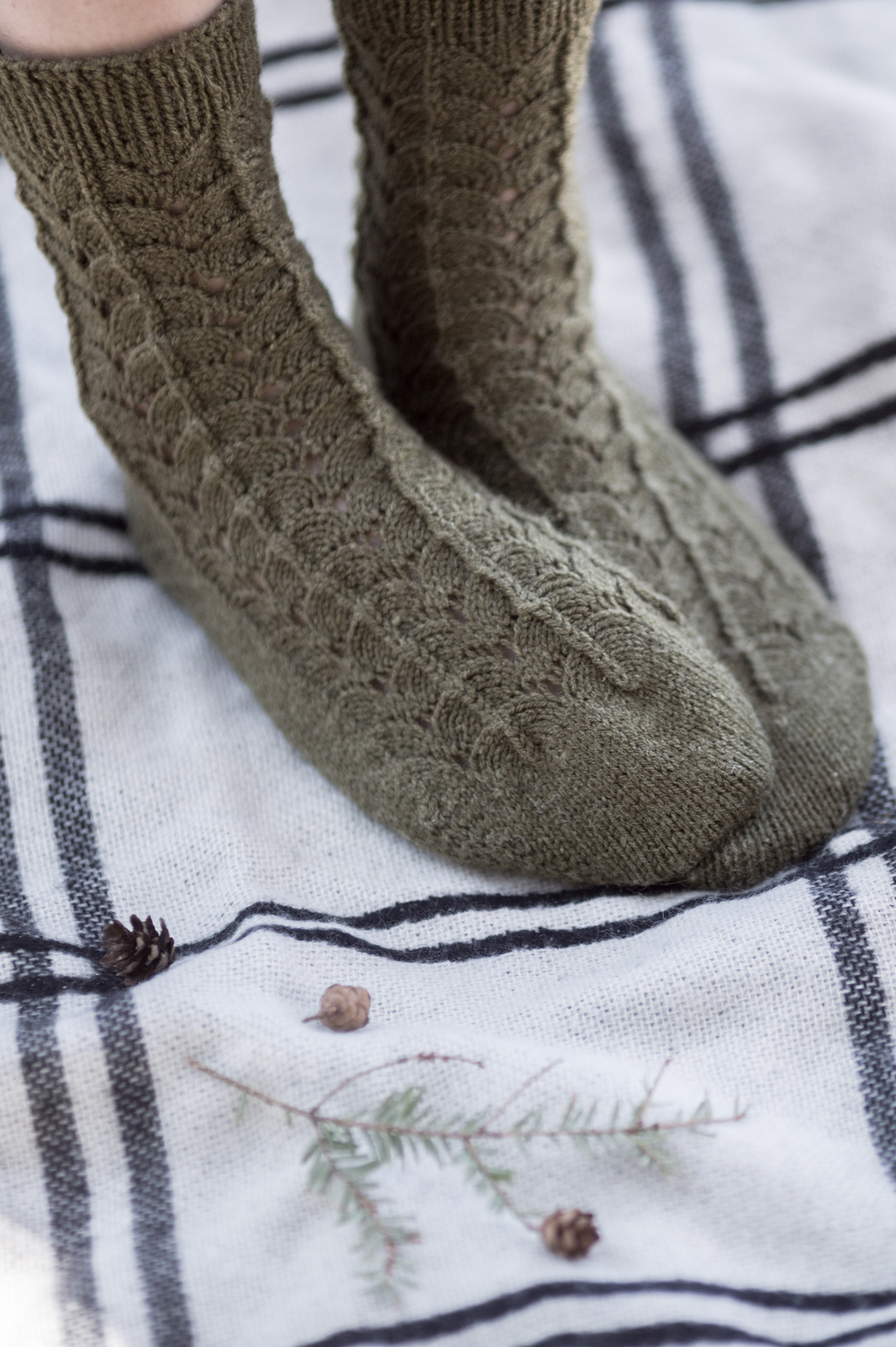
Introducing Nerio

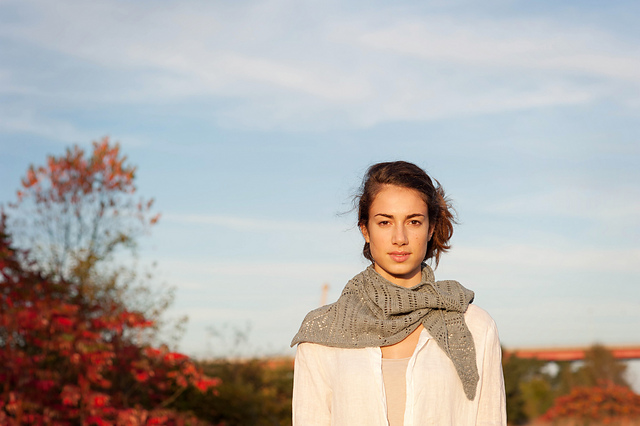
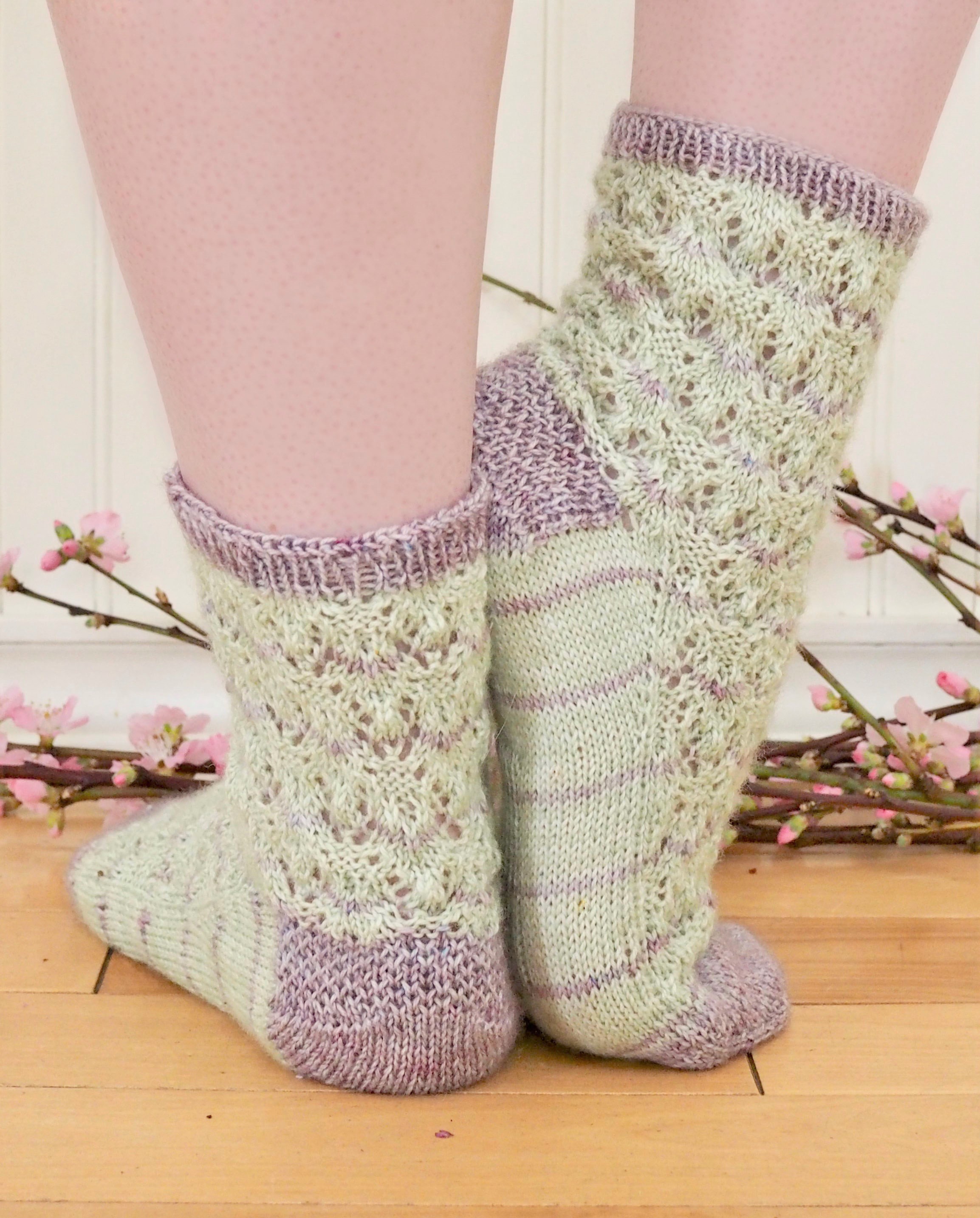
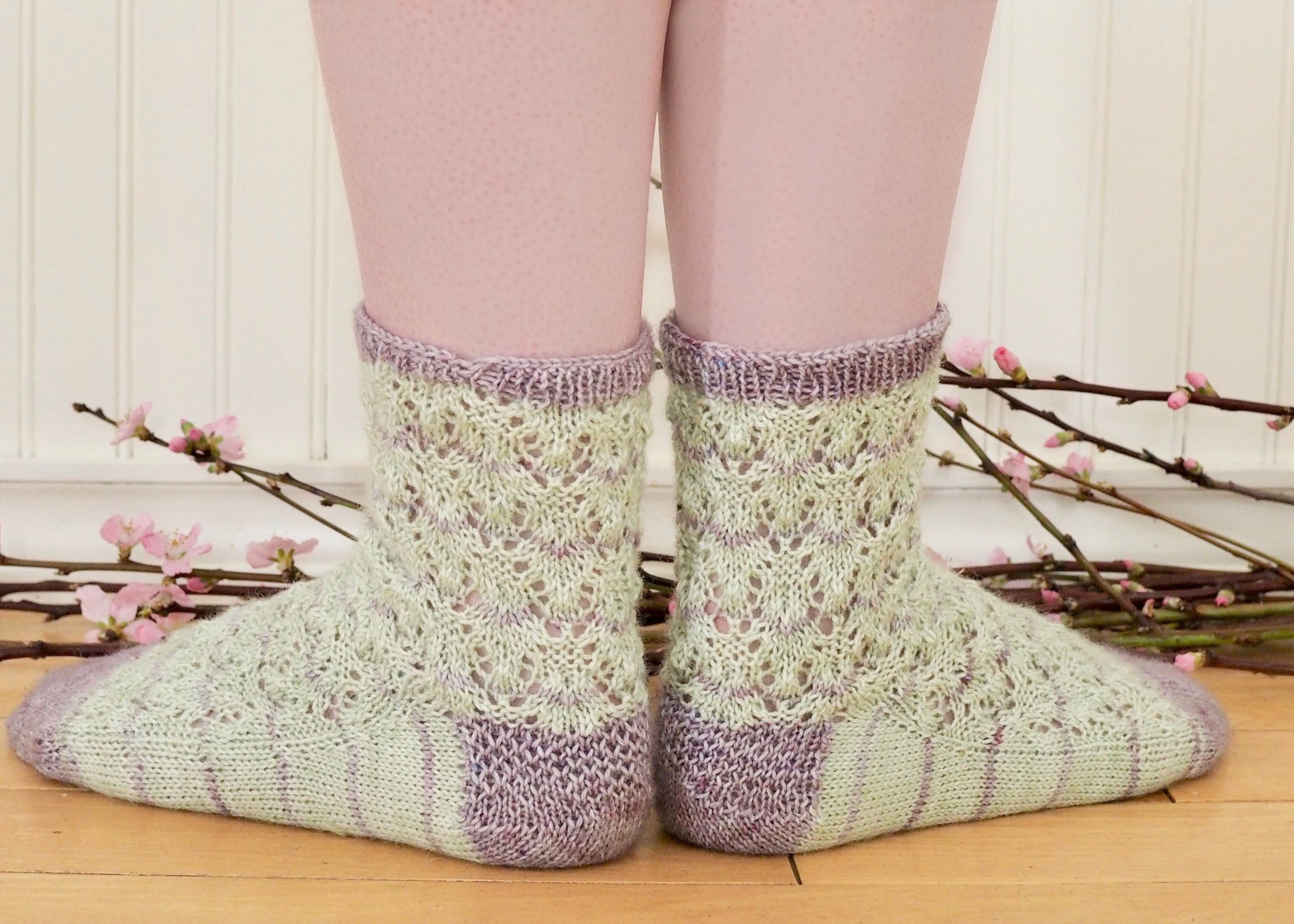
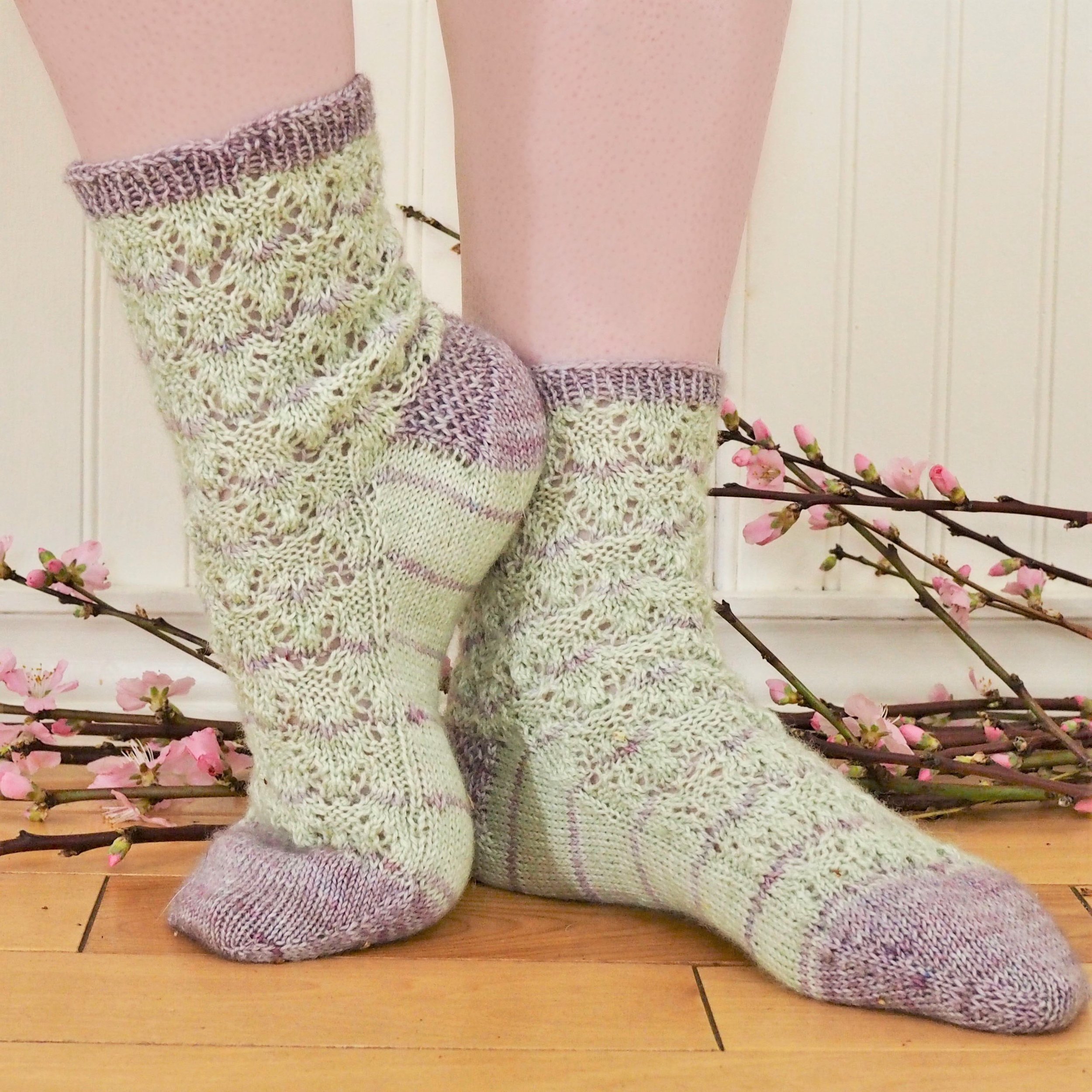
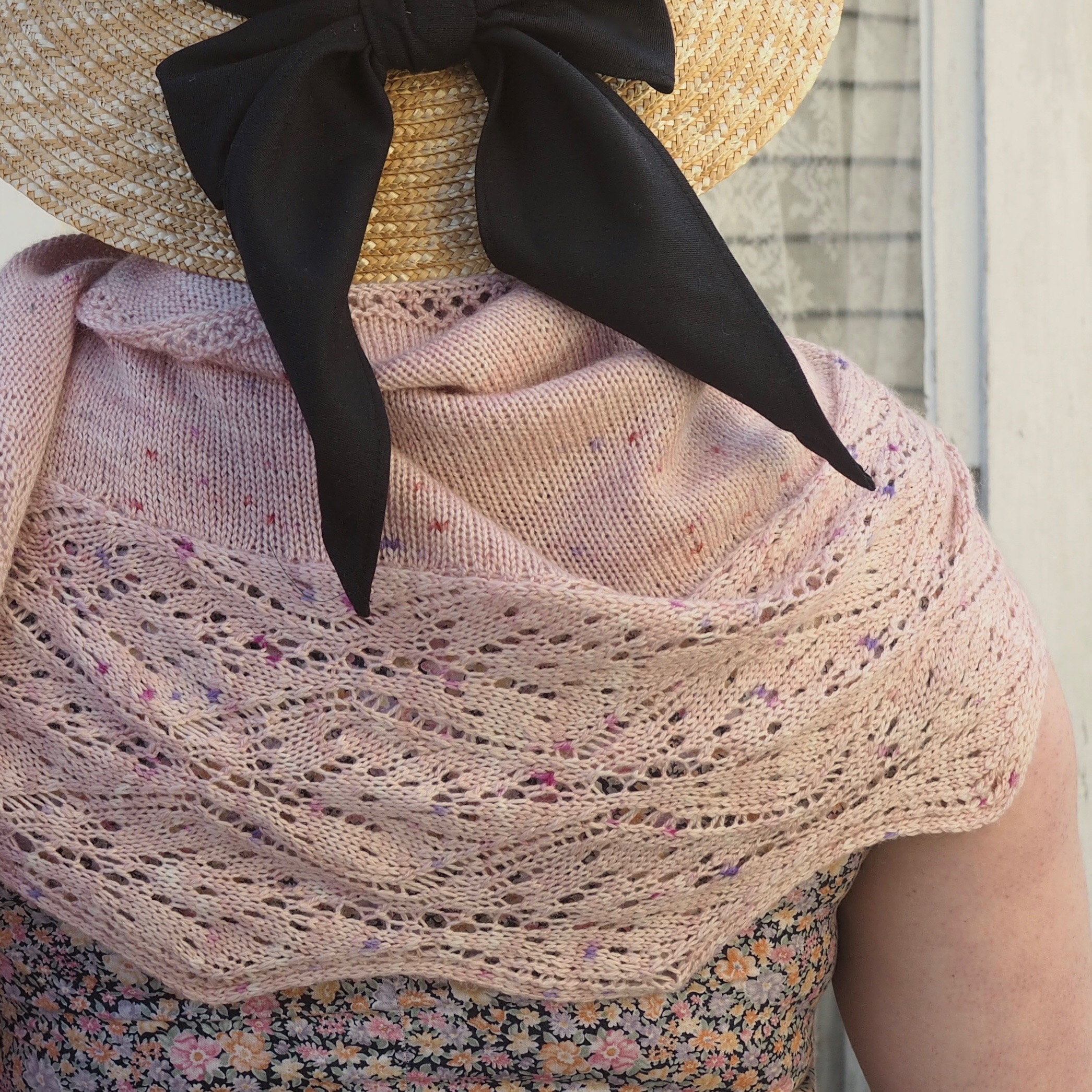
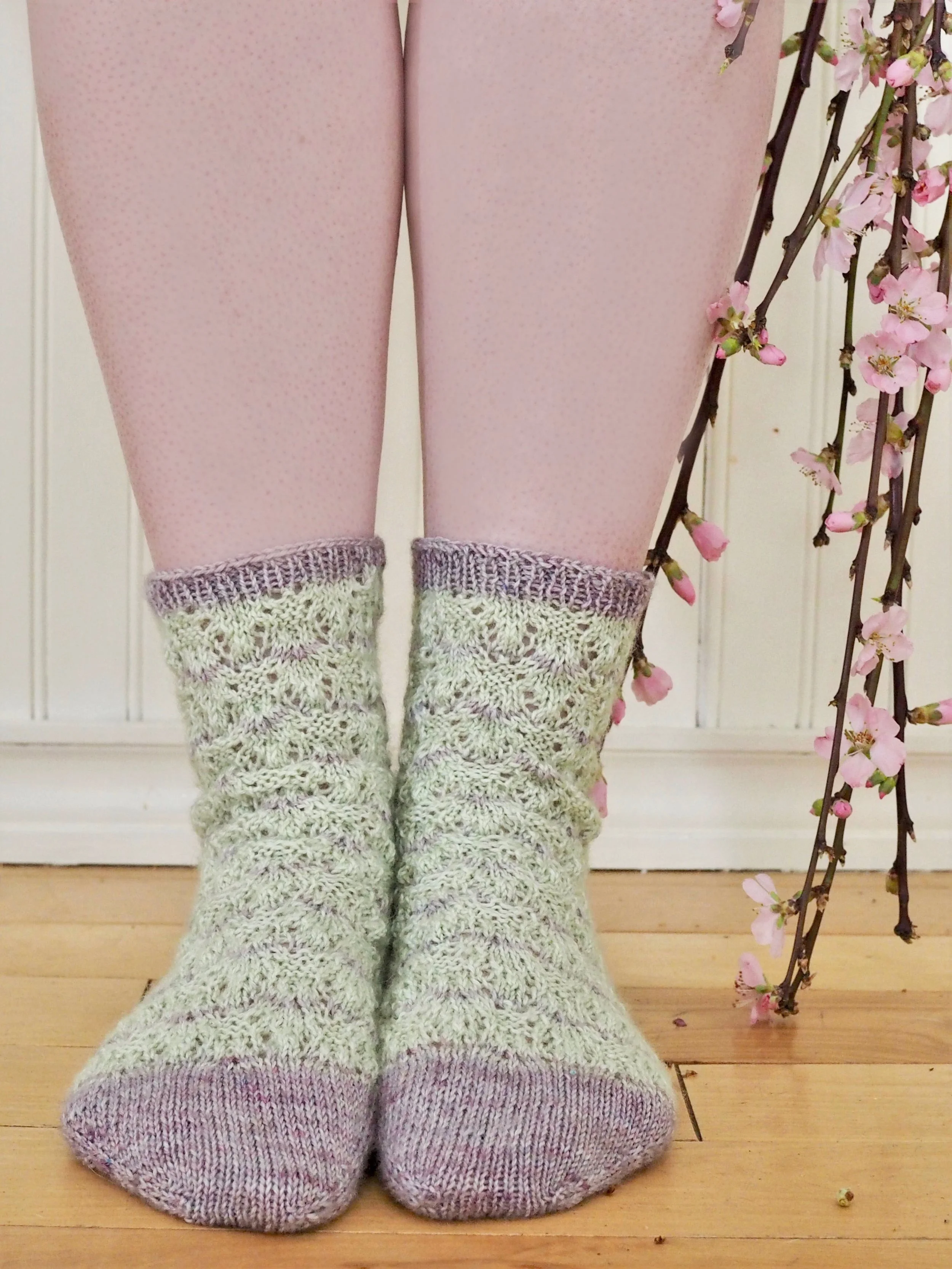
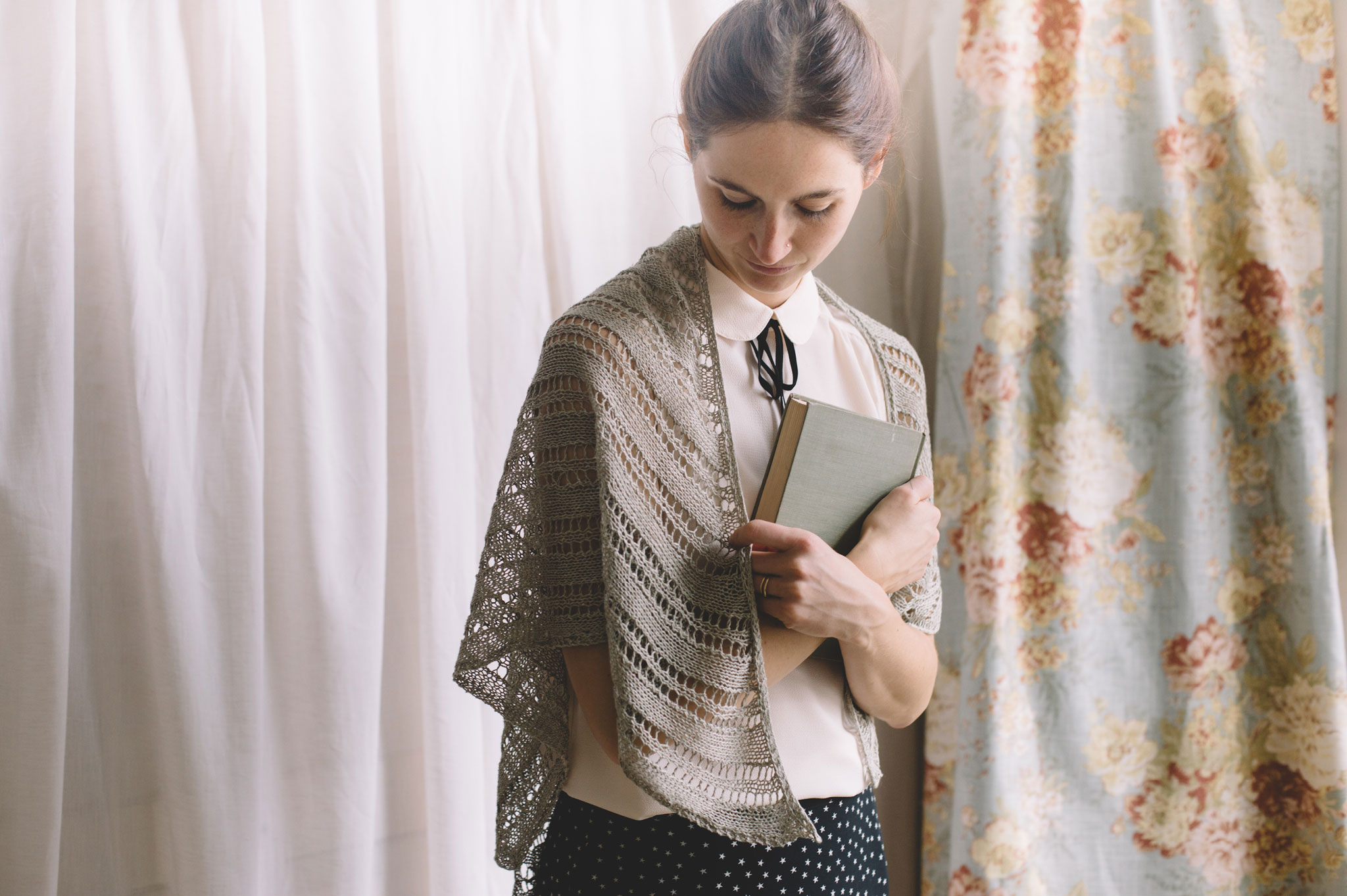
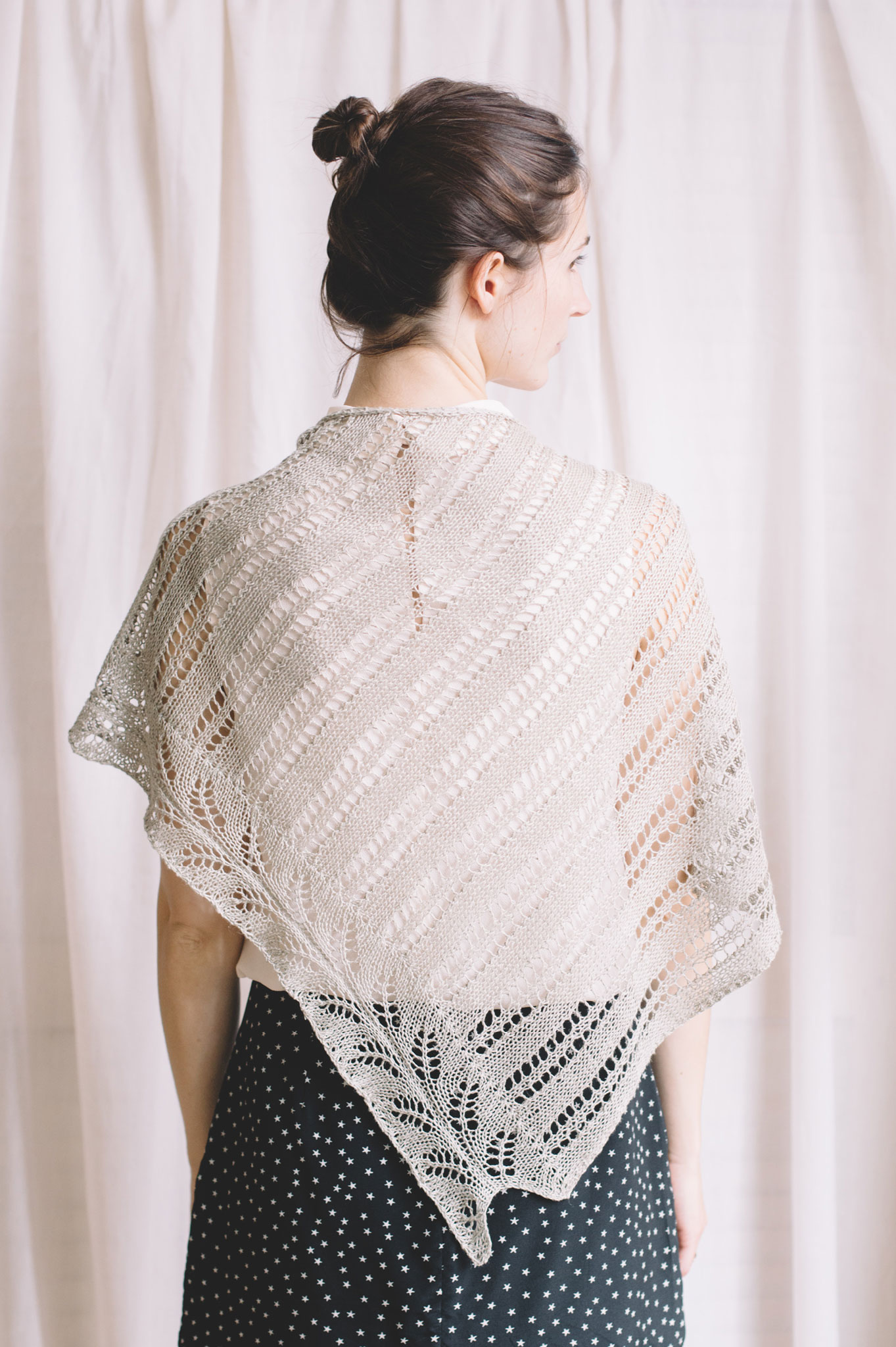
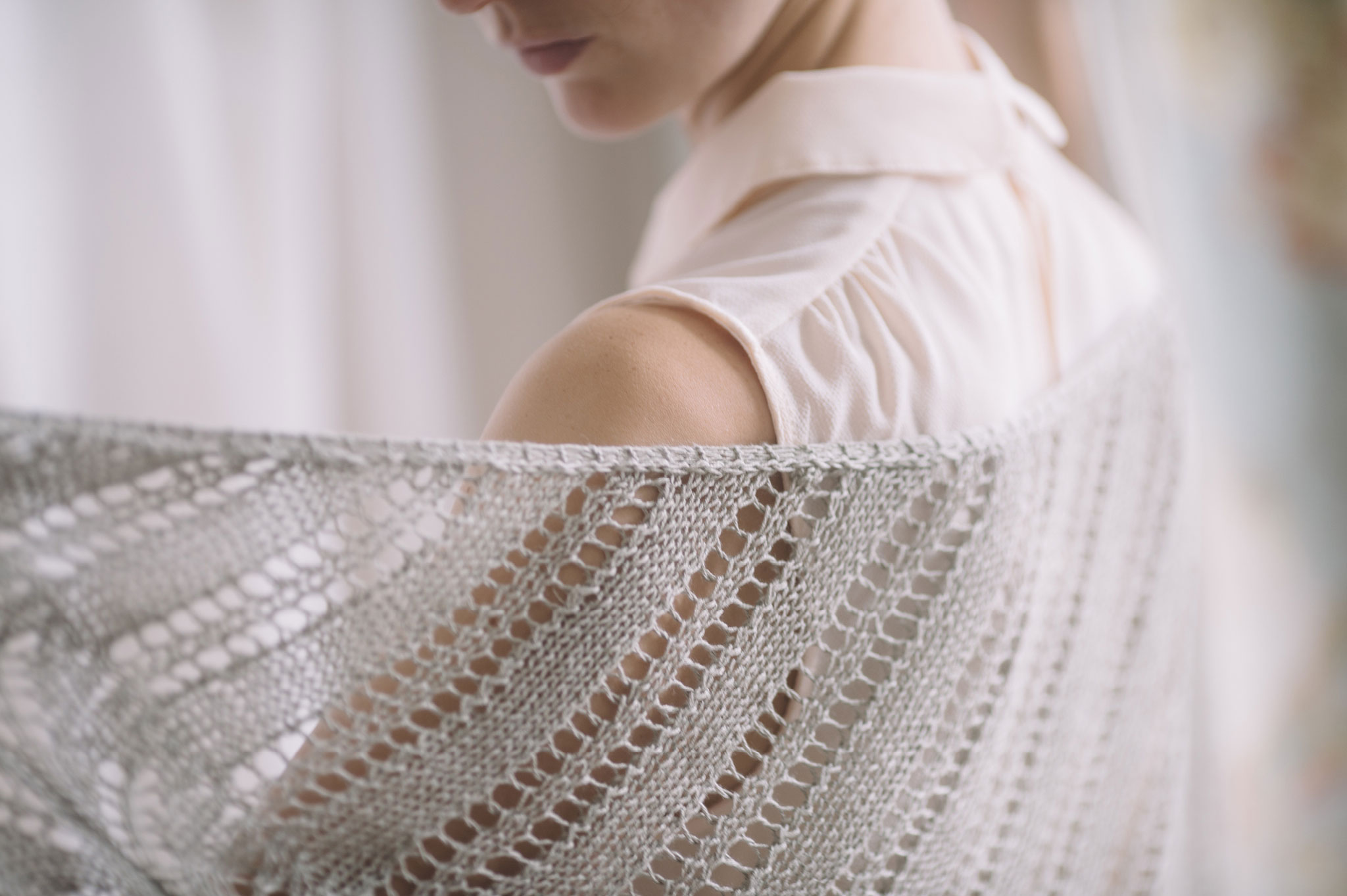
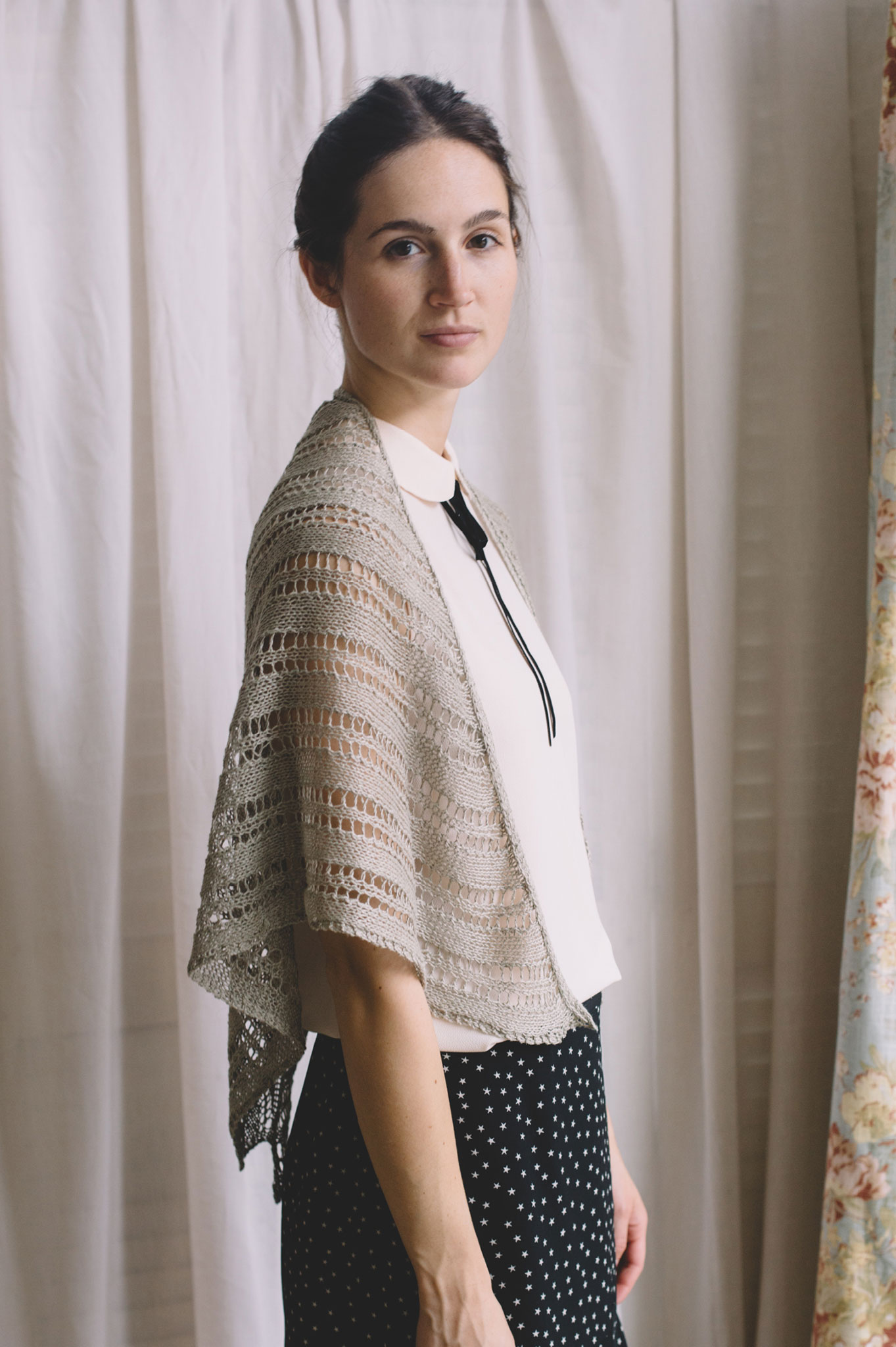
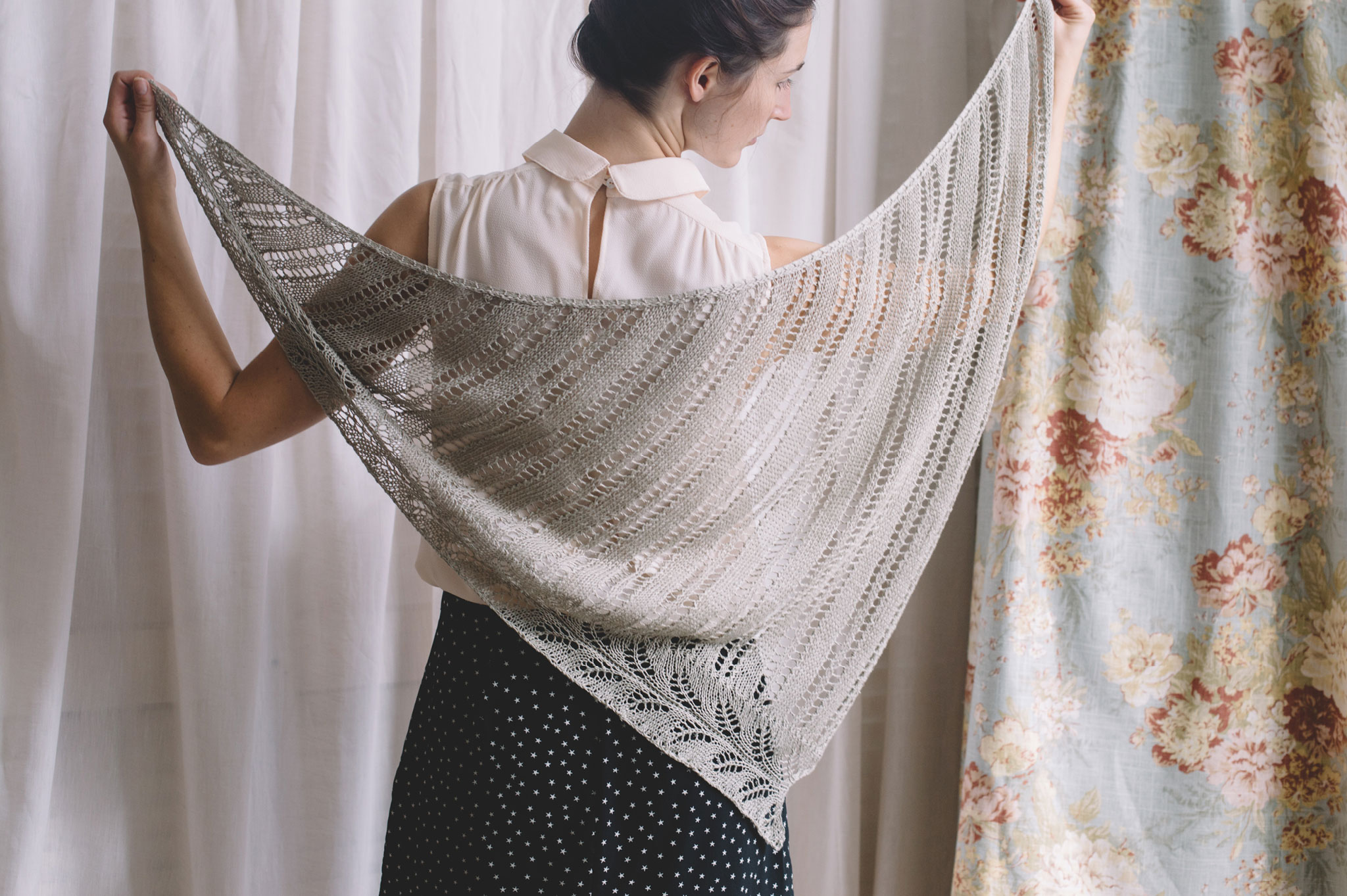
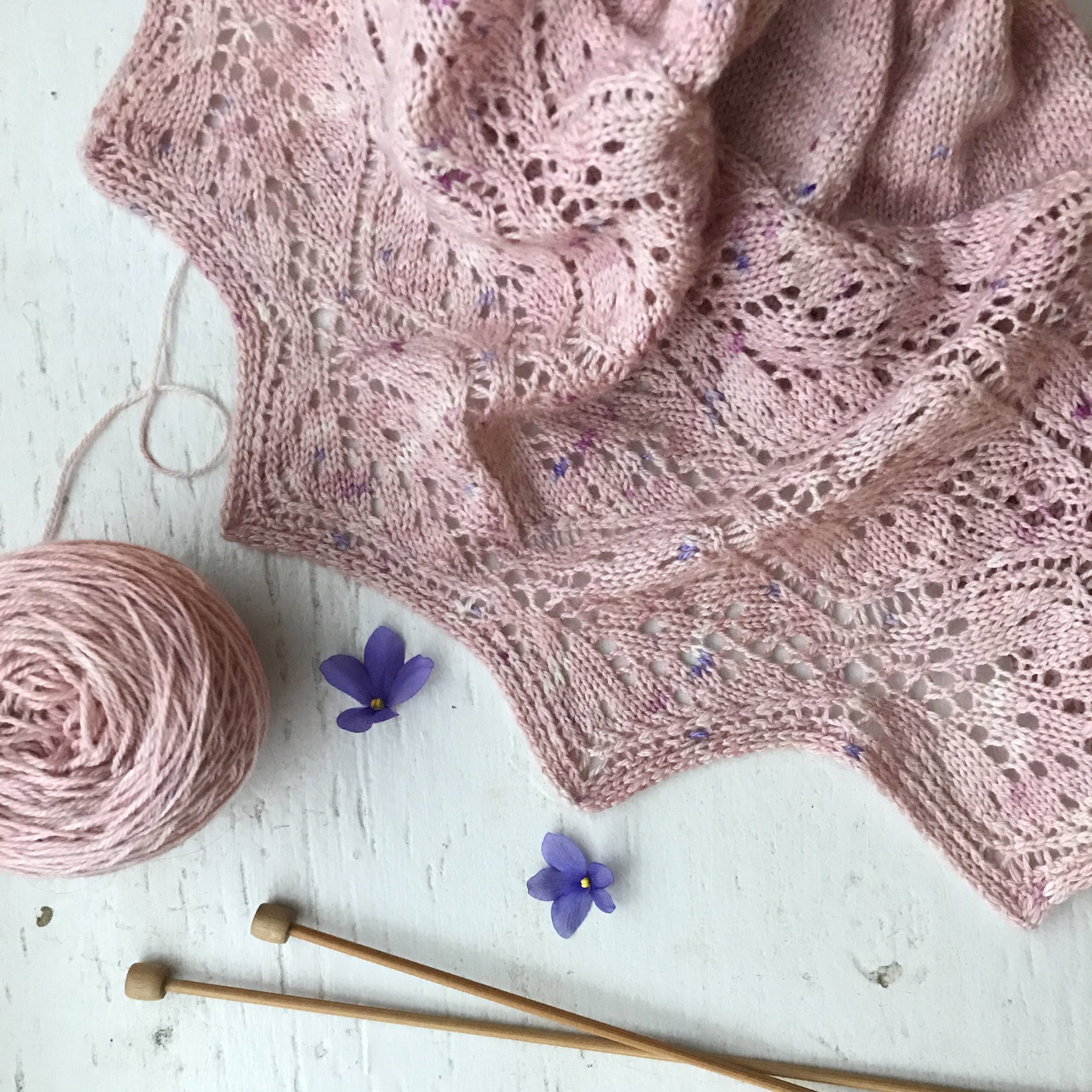
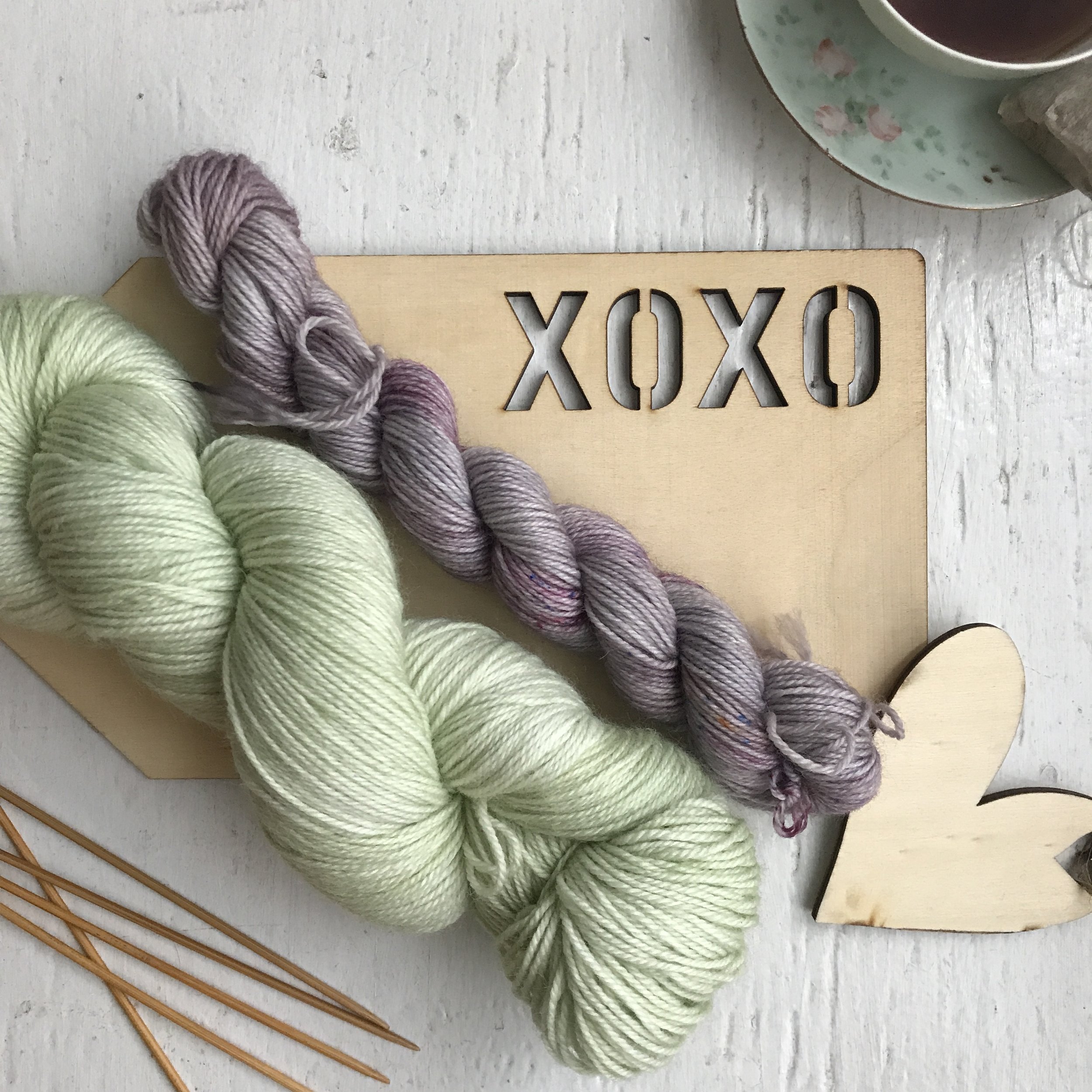
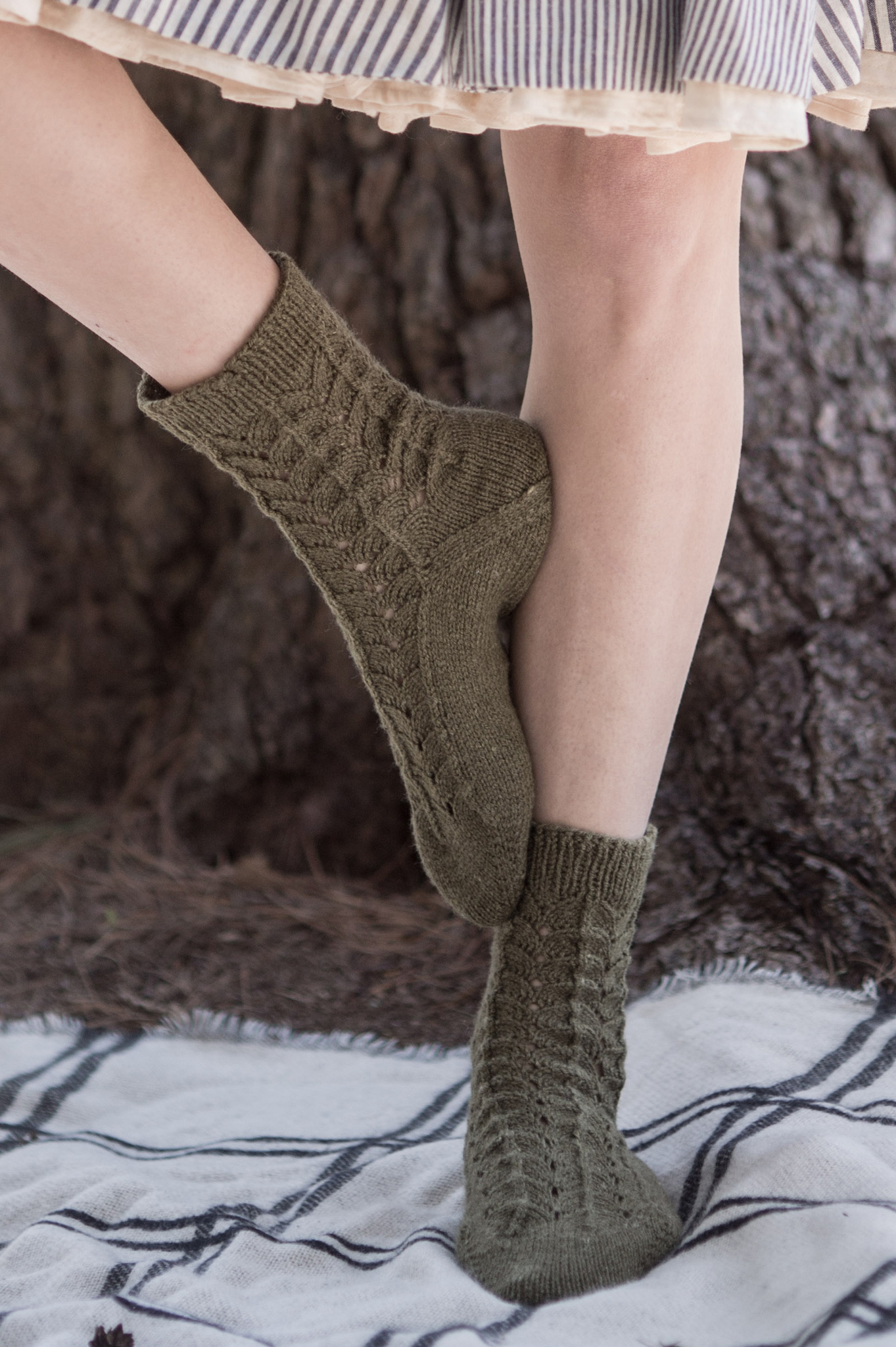
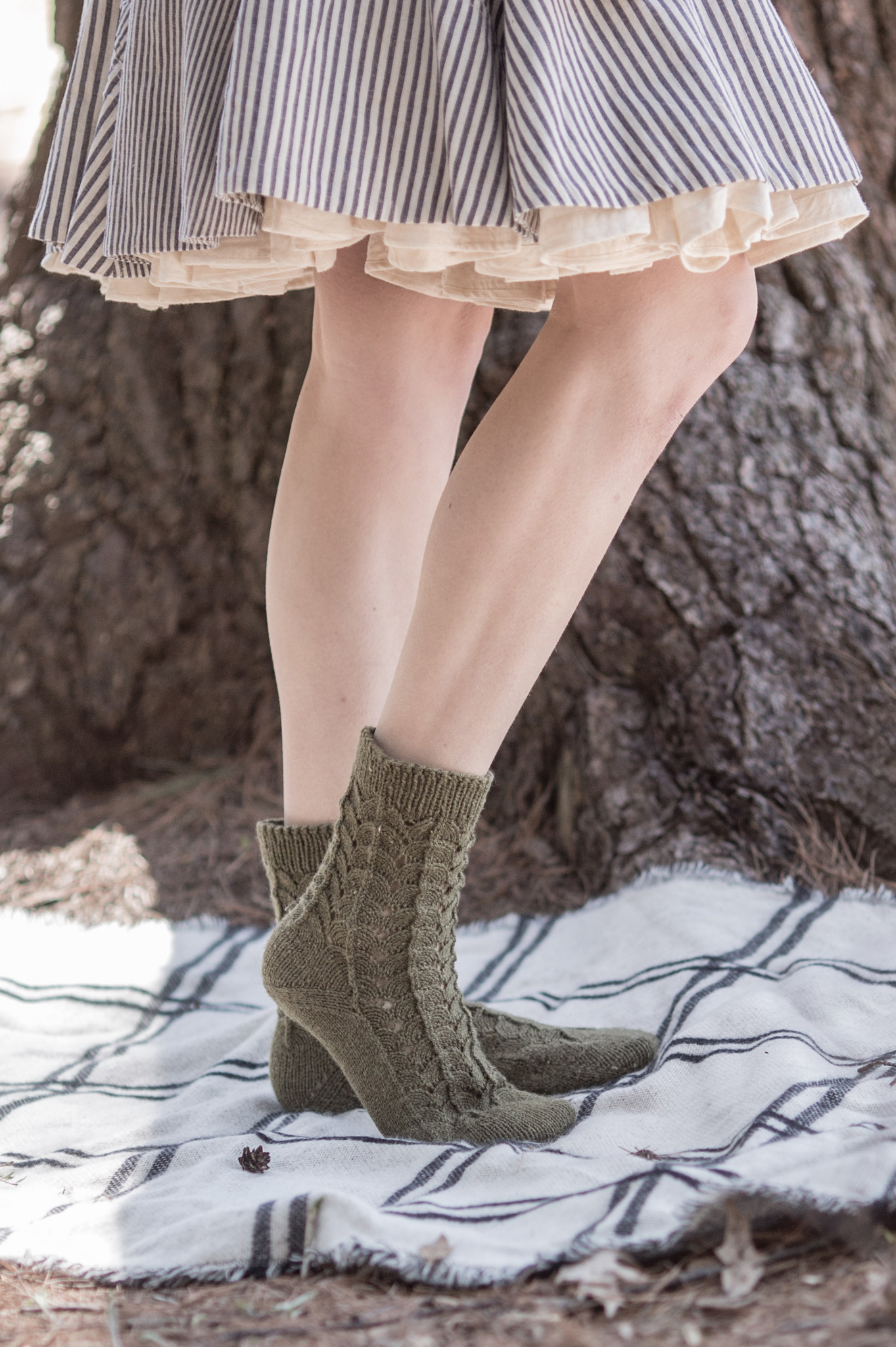
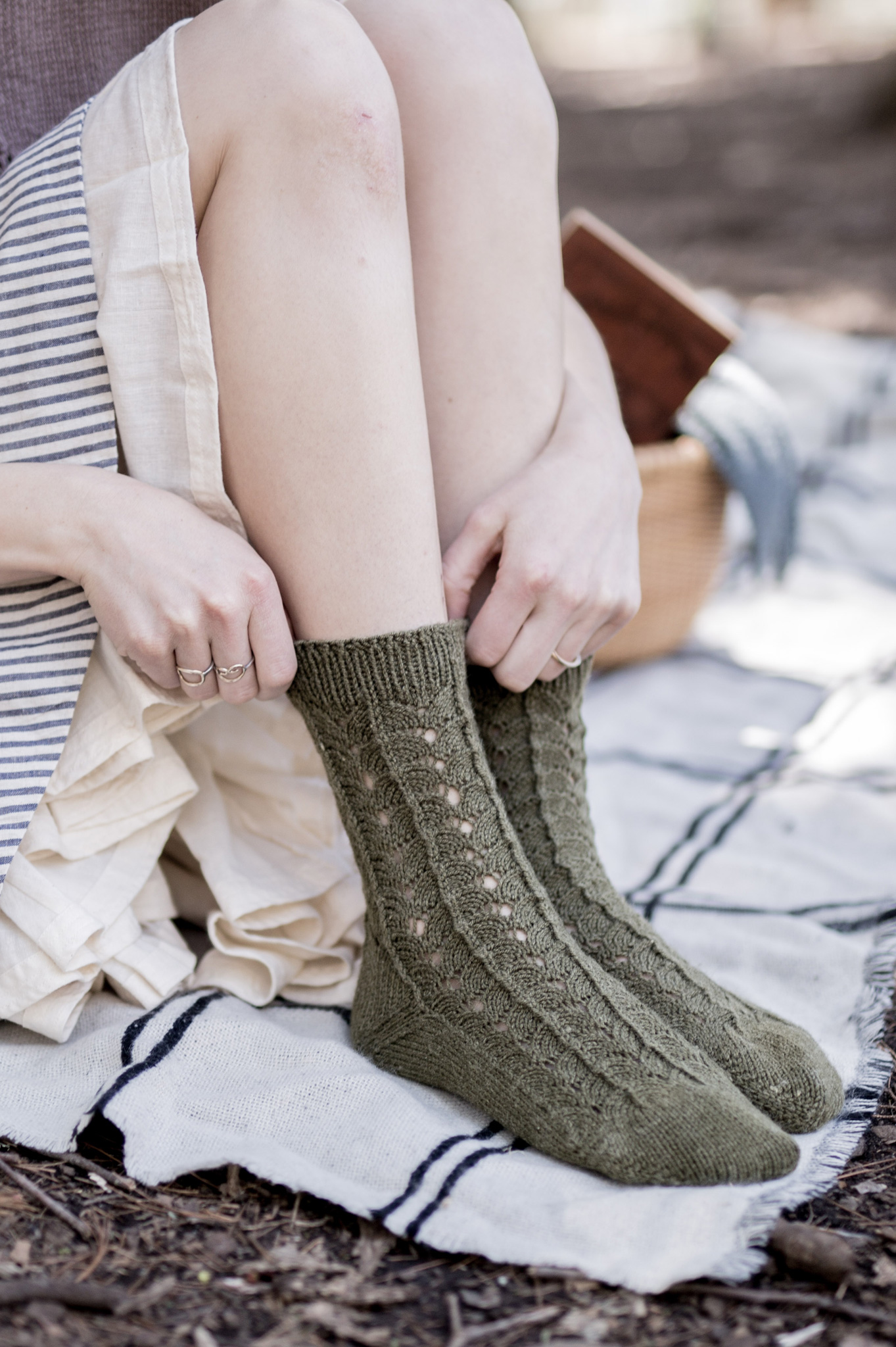
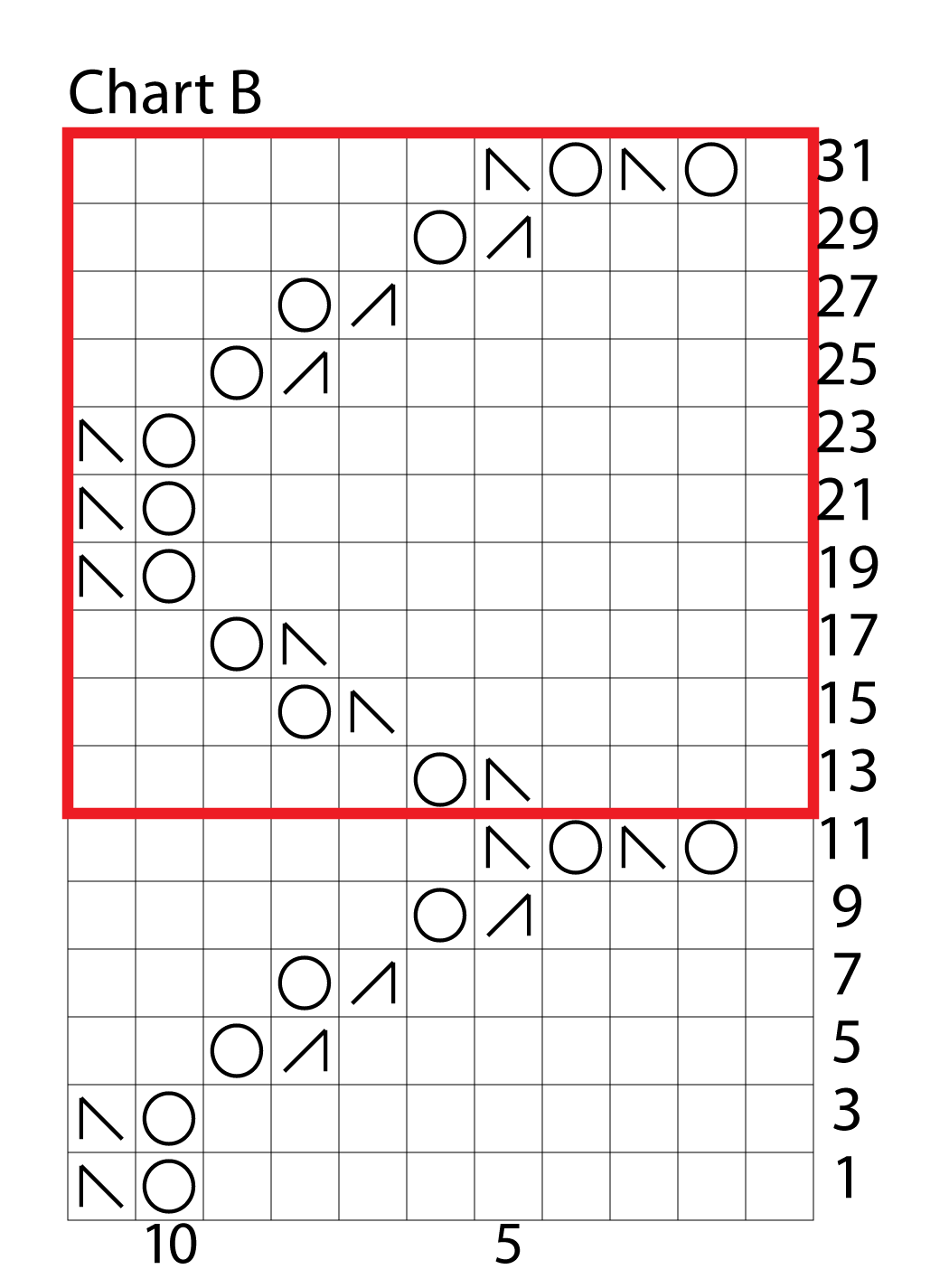
Meet Nerio, my latest (and 21st*!) release with Quince & Co. yarns. These quick-knit socks feature a deceptively simple lace pattern reminiscent of dragon scales. Toe-up construction with an afterthought heel keep the knitting flowing so these little beauties will practically hop (or should I say fly?)  off your needles. 

Nerio can be purchased as an individual pattern ($5.50 USD ) or as part of the five-pattern Tern 2018 collection ($18.00) from the following sources:

Ravelry | Ms. Cleaver | Quince & Co.

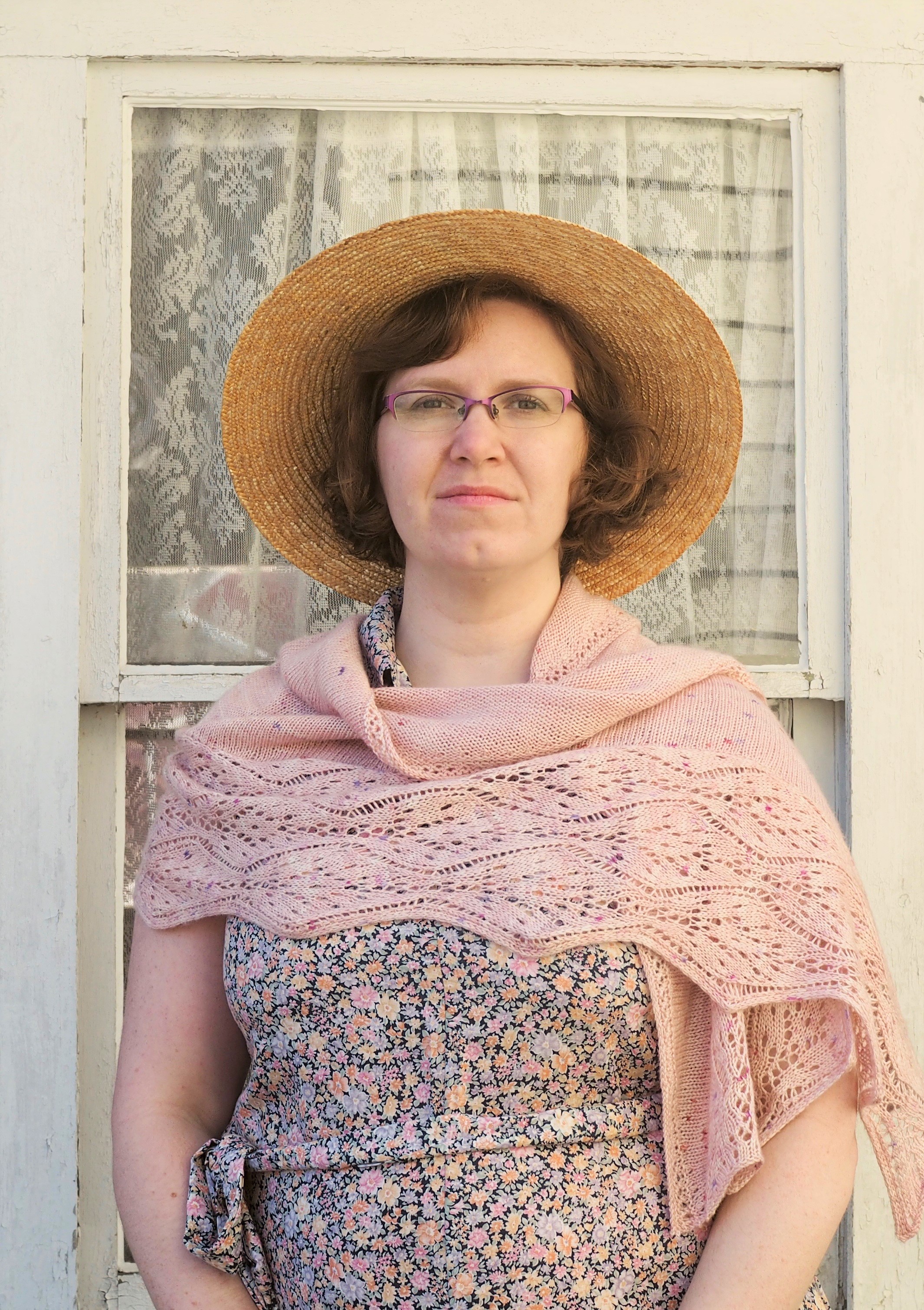
*And the third to be styled with that skirt!

Nerio -PDF Pattern
$5.50

Knit from the toe-up with an afterthought heel, these brief little socks feature a pretty lace design reminiscent of dragon scales that makes these a fun knit.

Shown in 8½“ / 21.5 cm foot length to fit women’s US size 8½ / 39 shoe

yarn 
tern / seaweed 404 
2 skeins

needles 
set of five dpns in size US 1½ / 2.5 mm

gauge 
29 sts and 42 rnds = 4” / 10 cm in stockinette stitch, before wet blocking 
31 sts and 44 rnds = 4” / 10 cm in stockinette stitch, after wet blocking

skills required 
Judy’s magic cast on, Jeny’s surprisingly stretchy bind off, grafting (links provided); increasing, decreasing. Charts and line-by-line instructions included.

Also available as part of the Tern 2018 collection from Quince & Co.

Knitting Colorwork: Tips & Tricks

I love knitting colorwork. But, for the uninitiated, colorwork can be quite intimidating. How you choose the right colors? Why does it make my gauge all weird and pucker-y??  What do I do with all these ends?!!

Today, I'll be sharing some tips and tricks for success with colorwork. This isn't a be-all, end-all guide, but it should help get you starting on or improving your colorwork skills.

Read more

FO Roundup - Spring 2018

One of the most fun parts of being a designer is seeing how others interpret your designs. Spring is in the air, which means there's a lot more linen and short sleeves popping up on the internet - here are a few of my favorite finished objects (FOs) of late. Click on any image to visit the maker's Instagram or Ravelry page!

Want to share your knits with me? Tag me @mscleaver on Instagram, or if it's on Ravelry, I'll see it. :) 

Ripley knit by SkinnyHookerCreations 

Ripley knit by SkinnyHookerCreations 

Reed knit by Chrisstrickt

Reed knit by Chrisstrickt

Atlee knit by Beeweefibers

Atlee knit by Beeweefibers

Atlee knit bu Todoknits

Atlee knit bu Todoknits

Dal knit by Decosphere and clevery adapted to a men's sweater

Dal knit by Decosphere and clevery adapted to a men's sweater

Summer Rain knit by Carie May

Summer Rain knit by Carie May

Summer Rain knit by Carie May

Summer Rain knit by Carie May


Toulouse knit by Bad Apple Betty

Toulouse knit by Bad Apple Betty


Want to make one of your own? Grab the patterns below!

Ripley - PDF Pattern
$6.50

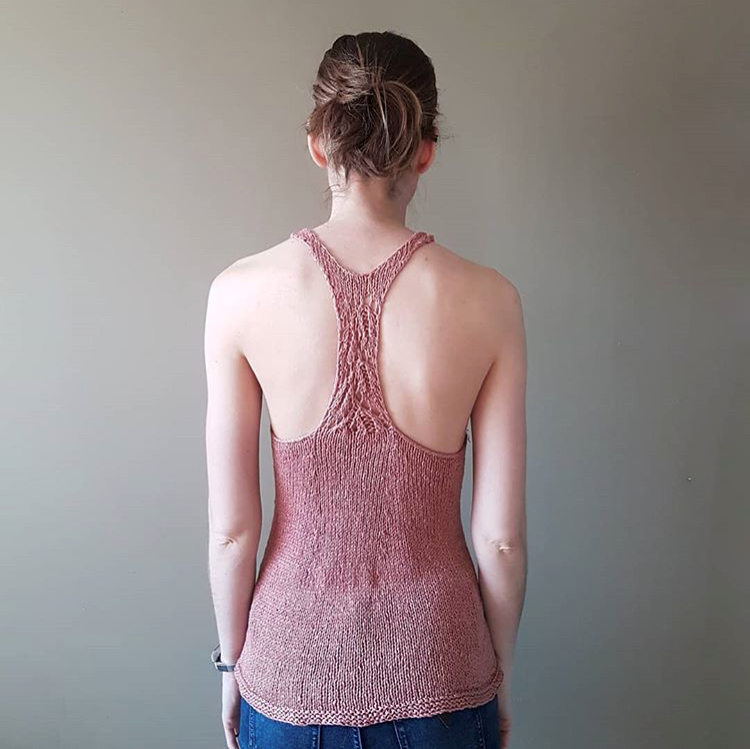
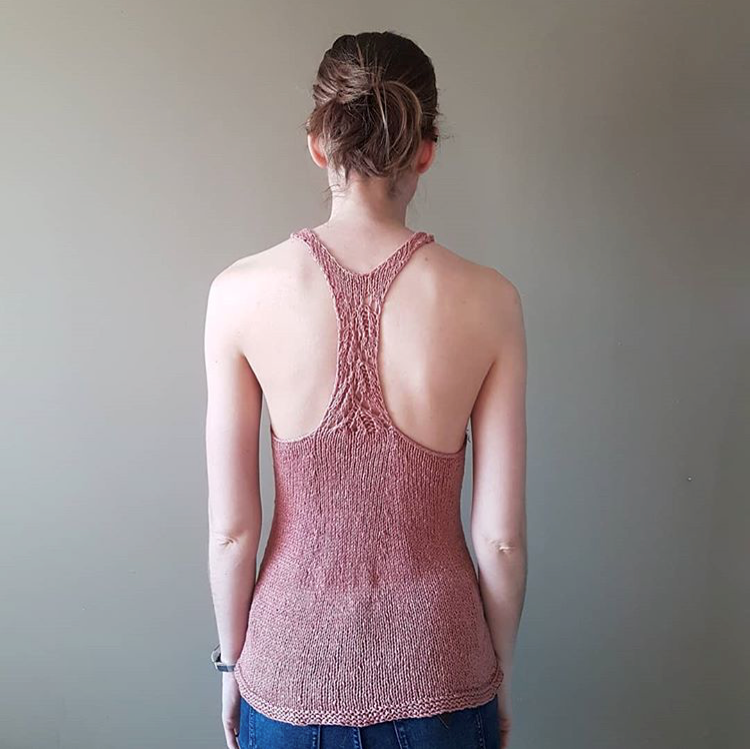
Bare those sun-worshipping shoulders in Ripley, designed by Leah B. Thibault. This racer-back tank is knitted in the round from the bottom up in Kestrel linen, shaped with side and back darts, and embellished with a beautiful vine lace detail at the back. For those seeking a true summer knit, this beauty is for you.

FINISHED MEASUREMENTS:
30 (32, 34, 37¼, 40¼, 42¼, 45½, 47½)" [76 (81.5, 86.5, 94.5, 102, 107.5, 115.5, 120.5) cm] bust circumference; shown in size 32" [81.5 cm] with 2" [5 cm] negative ease

YARN:
kestrel / cove 503 / 5 (5, 5, 6, 6, 7, 7, 8) skeins

NEEDLES:
32" circular in size US 10 [6 mm] / one spare circular in size US 10 [6 mm]

GAUGE:
15½ sts and 22 rnds = 4" [10 cm] in stockinette stitch, after blocking

SKILLS REQUIRED:
Knitted cast on, wrap-and-turn short rows, three-needle bind off (links provided). Chart and line-by-line instructions included.

Reed - PDF Pattern
$6.00

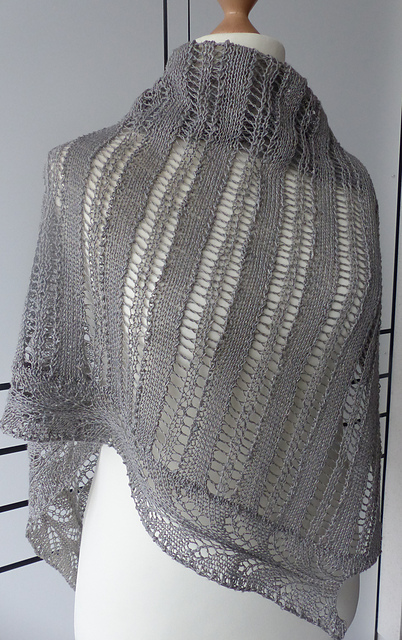
Inspired by freshly plowed fields and the plants that grow from them, the botanical lace section is worked first, with the body picked up along its side and decreased to form a triangle. Pattern includes both charted


Finished measurements
50" [127 cm] wingspan and 25" [63.5 cm] deep

Yarn
Sparrow by Quince & Co
(100% organic linen; 168yd [155m]/50g)
• 3 skeins Frond 252

Needles
• One 24" circular needle in size US 5 [3.75 mm]
Or size to obtain gauge

Notions
• Stitch markers
• Tapestry needle

Gauge
19 sts and 23 rows = 4" [10 cm] in ladder lace pattern, after wet blocking.

Summer Rain Shawl - PDF Pattern
$6.00

As a child, I dreamed of summer storms.

Growing up in northern California, my summers consisted of soaking my swimsuit in the sprinkler and rushing to the driveway to leave an ephemeral body print on the concrete; of running barefoot across the hot asphalt to my friend’s house and trying not to burn my feet; of the dark towels my mother put over the windows in the daytime to keep out the heat.

I wanted my summers to be cooler, wetter. I thought a summer storm would be the perfect antidote to the dry California heat, a backyard sprinkler writ large.

Having lived in Maine for a decade, the dozen or so summer storms take on a different role than I imagined as child, offering not an invitation to play, nor to hide, but to simply be still. After a stretch of hot sunny days, the plants in my garden welcome the rain. I follow their lead, raise my face to the heavens and drink it in.*

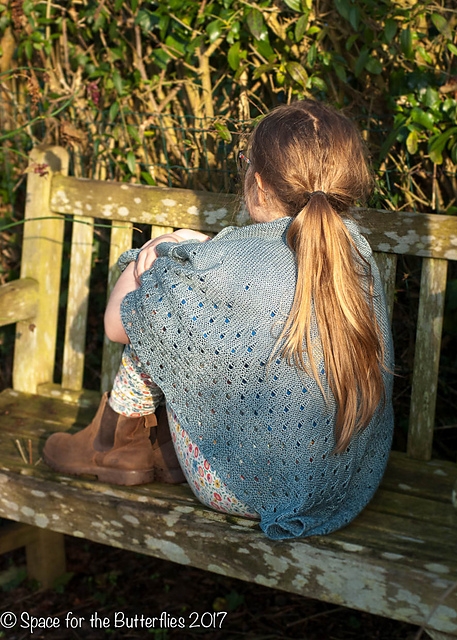
This shawl is knit flat from the bottom up. You will decrease 4 stitches every right-side row through raindrop pattern and every row thereafter.


FINISHED MEASUREMENTS
66" [168 cm] wingspan, 31" [79 cm] high
YARN
Milo by Manos del Uruguay (65% merino wool,
35% linen; 380 yards [350 m] / 100 grams)
2 skeins in Lisboa
NEEDLES
One 36" circular needle in size US 5 [3.75 mm]
GAUGE
24 stitches and 36 rows = 4" blocked
NOTIONS
Stitch markers
Tapestry needle

Atlee - PDF Pattern
$6.00

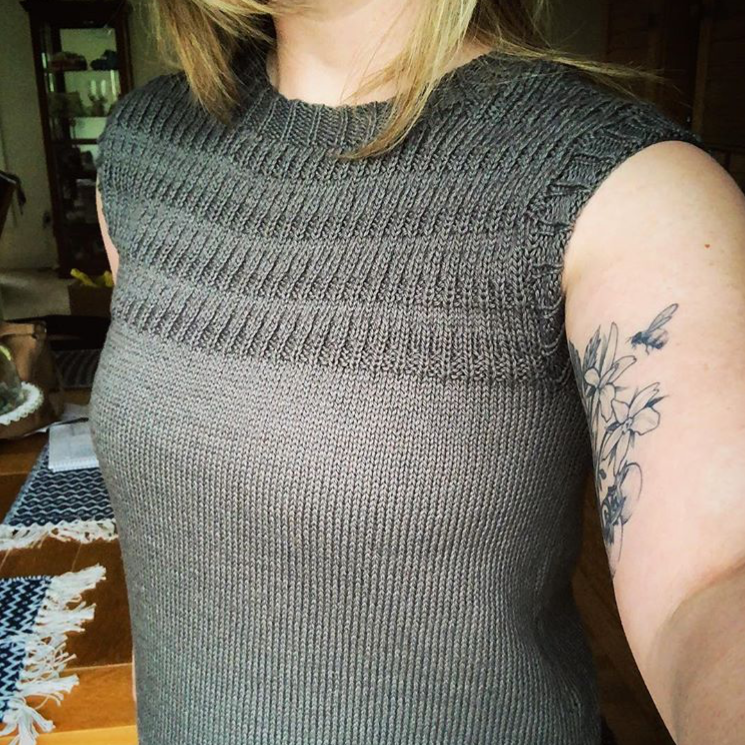
Summer begs for basics, and Atlee delivers. In Cleaner Cotton™ Willet, with an a-line shape, scooped neckline and textural details in the yoke, Leah B. Thibault’s tee is a picture-perfect essential for easy days in the sun.

Shown in size 35” / 89 cm with 1” / 2.5 cm positive ease

  • Bust Circumference: 33 (35, 36¾, 39¾, 43¼, 45, 48, 50)" [84 (89, 93.5, 101, 110, 114.5, 122, 127) cm] bust circumference
  • Yarn: 5 (5, 6, 6, 7, 7, 7, 8) skeins of Willet by Quince & Co in Sail (701)(100% cleaner cotton; 160yd [146m]/50g)
  • Needles:

32” circ in size US 5 / 3.75 mm 
16” circ in size US 4 / 3.5 mm 
set dpns in size US 4 / 3.5 mm

  • Gauge: 25 sts and 33 rows = 4”/10 cm in St st on larger needles 

Learn more about Atlee in the Chronicles

View it on Ravelry

Photos © Pam Allen

Dal - PDF Pattern
$7.00

I love textured stitches in Lark, and chunky cables on top of texture just pop! Knit and purl stiches combine for a cushy body, while a stockinette sleeve keeps this cozy raglan from being too busy.


Finished measurements
30¾ (34¼, 37½, 41, 44¼, 47¾, 51, 54¼)"
[78 (87, 95.5, 104, 112.5, 121.5, 129.5, 138) cm] bust circumference; shown in size 34¼" [87 cm] on a 31" [79 cm], 5' 7" [170 cm] tall model (3¼" [8.5 cm] positive ease)
Yarn
Lark by Quince & Co
(100% American wool; 134yd [123m]/50g)
• 10 (11, 11, 12, 13, 14, 16, 17) skeins Carrie's Yellow 125
Needles
• One 32" circular needle (circ) in size US 8 [5 mm]
• One 16" circ in size US 6 [4 mm]
• One set double-pointed needles (dpns) in size
US 8 [5 mm]
• One set dpns in size US 6 [4 mm]
Or size to obtain gauge
Notions
• Stitch markers
• Cable needle
• Waste yarn
• Tapestry needle
Gauge
22 sts and 32 rnds = 4" [10 cm] in stockinette stitch with larger needles, after blocking
19 sts and 32 rnds = 4" [10 cm] in basketweave pattern with larger needles, after blocking.


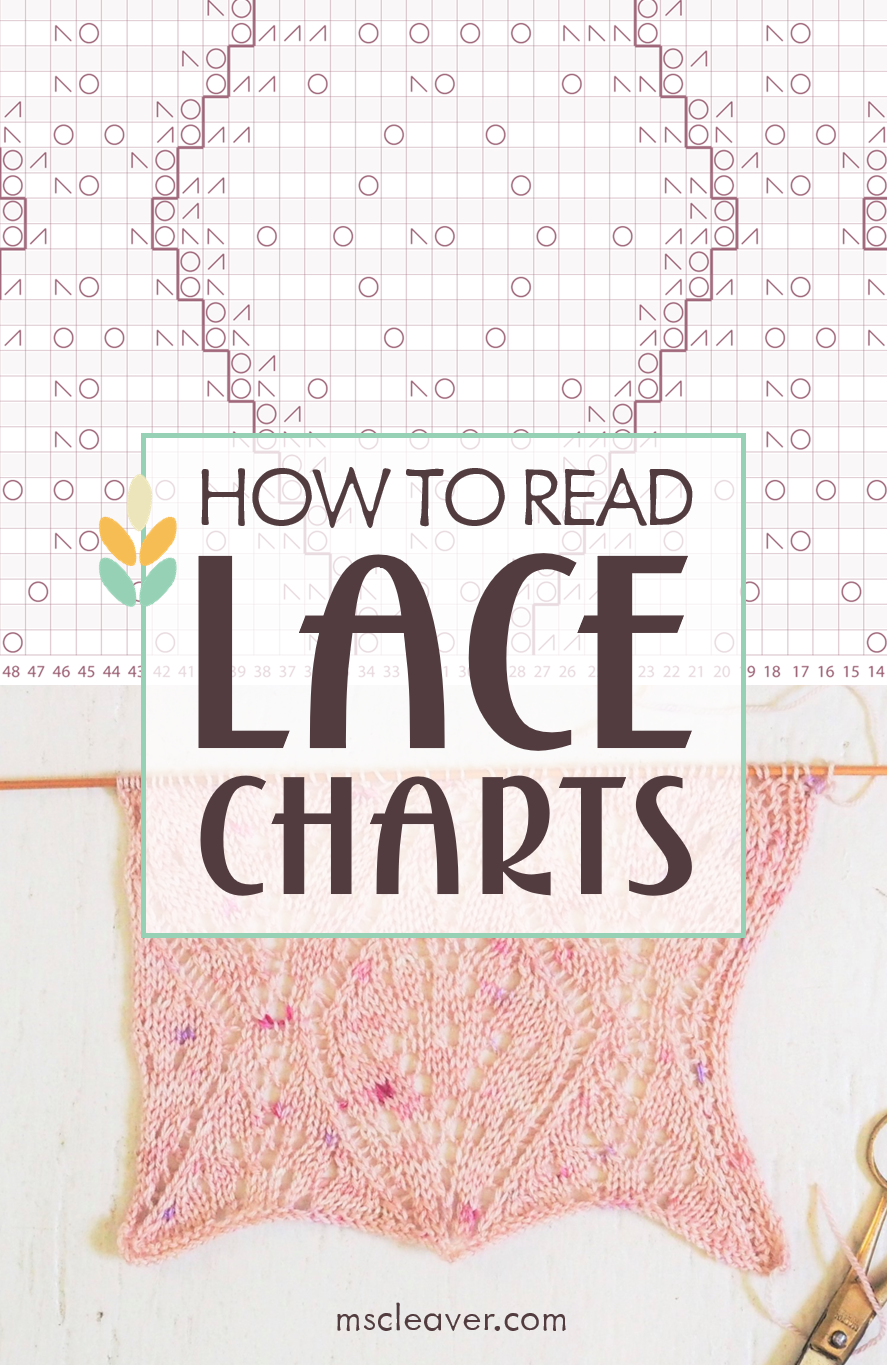
Reading Lace Charts: A Tutorial

HowToReadLaceCharts.png

When a non-knitting colleague or friend sees me knitting with an open pattern in front of me, they’ll often take a quick glance and ask if I’m a) taking a multiple choice test or b) cracking a code. 

I always get a good laugh because, in some ways, they’re absolutely right! If I’m knitting up a multi-sized pattern, and I’ve circled or highlighted the stitch counts for my size, that’s pretty much multiple choice and if you’re never come across the language and abbreviations for knitting before, it might as well be a foreign language. 

The same goes for knitting charts - they are little boxes of code - but once you’ve cracked it (and have a few tricks up your sleeve) they’re a great tool!

Today, I’m going to walk you through reading a lace chart for soup to nuts. And all you need to do is ask yourself three simple questions.


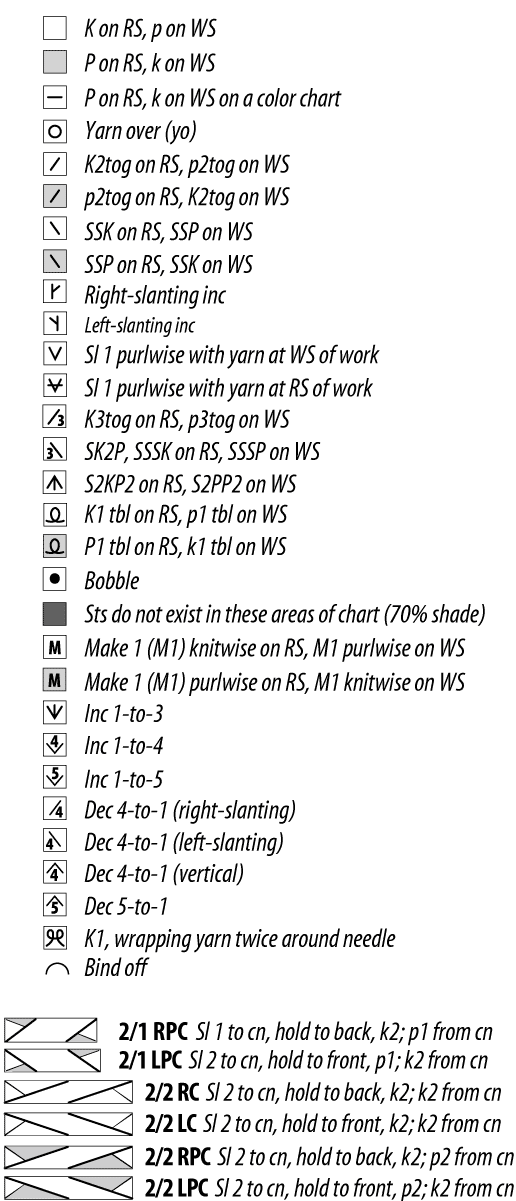
Bracteole Chart  KEY for tutorial-02.png

THE KEY

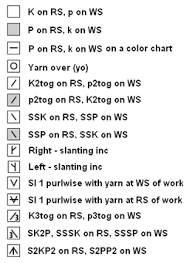
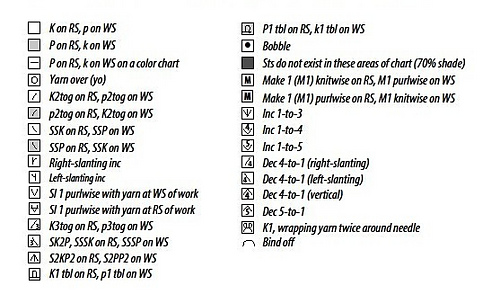
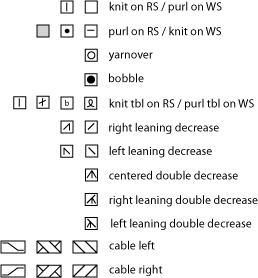
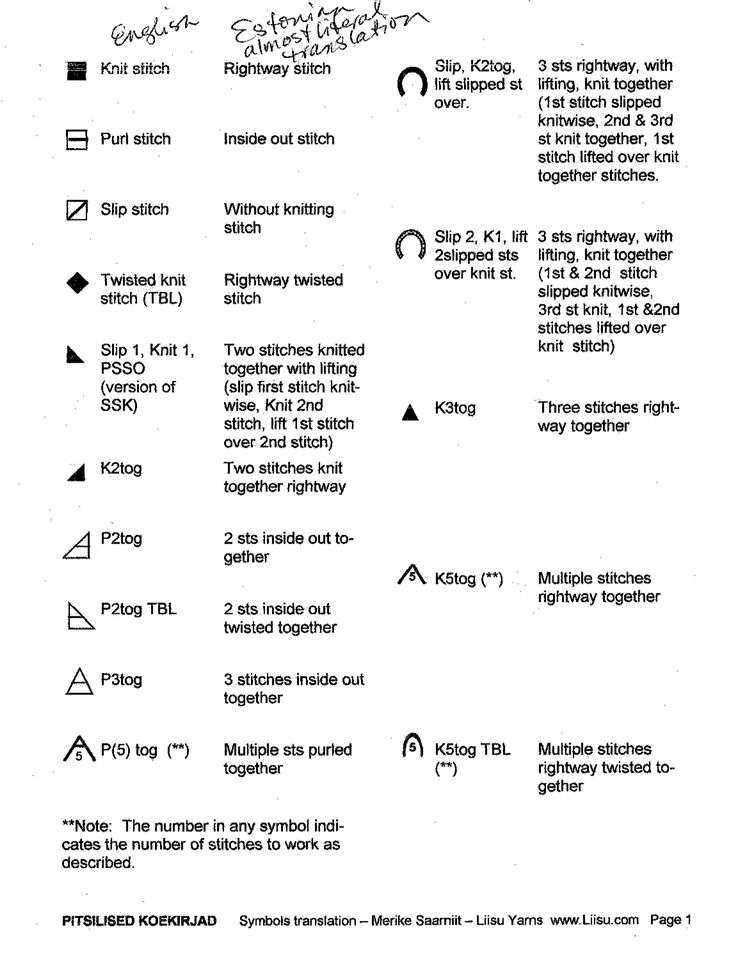
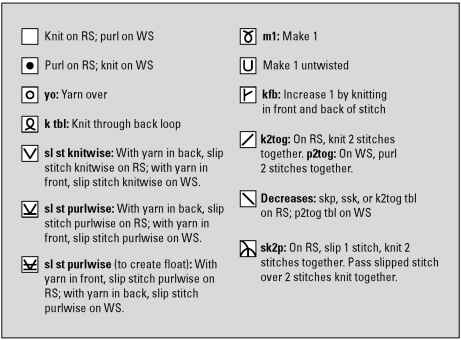
A lace chart comes with two pieces: the Chart and the Key. The Chart shows you the stitch pattern and the Key shows you what all those little symbols mean. 

Before you do anything, look at the Key. Some knitting symbols are fairly standard (a blank box is a knit stitch, a dot or a dash is a purl, a circle is a yarn over), but how different increases and decreases are displayed can vary by designer and publisher. 

Generally, increases and decreases are going to lean in the direction that the knitting will eventually lean, so something more or less looking like this: 

\

can be any kind of left leaning decrease. Slip, slip, knit is a common one; but it could also be slip 1, knit 1, pass the slipped st over; or k2tog through the back loop. 

The designer will have made a choice in designing - so check the key and ask yourself our first question. 

Question #1: What do these symbols mean for this pattern? 

There’s a reason the designer chose that particular decrease - it could be that it plays to the design best, or it could simply be their personal knitting preference. If the design calls for a SSK but you prefer k2tog tbl - feel free to switch it up! It might result in a slightly different look, but it’s your knitting. 

(Is the Key missing? It totally happens sometimes in the process of getting something to print. Your best bet is to email the designer/publisher or you can see if there is a written out version of the chart and extrapolate from there).


Bracteole Chart for tutorial-01.png

THE CHART 

Now that you know what all the little symbols mean, you can start to read the chart. But before you get into the nitty-gritty (knitty-gritty?) of individual stitches, it’s best to look at some big-picture items first.

ORDER 

First, unlike text, you read a lace chart in the direction you knit. That is, right to left, bottom to top (see red arrows above). The stitches and rows should be numbered in this direction to guide you. 

ROWS/ROUNDS

A lot of lace patterns are designed so you don’t have deal with any yarn overs or increases/decreases on the wrong side of your knitting - you focus on all the “tricky stuff” on the front, then mindlessly purl your way across back.

Even if a lace pattern in worked in the round, you often alternate between a lace round and a non-lace round. (Fun fact: patterns with yarn overs on every round are called openwork). 

But those “spacer rows/rounds” aren’t just nice from a mental break perspective, they make a big different in the way the lace looks - skip it and you’ll have a really squat-looking pattern. So they’re important to remember.

Knitting designers and publishers like to save space (especially magazines), so they often truncate charts to the most pertinent information. Which leads us to…

Question #2: Is this chart showing every row/round or every other row/round?

To tell, look at the numbers along the side the chart.

If it’s a chart for knitting flat, right side row numbers (usually odd numbers) are generally listed to the right hand side of the chart. Wrong side row numbers (usually even numbers) are generally listed to the left hand side of the chart. 

Ezekiel Saw Lace Charts_1-01.png

The chart above is for openwork, there’s yarn overs on both right and wrong sides. All rows are shown, because you need to know what’s happening on every row. 

But a lot of times, there’s nothing interesting happening on a wrong side row. So to save space, the chart will omit it. 

Scallop Lace Charts-03-03.png

On this chart, every wrong side row is purled, so the chart only shows the information on the right side. The numbers on the right read 1, 3, 5, etc, but instead of having a “spacer row” between them (as in the openwork above), they’re right next to each other. 

The same rules go for lace worked in the round. If all you’re doing on an even-numbered round is knitting, the chart probably won’t take up space to show you that.

Bracteole Chart WS highlighted-01-01.png

This chart is an example where every row/round is knitted, but there’s only lacework (i.e. yarn overs) done on the right side. So why bother with showing all the rows/rounds? 

Take a closer look at those wrong-side rows (in blue). The pattern combines purl bumps with the lace, so to carry that pattern, the bumps need to be worked on every row/round. 

REPEATS

The next big-picture thing to look at is repeats. If a shawl is 100+ stitches wide, showing all those stitches in impractical, and, honestly, not that helpful if the pattern repeats every 6 stitches. Repeats help break down the pattern into manageable chunks. So next you want to know: 

Question #3: How does this pattern repeat? 

Since they’re generally both horizontal and vertical, repeats are typically shown with a box that  outlines the repeat area. 

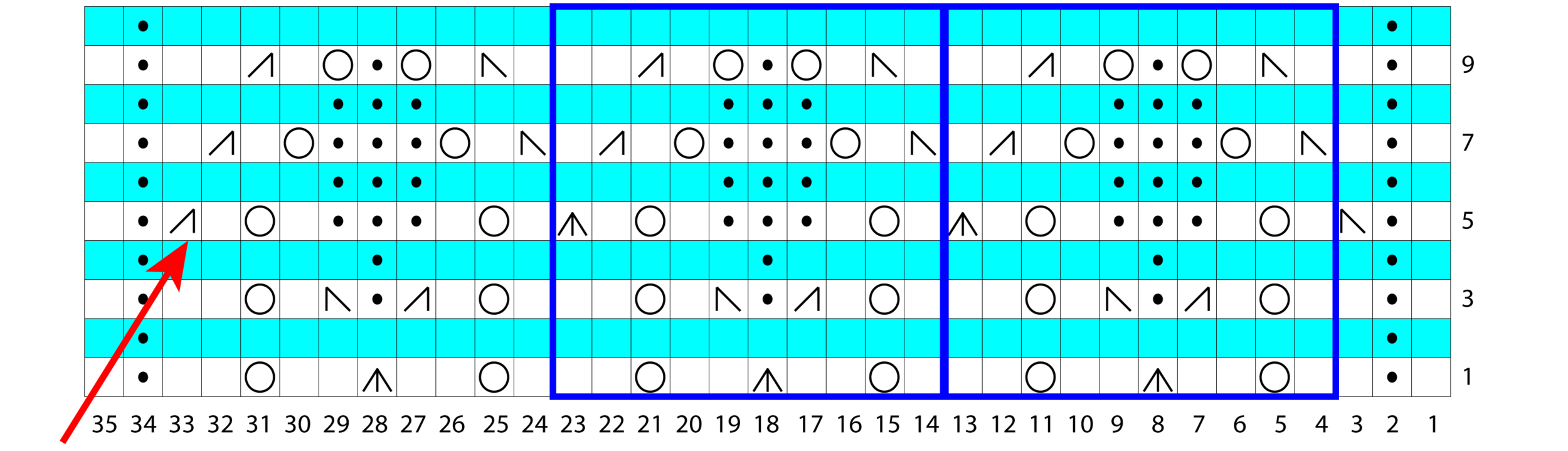
Bracteole Chart repeats-01-01.png

If we take another look at the chart above (which is designed for the top of the foot of a sock) - the full lace section (only 35 sts) is represented, but even with that there are repeats. Each repeat is 10 stitches wide and 9 rows high). But here’s where it can get tricky - you have a 10 stitch repeat over 35 stitches - there should be three full repeats, plus 5 extra stitches, right? 

Not always.  

Bracteole Chart repeat exception-01-01.png

If you look at the chart above, sts 24-33, they are almost exactly the same as sts 14-23 and 4-13. It acts like an additional repeat. But there's one important exception with stitch 33 on row 5. Instead of a double decrease, like the other repeats, it’s a single decrease. The other “half” of the double decrease is at stitch 3 on row 5. SO if you're marking out a repeat (on your page or in your mind) make sure it's a true repeat. 

Now, assuming that the item this chart is for something taller than 10 rows/rounds high. When you get to row/round 11, just start back at row/round 1.  

Summer Rain Lace Charts_1 repeats-01.png

Here’s another chart (for a shawl), which shows only a portion of the lace section. Section A1 is worked across about 439 stitches, B1 across 411 stitches, and C1 across 387 stitches. But the charts for each section look about the same width.

This is possible because each section uses a 6 stitch wide/12 row high repeat. The stitches on the left and right of the repeat box are just to get to to that repeating section.

For example, to knit chart A1, row 1: you’d knit the first 11 sts to the right of the repeat box as charted (SSK, k4, yo, k2tog, k4) and then you’d repeat the section within the box as many times as you needed until you were 6 stitches from the end of the row (or marker, whatever the design dictates) and then you’d finish up with the last 6 stitches of the chart (yo, k2tog, k3, k2tog)

And that's basically how most lace charts work!


TIPS AND TRICKS

KEEPING YOUR PLACE

With a large lace (or colorwork) chart - the trickiest part is keeping your place. There are a lot of tools available to help.

You can purchase some pre-made items like magnetic boards or copy holders.

OR

You could also be a little more DIY and use highlighter tape, washi tape, post its notes (my go-to) or a ruler. Basically anything that’s straight, long enough and easy to move (but won’t slip when you’re in the middle of a row!) 

If you are using something opaque (like a post-it), arrange it so the bottom of the marker is ABOVE the row you’re working on, so you can still see the rows you’ve already worked. That way you can continually check to see if everything is lining up appropriately.

LIFELINES

If you want some extra security when working lace, you can always put in a “lifeline.” To insert a lifeline, thread up a darning needle with some high-contrast colored yarn and slip it through the live stitches on your knitting needle, as if to put them on a holder. 

But instead of removing the stitches from your knitting needle, remove the darning needle and leave the “line” in and continue knitting normally. If you make a mistake you can’t easily fix, rip out back to the lifeline which will nicely hold your stitches for your while you put them back on the knitting needle. Only insert a lifeline into a row you’re confident is correct, and if you’re going to use them, I’d recommend inserting it after every repeat or more often if the rows are really long. 


RECAP

To read a lace chart go right to left and top to bottom. Before knitting, ask yourself the following three questions:

Question #1: What do these symbols mean for this pattern? 

Question #2: Is this chart showing every row/round or every other row/round?

Question #3: How does this pattern repeat?

With those answered, you should be ready to tackle some charted lace! 


GET KNITTING!

For some beginner-friendly lace patterns, check out the following designs:

West Branch Cowl - PDF Pattern
$6.00

Designed to show off a special skein of handspun or hand-dyed yarn, this simple, but gracefully cozy cowl is the perfect knit for those looking to learn lace or who just want to use a special skein. A few big buttons add an extra fun with minimal effort.

Size

  • 9”/23 cm deep, 32 1/2”/82.5 cm long, unbuttoned.

Yarn

  • Pink: One Lupine’s West Branch in Berry (60% Merino Wool, 40% silk; 212yd [194 m]/4.0 oz)
  • White: Handspun from Highland Handmades roving in Storm Chaser (100% Falkland wool; 195 yds [178 m]/4.0 oz)
  • Alternatives: approximately 200 yds [183 m] of heavy worsted to light aran-weight yarn

Gauge:

  • 17 sts and 25 rows = 4”/10 cm in Lace Pattern.
  • 17 sts and 26 rows = 4”/10 cm in Stockinette St.
  • Adjust needle size as needed to match gauge.

Needles and Notions

  • US 8 [5 mm] straight or circular needles
  • Tapestry needle
  • 4 – 1”/2.5 cm buttons
  • Sewing needle and matching thread

Learn more about the West Branch Cowl in the Chronicles

View it on Ravelry

Photos © Bristol Ivy/Ms. Cleaver Creations

The West Branch Cowl was designed to show off a special skein of handspun or hand-dyed yarn and is a great beginner lace project - the lace is only on the right side and has a short repeat. 

Ferrous Shawl - PDF Pattern
$6.00

An autumnal shawl inspired by brick pathways and wrought iron fences.

  • 52" wingspan, 23" depth
  • 441 yds of Fingering weight yarn, sample shown in Quince & Co. Finch in Kumlien’s Gull 152
  • 24-inch circular needle, US 6 - 4.0 mm
  • 18 stitches and 30 rows = 4 inches in pattern stitch

Learn more about the Ferrous Shawl in the Chronicles

View it on Ravelry

Photos © Carrie Bostick Hoge

The Ferrous Shawl uses simple motifs that are easy to memorize and was designed for the complete beginner to lace shawl knitting in the traditional triangle shape.

Maian – PDF Pattern
$6.00

Just south of the Texan fields where the goats and sheep that supply Piper’s fibers graze, once flourished several rich Mesoamerican cultures. One of the best-known imprints these civilizations left behind were the stairstep temples made famous by the Mayans and Aztecs. A distinctive shape that lends itself well to knitted shawl construction.

The shawl is worked from the tip up, with a 5 stitch-wide garter stitch border. Increases are done via yarnovers at the start and end of each RS lace row, as well as with backward loop cast on sts in the garter stitch between lace sections.

Skills required : knitted cast on, backward loop cast on, increasing, decreasing, binding off.

Charts and line-by-line instructions included.

  • 52 “ wingspan, 25” depth
  • 610 yds of Fingering weight yarn, sample shown in Quince & Co. Piper in Avocet 610
  • 32-inch circular needle, US 6 - 4.0 mm
  • 18 sts and 7 rows= 4 inches in chevron lace, after blocking

Learn more about Maian in the Chronicles

View it on Ravelry

Photos © Emma Sampson

The Maian shawl consists of two 4-stitch repeats and all the increases are done on the edge with a backward loop cast on, meaning you won’t get your lace yarn overs confused with your increase yarnovers.


Cresting Waves Shawl - PDF Pattern
$6.00

An oceanic-inspired lace pattern provides a dramatic border to a lightweight and iridescent crescent shawl shaped with short rows.

Sizes 
56” / 142 cm wide and 10.25 (12, 14.5)” / 26 (30.5, 37) cm deep; pictured in 10.25” / 26 cm depth

Yarn 
String Theory Caper Sock (80% Merino/10% cashmere/10% Nylon; 400 yds / 365 m per 4 oz skein) 
1 (1, 2) skein(s) in Beach Plum or approx 345 (385, 455) yds / 315 (352, 416) m of fingering weight yarn

Needles 
US 5/3.75 mm circular, 32” / 80 cm or longer
Or size to obtain gauge

Notions 
Stitch markers
Stitch holders or scrap yarn
Tapestry needle
Blocking pins and/or wires

Gauge 
20 sts and 32 rows to 4” / 10 cm in stockinette, after wet blocking

The lace border on the Cresting Waves Shawl is only 21 stitches wide and is knit separately from the body of the shawl, so if you make a mistake, you only have to tear back a few stitches (instead of the whole body of the shawl) to fix it.

Want a little challenge?

Alaria - PDF Pattern
$6.00

A traditional triangle shawl featuring a flowing series of lace patterns. Inspired by the undulating forms of seaweed and the summer chills that result from overly air-conditioned offices.

Shawl begins at the long edge and ends at the point. The lace patterns used only have the yo’s and dec’s on the RS rows and all the WS rows are purled. Pattern includes both charted and row by row instructions.

Shawl size can be increased by completing additional 24-row repeats of lace patterns #1 and/or #2. Any modifications may necessitate more yarn.

  • 52 “ wingspan, 25” depth
  • 430-500 yds of Fingering weight yarn, sample shown in Quince & Co. Tern in Seagrass 143
  • 24-inch circular needle, US 6 - 4.0 mm
  • 19 stitches and 36 rows = 4 inches in lace pattern #1 blocked open

Learn more about the Alaria Shawl in the Chronicles

View it on Ravelry.

Photos © Carrie Bostick Hoge

Alaria uses the same construction as Ferrous, but adds some more complex motifs.

Rambling Eden - PDF Pattern
$6.00

Wide and rambling lace edges a gently curving shawl or stands alone as a delicate scarf.

Size
Scarf: 8 1/2”/21.5 cm wide and 60 1/2" /153.5 cm long.
Shawl: Approximately 58 1/4”/148 cm wide along top edge and
19”/ 48 cm deep at widest point

Yarn + color(s)
Nabi Wool Studio’s 70% Superwash BFL/20% Silk/10%
Cashmere in Albertine. 437yd [400m]/ 100 g [3.53 oz]. 1 (2)
skein(s) for scarf (shawl).

Gauge
One rep of Shawl Border (57 sts and 36 rows)= 8”/20 cm wide; 5”/13 cm long
26 sts and 36 rows = 4”/10 cm in Stockinette St.
Adjust needles as needed to match gauges.

Needles & Notions
One US 4 [3.5 mm] 24-30” circulars
Tapestry needle
Stitch markers (optional)

Pattern Notes
Shawl is worked border first, with stitches picked up along flat edge and worked with short rows to shape body.

Rambling Eden uses the same construction as Cresting Waves, but with a really wide border and openwork lace.

Bracteole Sock - PDF Pattern
$6.00

Did you know that those little green leaves that surround a bud have a name? Bracts (or bracteoles for little ones) are specialized leaves whose primary purpose is something other than photosynthesis - in this case, protection of the newly formed buds. The beautifully protective bracts are the inspiration behind this budding lace pattern, and serve as a reminder that if you look close enough (in this case *really* close), inspiration is everywhere.


Size
8”/20.5 cm circumference. Sample shown is 10”/25.5 cm from toe to heel and 5”/12.5 from top of heel to top of cuff. To adjust circumference, adjust needle size/gauge.

Yarn + color(s)
1 set Red Sock Blue Sock Yarn Co. Sock Adventures in
Pistachio/Ava (80% Superwash Merino, 20% nylon; MC
420 yds; CC 90 yds)

Gauge
35 sts and 40 rnds= 4”/10 cm in Bract Lace and Stockinette St. Adjust needles as needed to match gauge.

Needles & Notions
US 2 [2.5mm] dpns or circular needle. NB: US 2 needles vary in size from 2.5 to 2.75 mm, double check your needle size before beginning.
Tapestry needle
Stitch marker

Pattern Notes
Sock is knit from the toe-up with a gusset and eye of partridge heel. Ribbing under the arch makes for a snug fit. CC is striped subtly throughout the lace pattern, and is easiest if carried up the inside of the foot between stripes. Sample used all of CC, so if a longer cuff or larger sock is desired, omit striping. Notes regarding length are given throughout pattern. To change width of sock, adjust stitch gauge by changing needle size up or down.

Bracteole takes lace into the round and adds some purls into the mix. (And it’s the main chart we’ve been looking at throughout this tutorial!!)


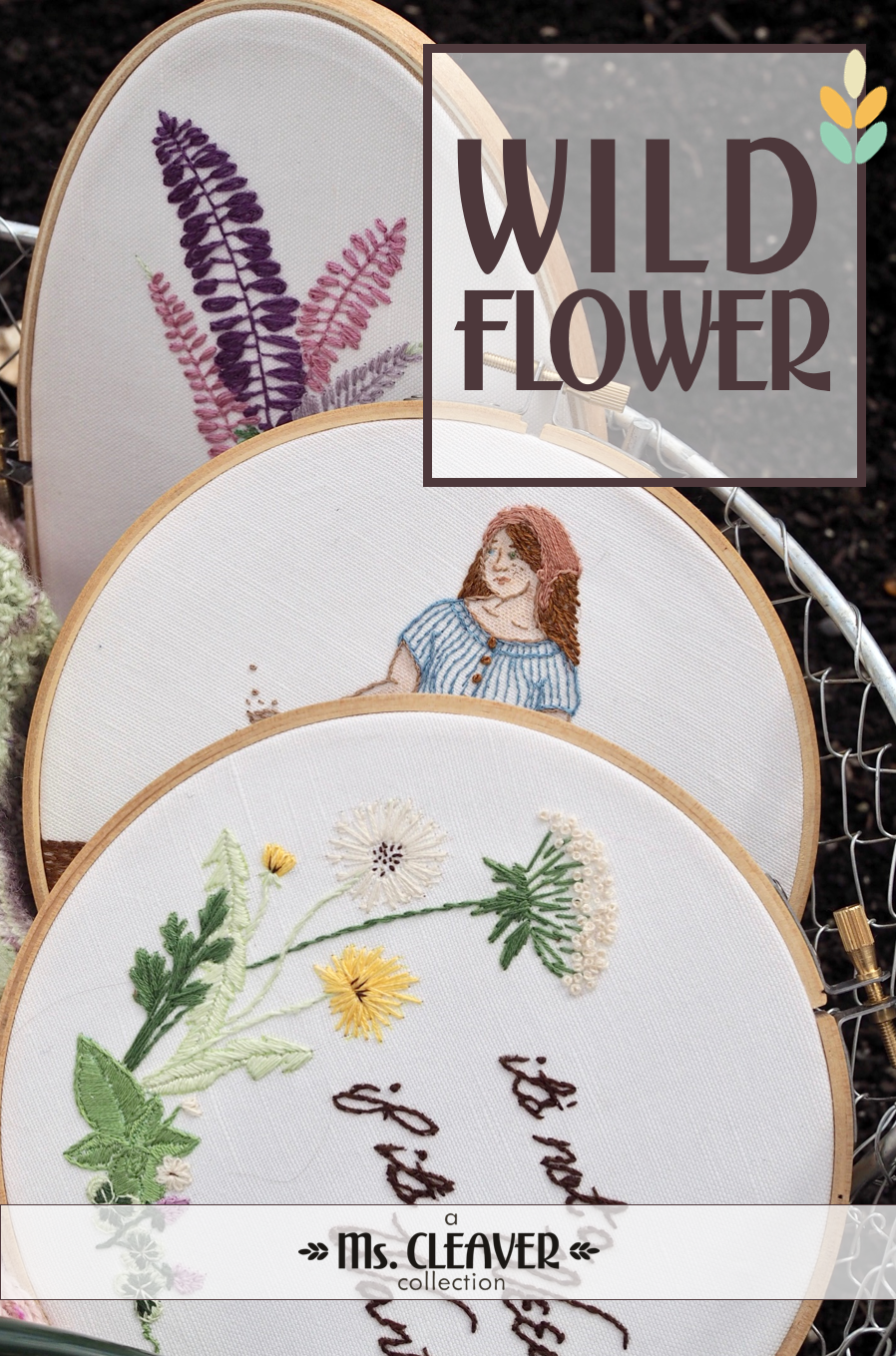
Introducing WILDFLOWER

WILDFLOWER  A Ms Cleaver Collection

I'm pleased to announce the launch of my Spring 2018 collection: WILDFLOWER

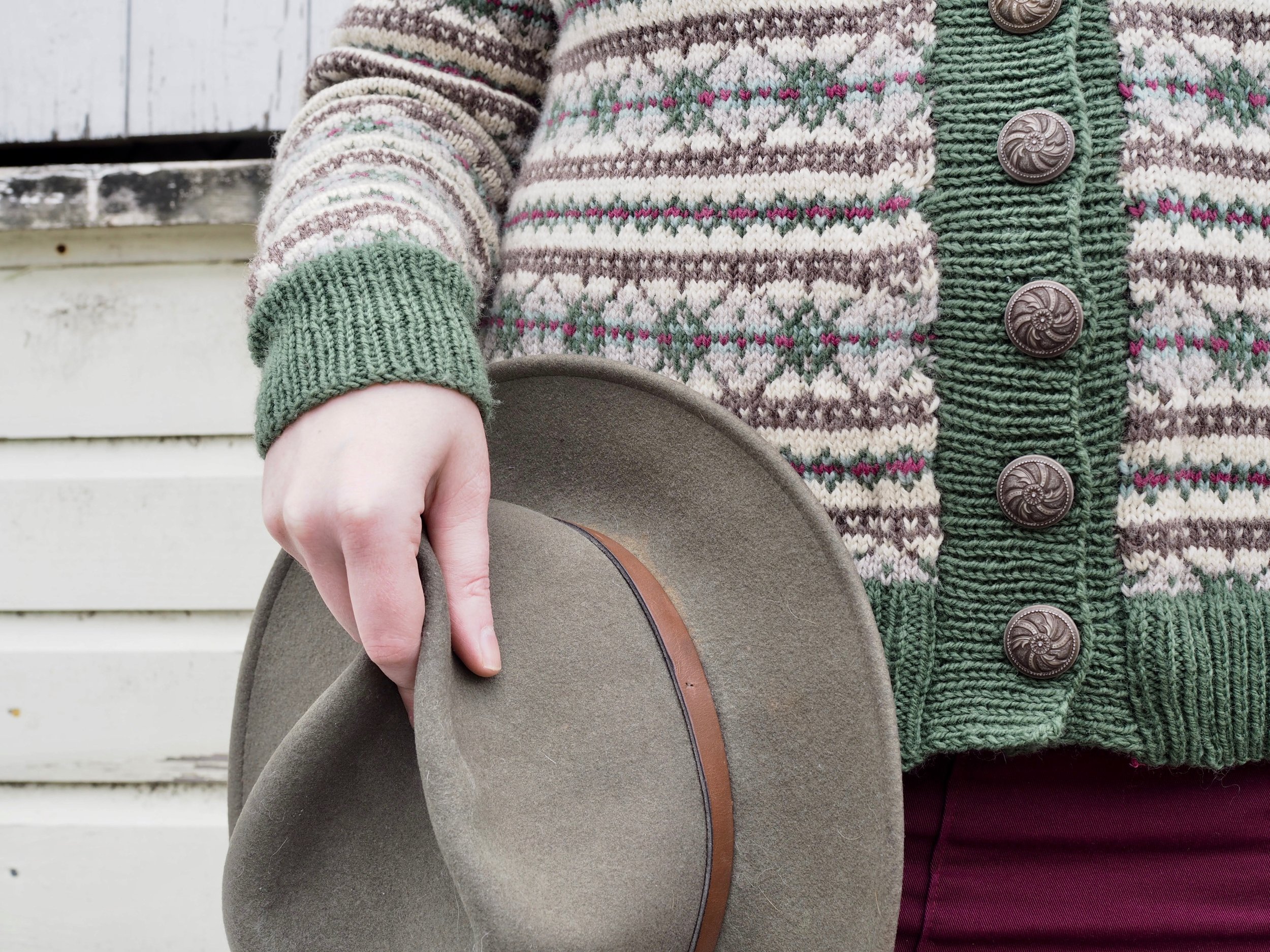
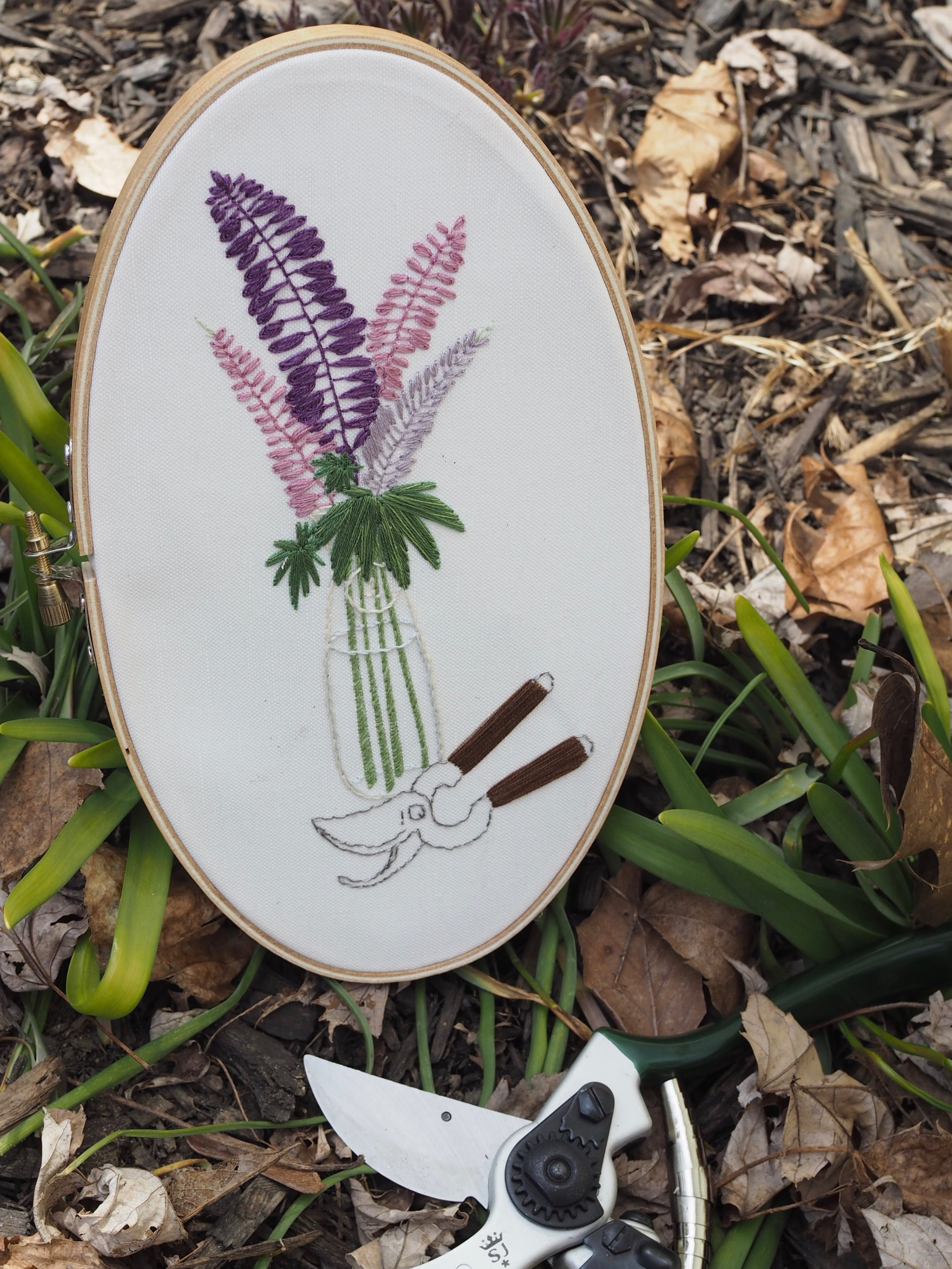
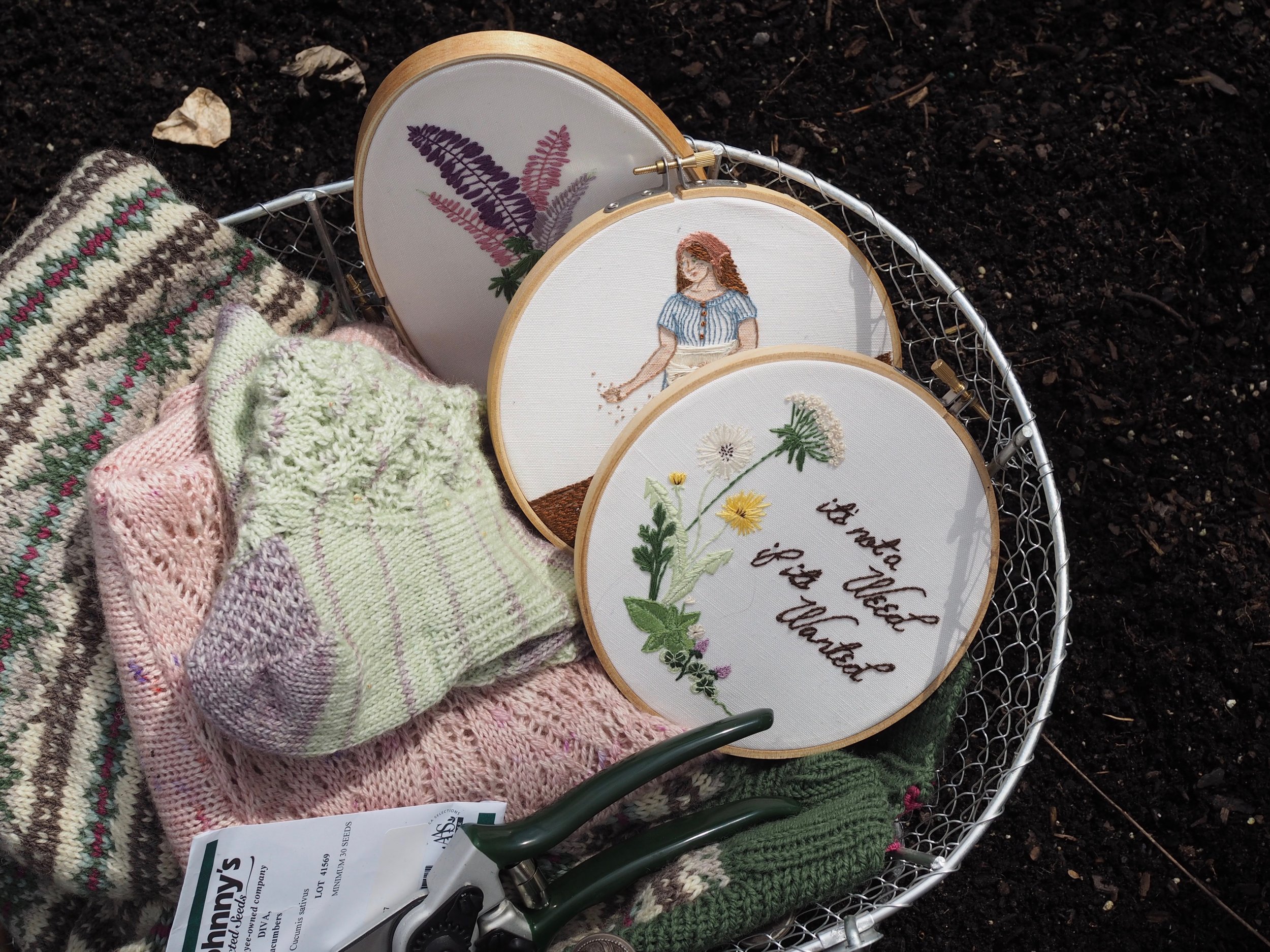
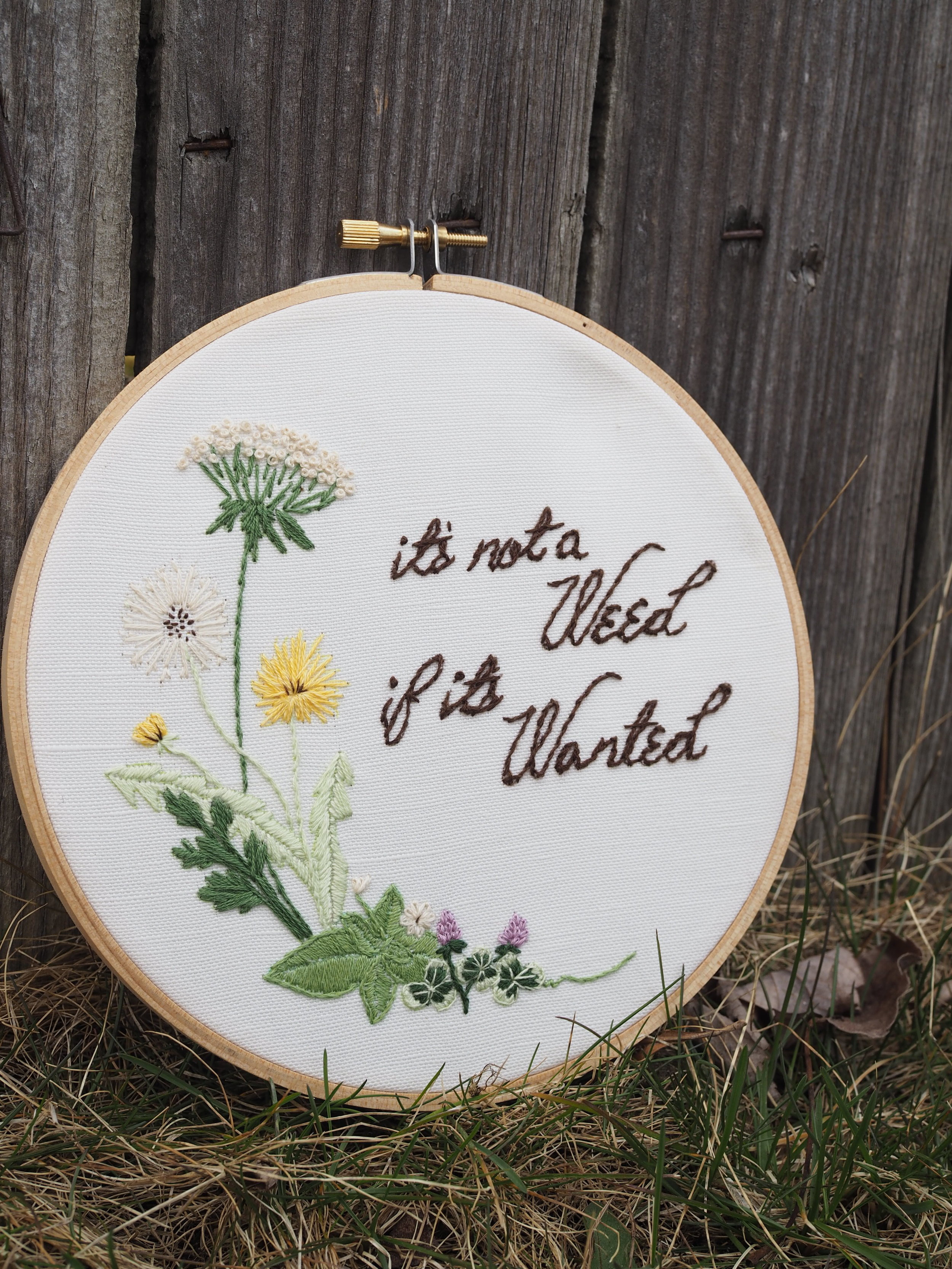
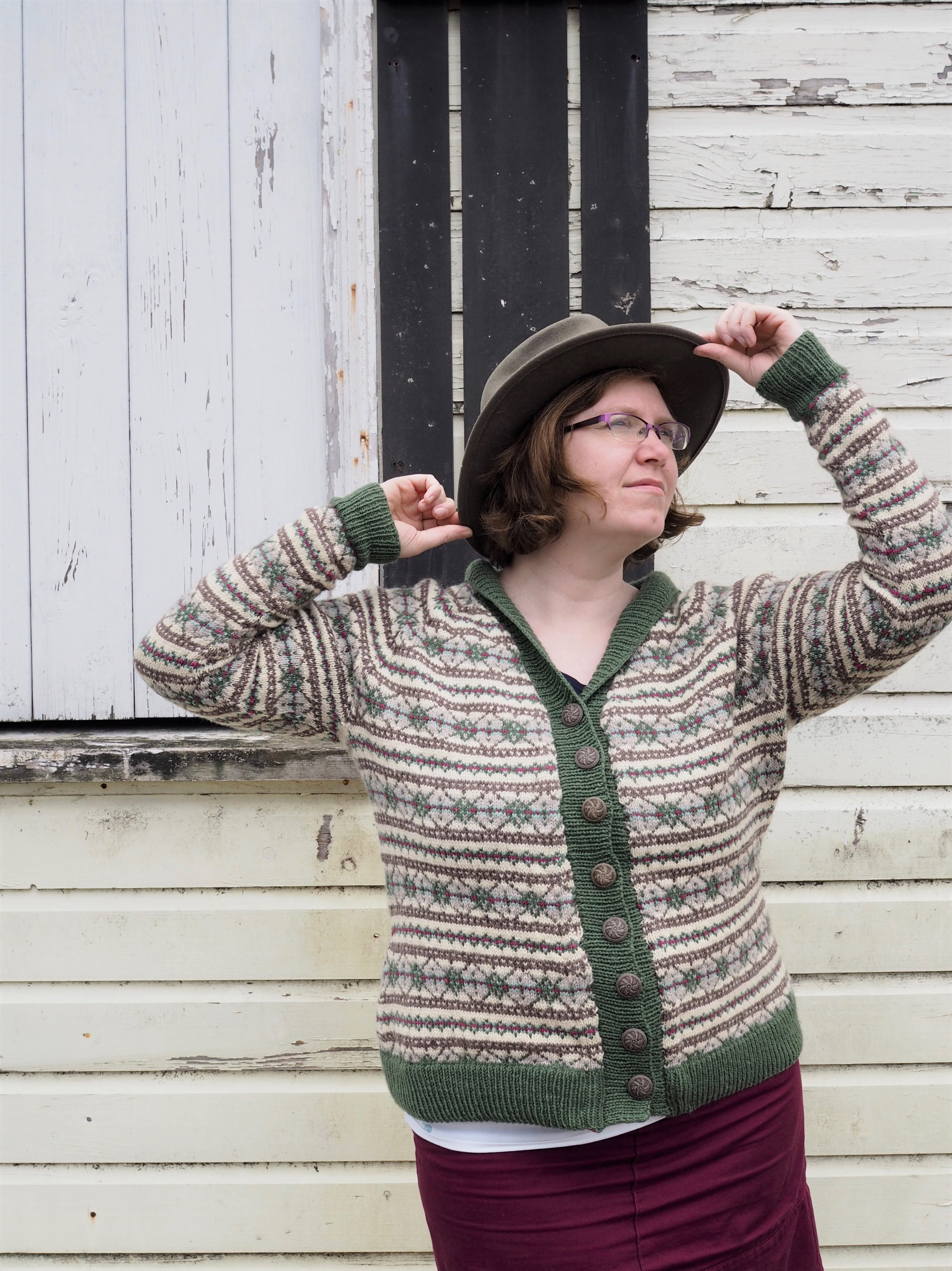
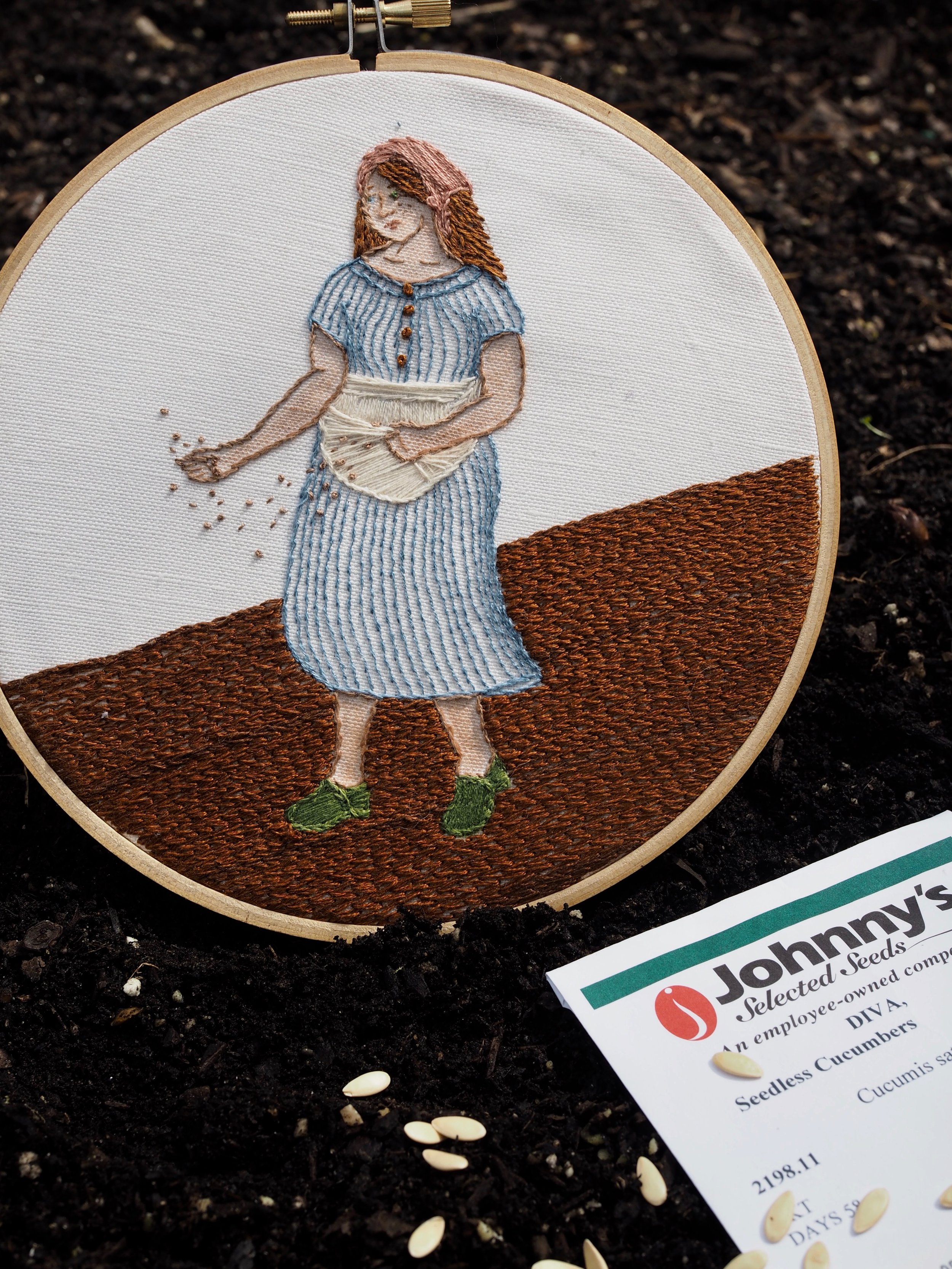
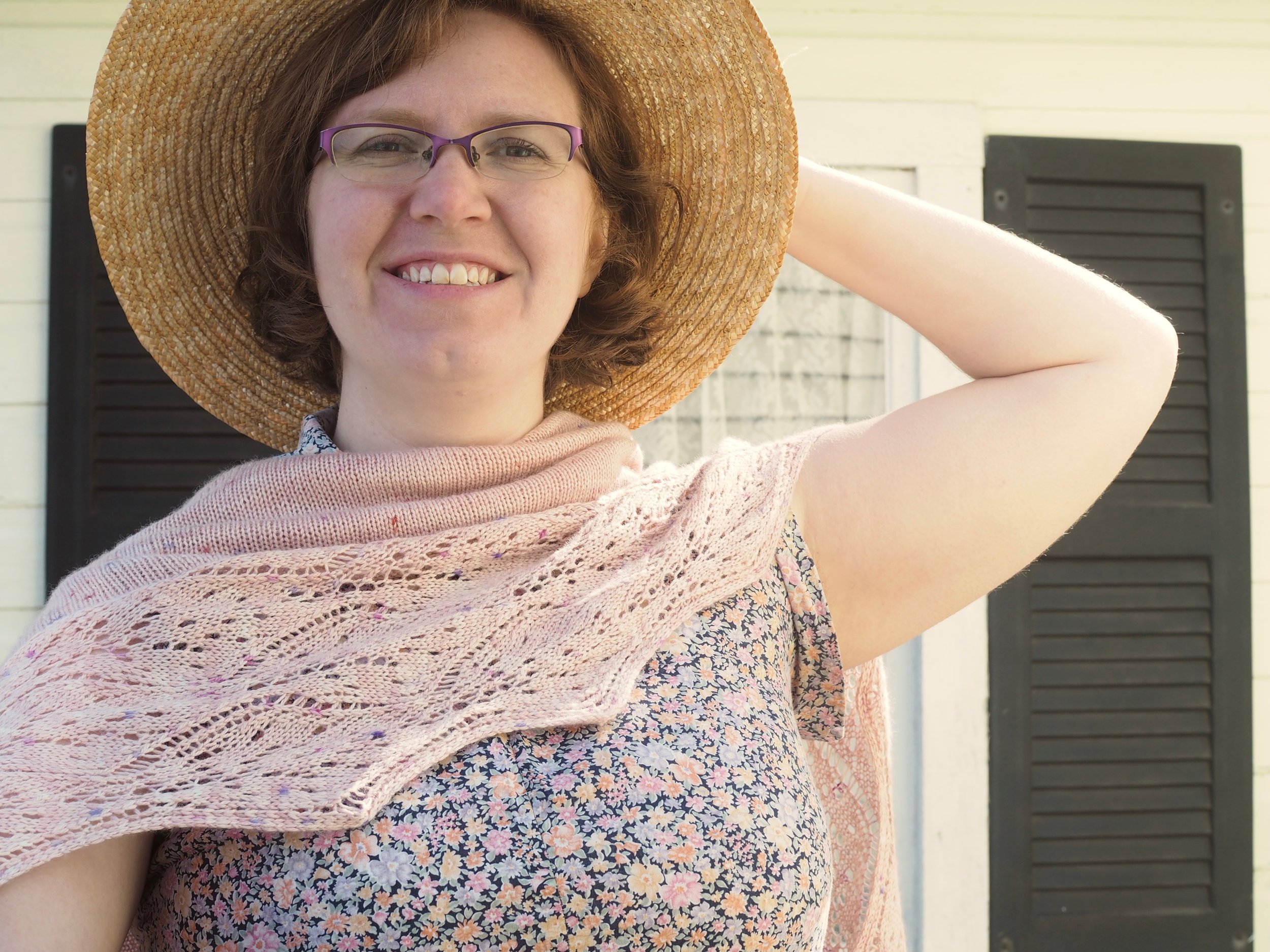
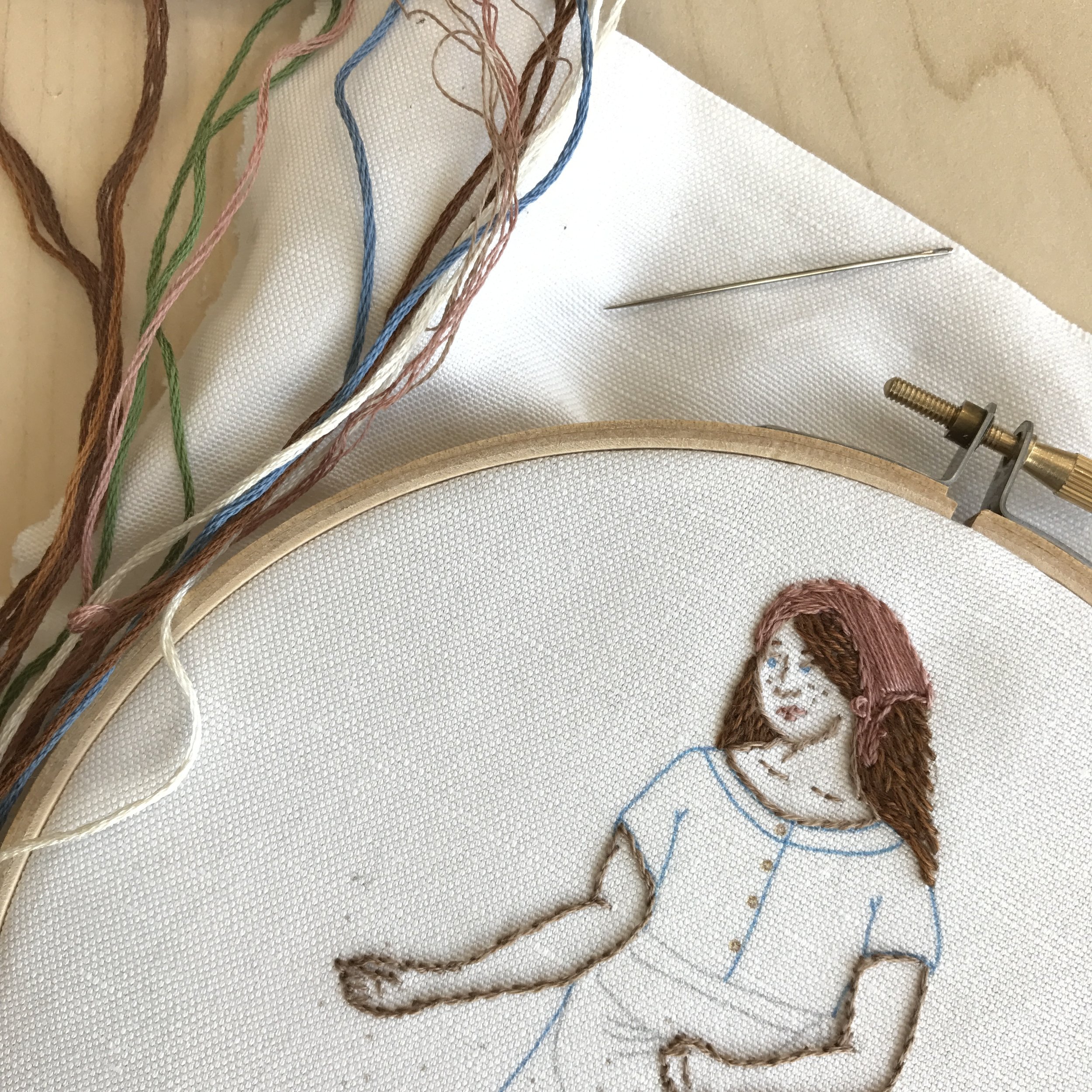
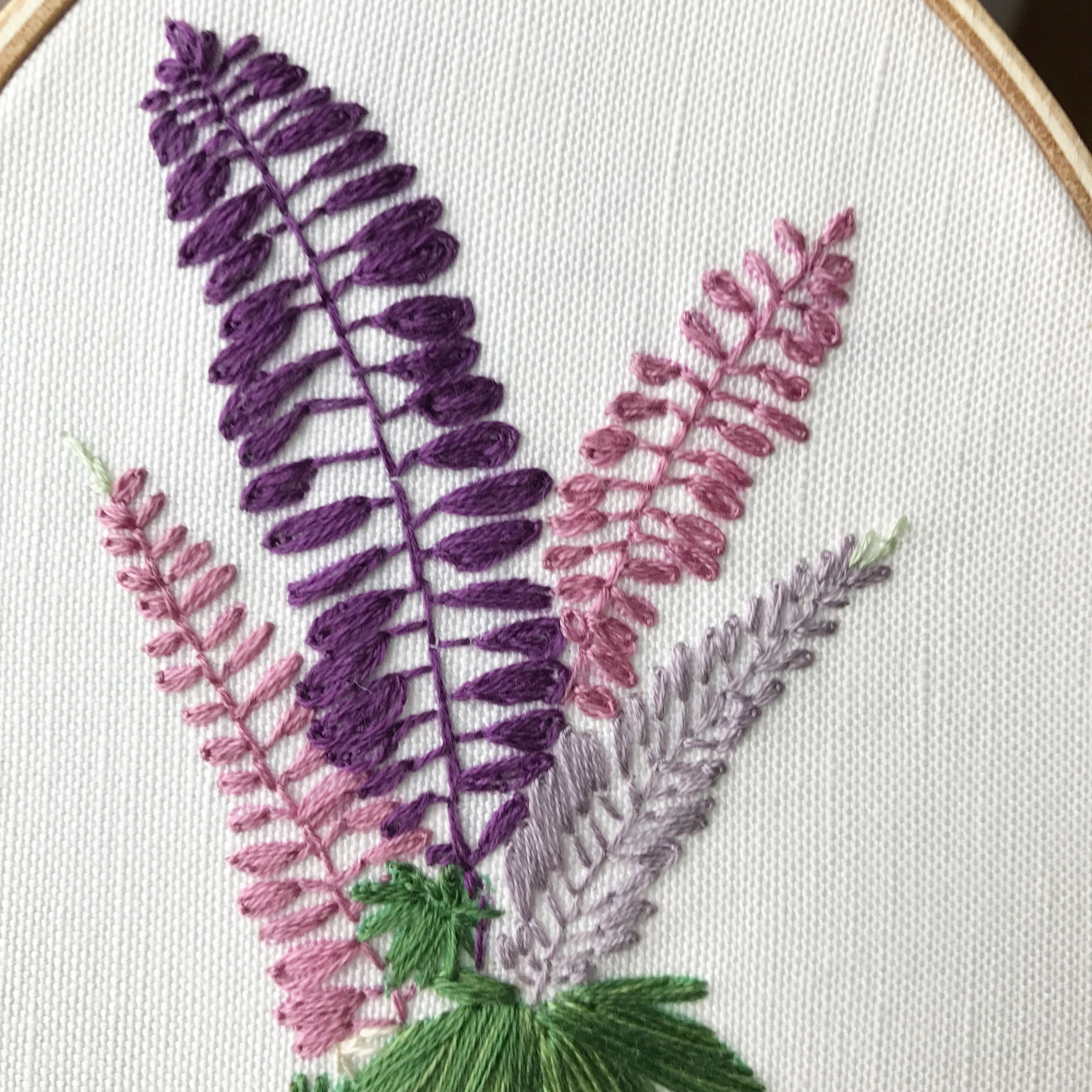
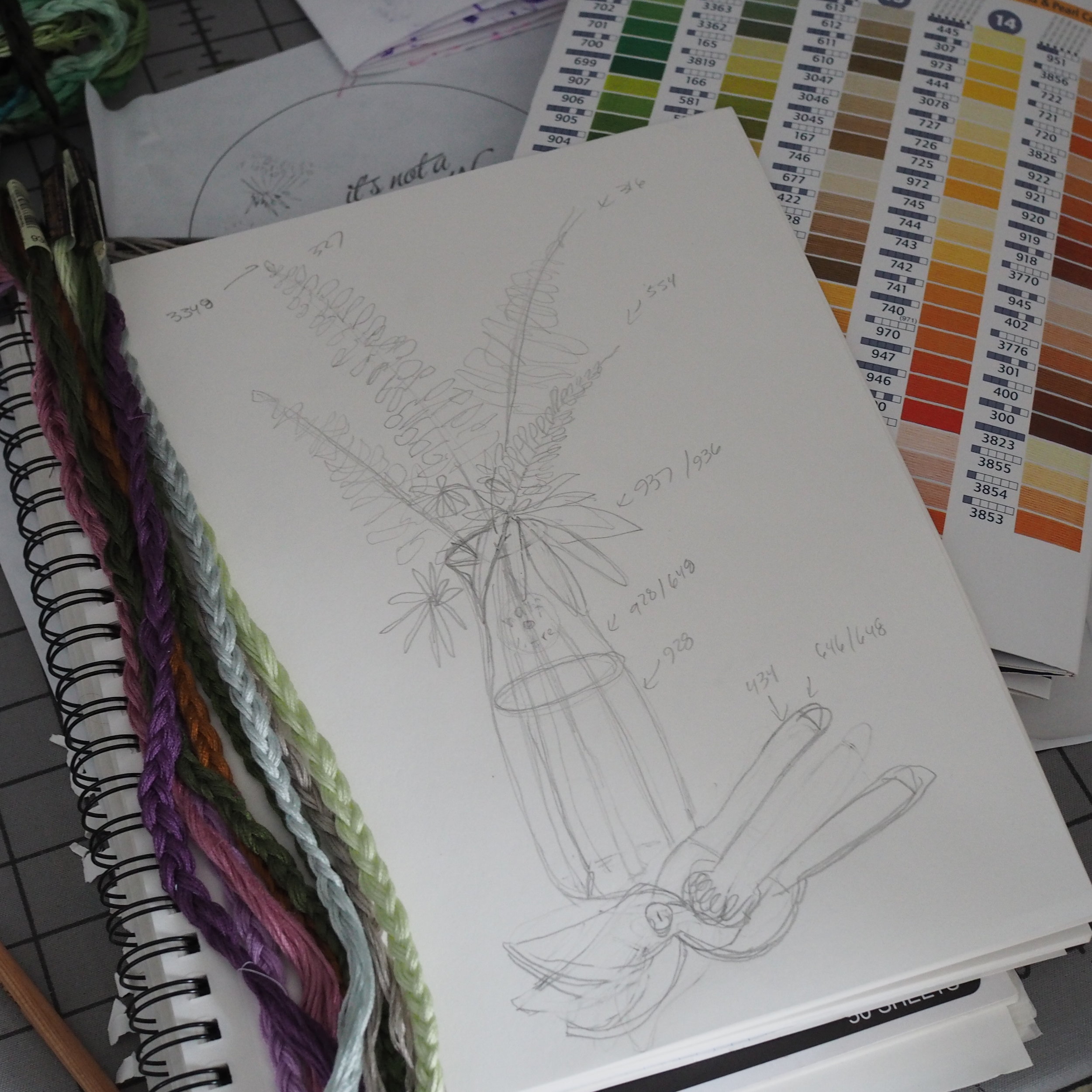
Consisting of three new embroidery designs and three new knit designs, WILDFLOWER is a floral inspired walk through the season: a cozy cardigan for those early days of spring when the wind still bites, socks and shawls for warmer days, and embroidery designs that go from seed to vase. 

Projects range from beginner-friendly to the more complex. Over the next few weeks, I'll also be sharing some tutorials to provide extra support for these designs, from coloring your embroidery, to colorwork tips, and to reading a lace chart. 

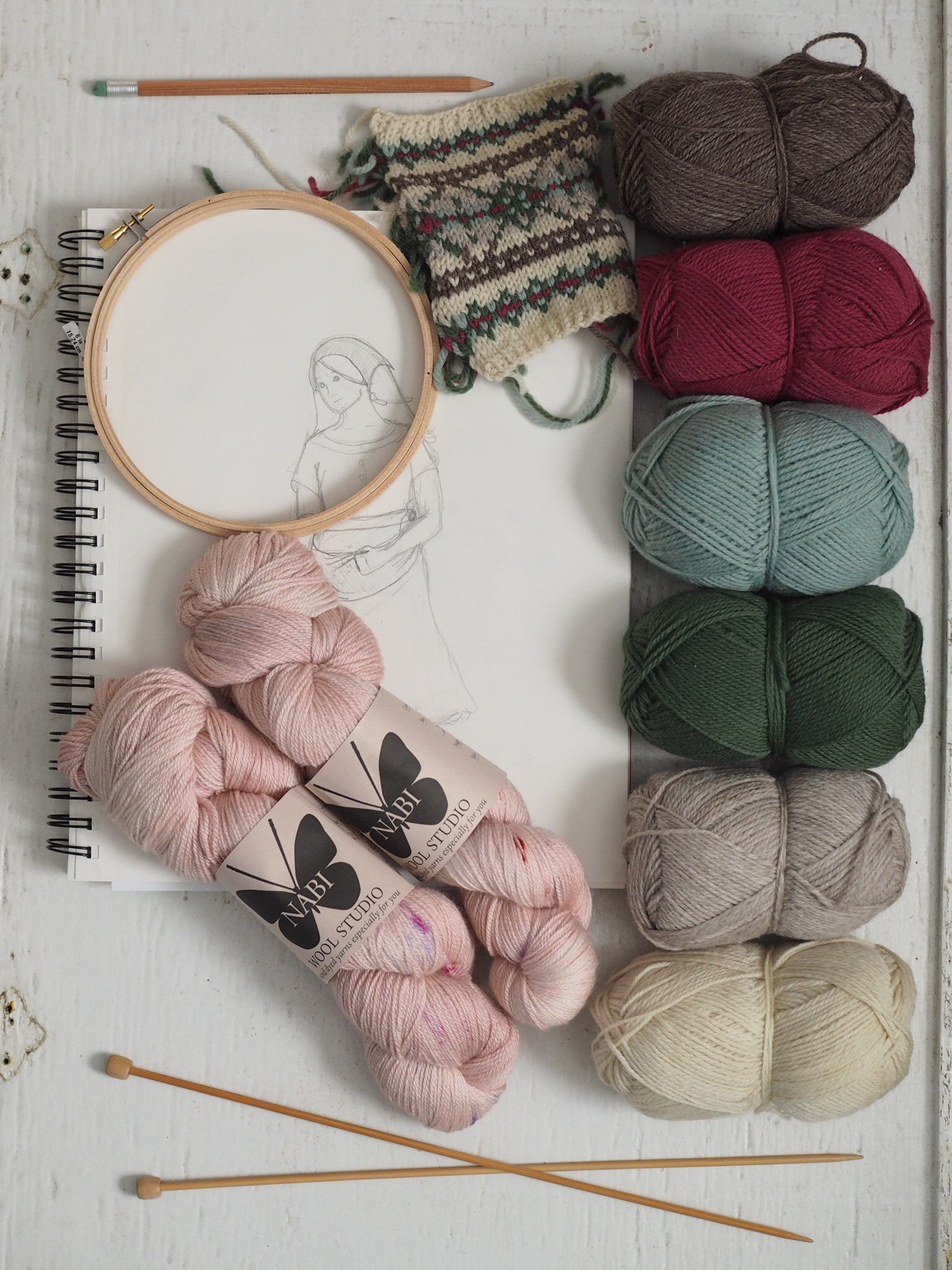
Each pattern in WILDFLOWER can be purchased individually, or as part of a complete kit featuring high-quality materials. As a special bonus for this collection, I've partnered with Nabi Wool Studio in Switzerland and Red Sock Blue Sock Yarn Co. in Canada to bring you hand-dyed yarn kits for the Rambling Eden Shawl and Bracteole Socks. Interested in a Cormous Cardigan Kit? Pre-orders are open now through the end of the month.

The knitting patterns can be purchased as an e-book for $16.00 USD or individually ($6-$8 USD). Likewise, the embroidery designs can be purchased as a set for 20% off the individual price.  

Flip through the lookbook below, or check out the shop


Introducing Reed

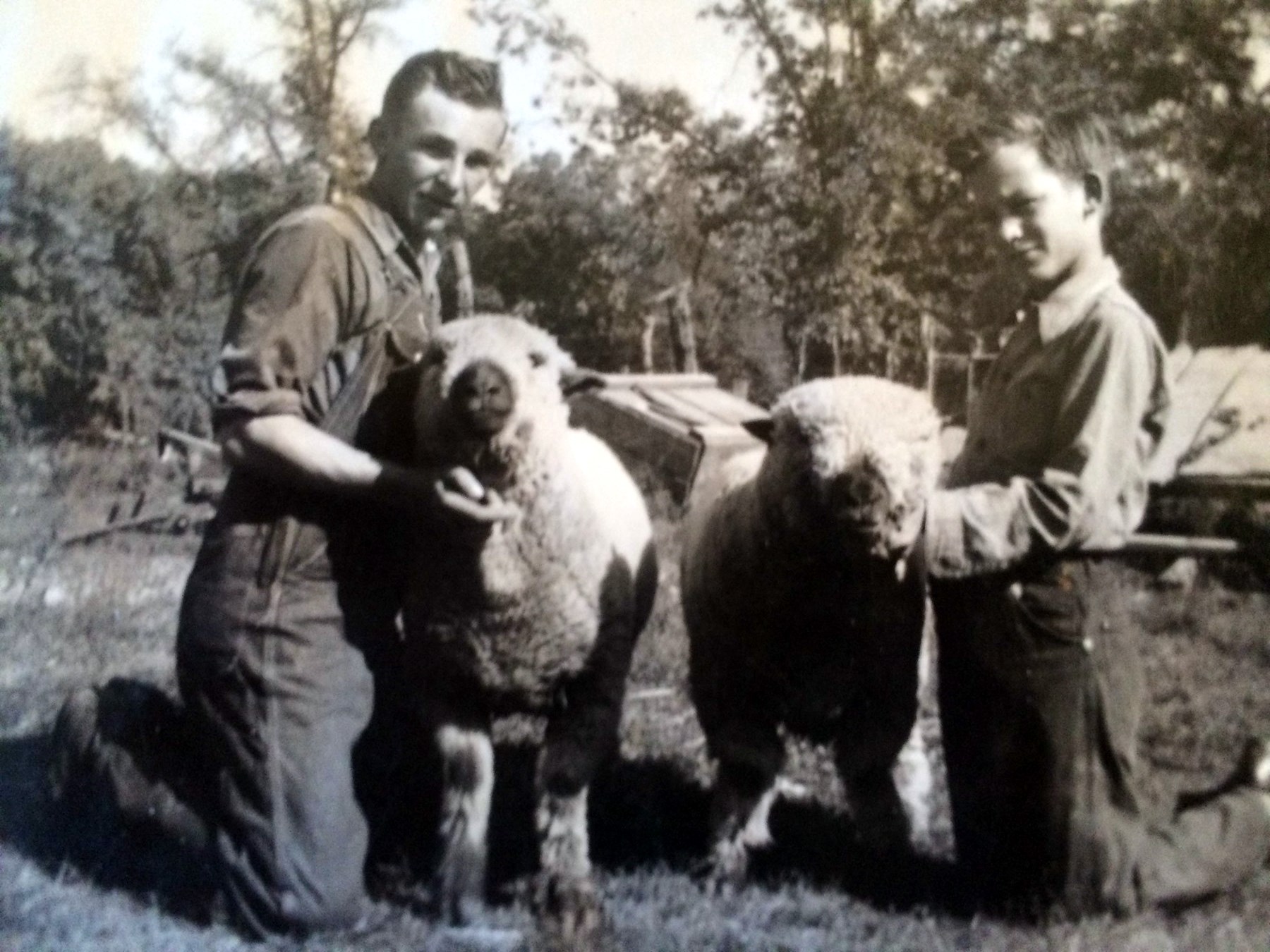
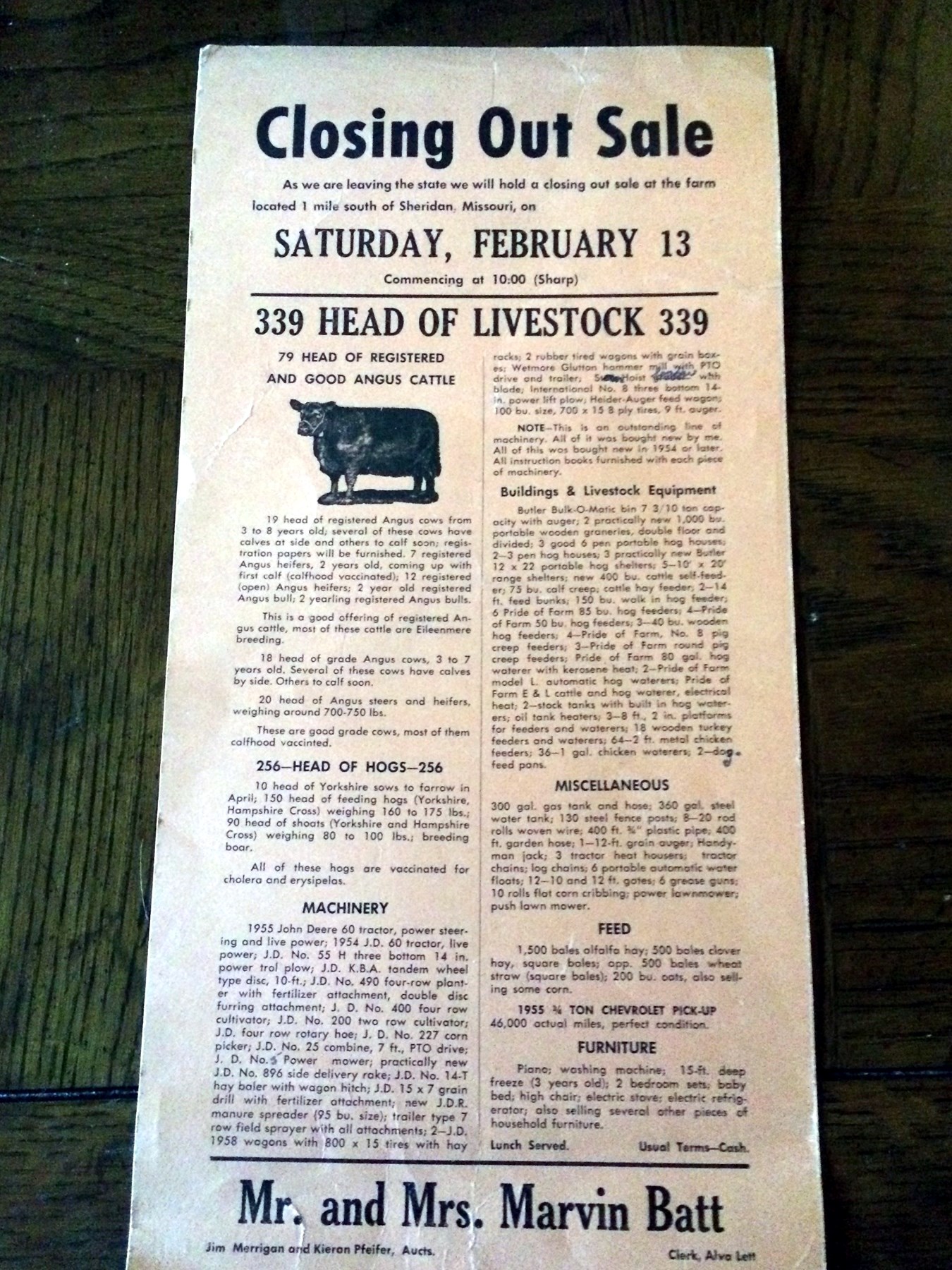
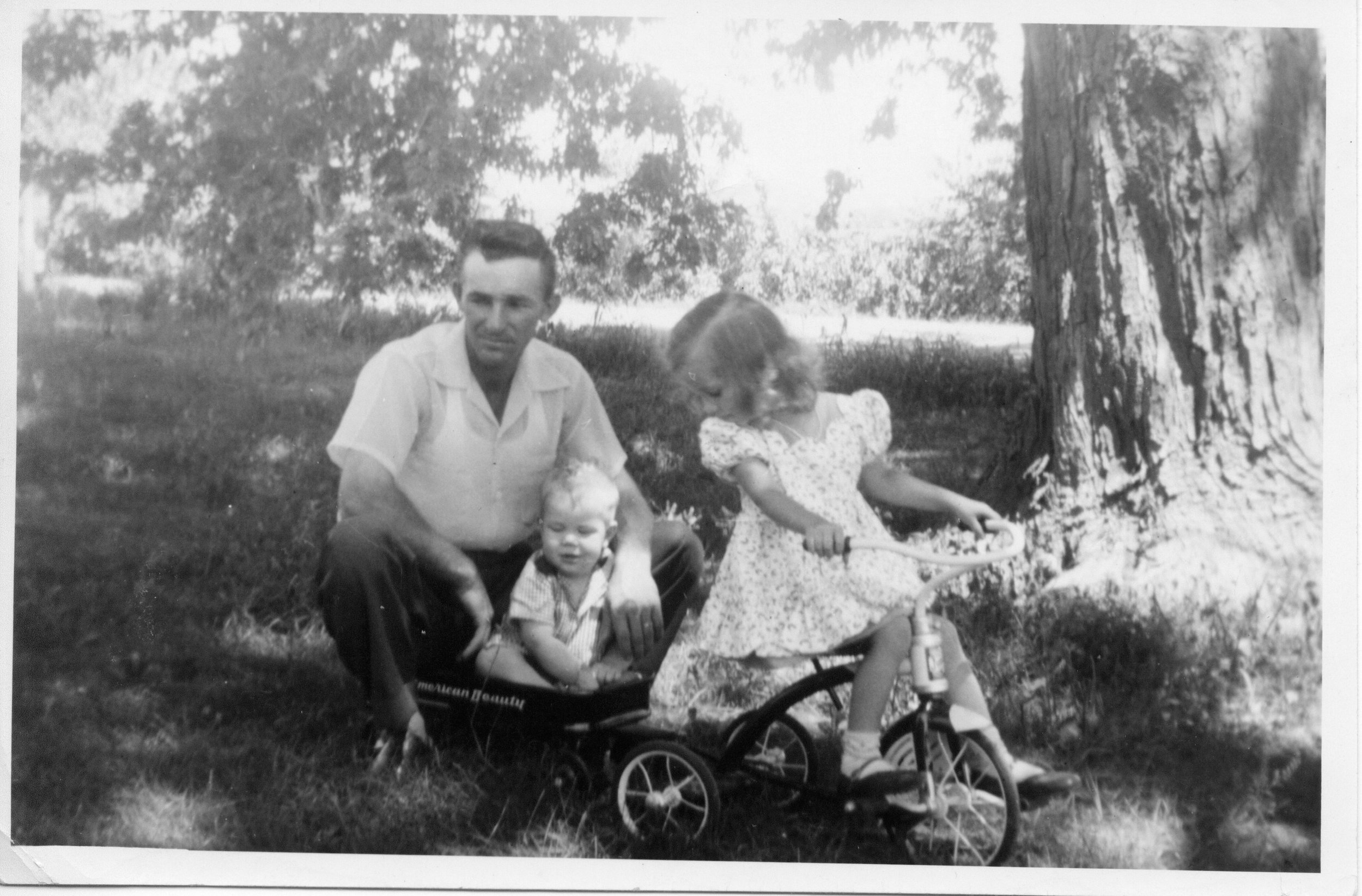
Last year, I spent some time doing some genealogical research on my family tree. That research basically confirmed two things: 1) I'm just about as American as you can get and 2) it's pretty much farmers and ranchers all the way down.

My father was born on a farm in northwestern Missouri, and while they moved to California when he was a young child,  leaving the farm life behind for good, I still feel like there's still some farmer in my blood.

Granted, the scale of my gardening harvests belie any natural talent in that area, but I have pull to land and a deep appreciation for those who do the hard work of tending to the plants and animals that give us food and fiber. 

Just as my perennials bloom again each year, my family's rural past is a source of inspiration I return to again and again. 

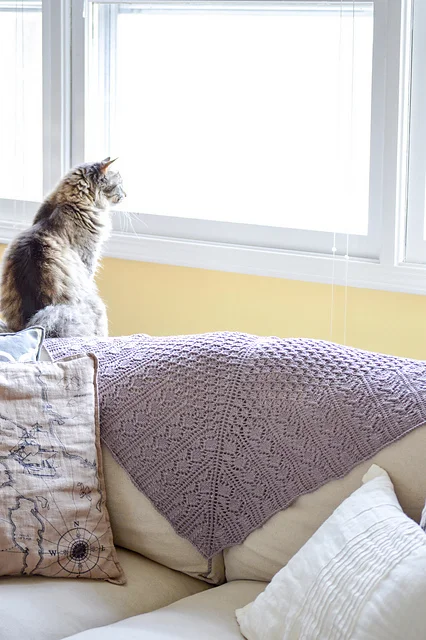
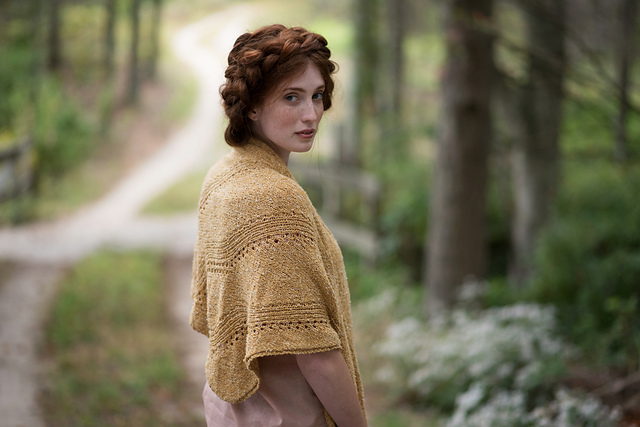
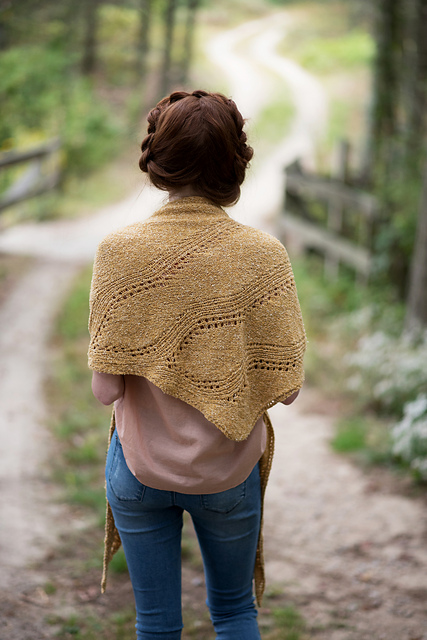
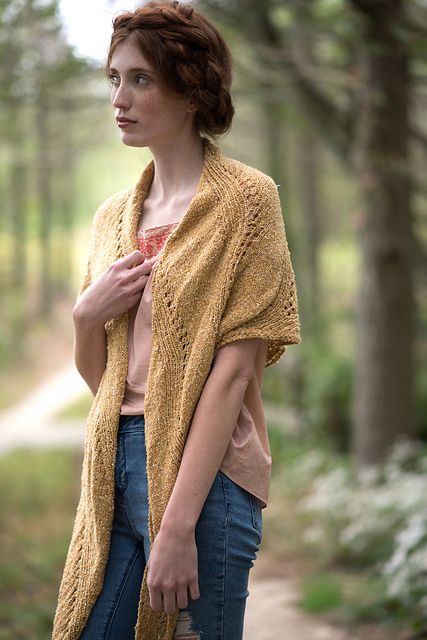
Reed, knit in Quince & Co's linen yarn has a naturally earthy texture that blocks beautifully to show the crisp lines of freshly-plowed fields and the leafy vines that grow from that well-tended soil. 

The lace band is knit first, with the body picked up along the edge and decreased to make a triangle shawl, meaning you only have to keep track of one lace pattern at a time. 

The pattern is available for $6 USD for the individual pattern or $19 USD for the whole Sparrow 2018 Collection from the following online shops:

MsCleaver.com   ||   Quince & Co.   ||      Ravelry

If you knit it and participate in social media, use #quincereed to share and/or tag me @mscleaver !  


Growing WILDFLOWER(s)

Even as I'm preparing to plant my first real seeds of the season, my next pattern collection is rapidly growing. 

I'm now less than a month away from launching WILDFLOWER, which means I'm neck-deep in partially-finished samples, pattern edits and kit supplies. Mr. Cleaver is being extremely patient about the number of project bags and cardboard boxes littering our house at moment. 

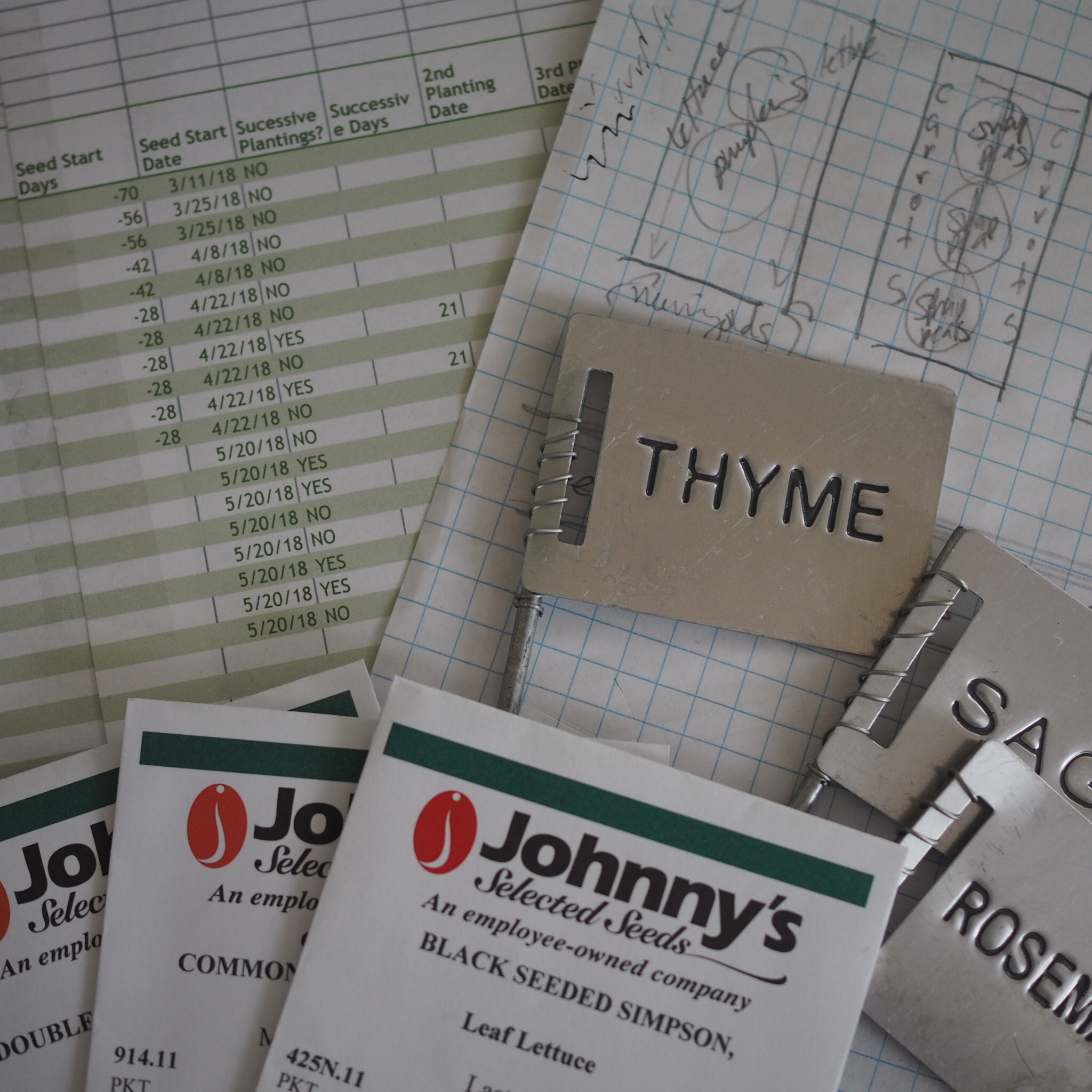
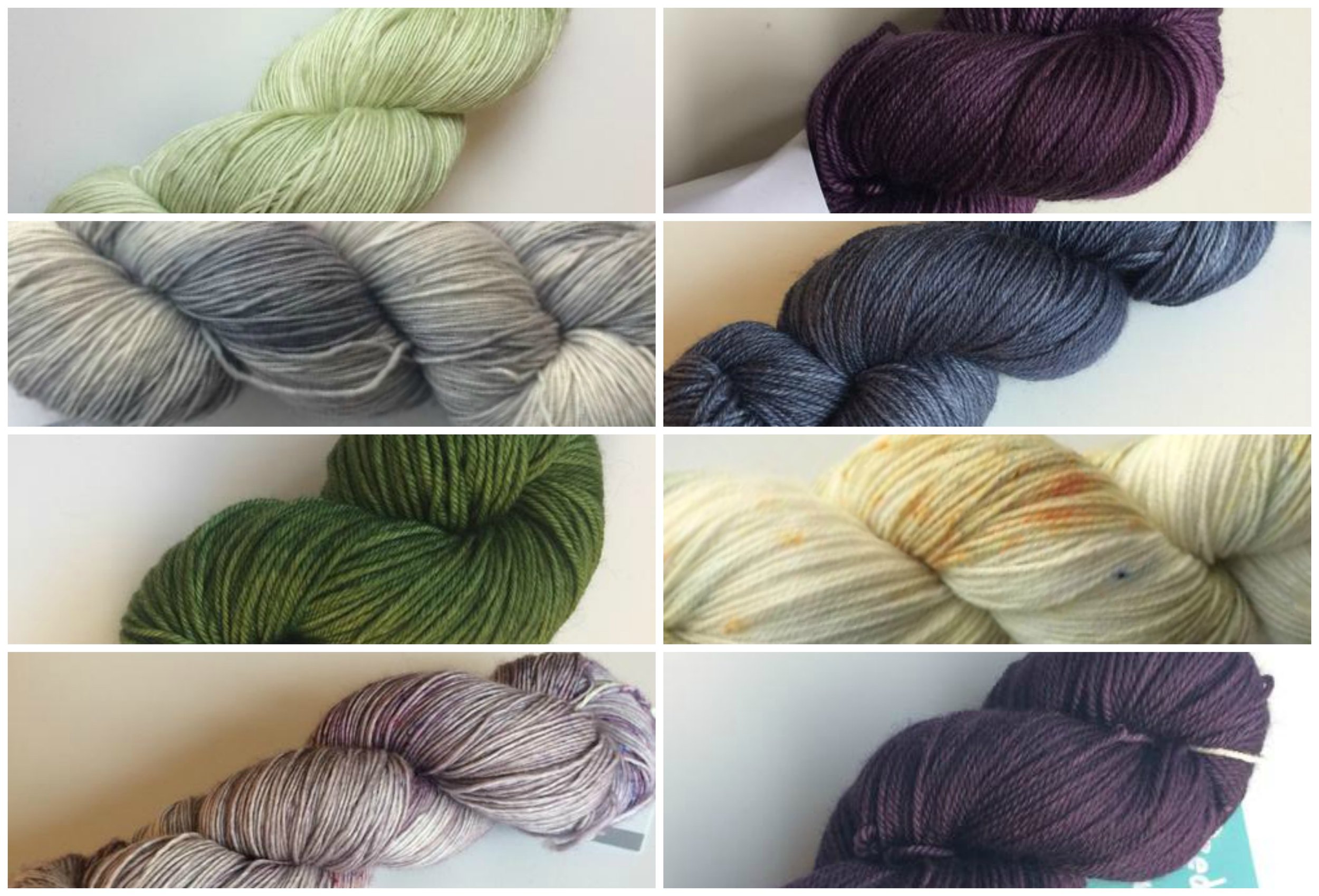
But even in the midst of all this chaos, the beauty of it all, like a bud peaking out of the dirt, is apparent and I'm relishing all the time I'm getting to spend with these beautiful threads and yarns in their vernal greens, pinks and purples. 

To be the first to know when this collection launches, which includes some limited-edition hand-dyed kits, sign up for my newsletter below. You'll receive a special discount and a free garden planning template (excel) as my thank you to you!


FO Roundup - Winter 2018

One of the most fun parts of being a designer is seeing how others interpret your designs. Here are a few of my favorite finished objects (FOs) of late, with a focus on cozy sweaters and comfy couches!

Caiterly - Knit by srblipscomb

Caiterly - Knit by srblipscomb

Willamette Coat - knit by TIcheek

Willamette Coat - knit by TIcheek

Alaria -  knit by wmcurella

Alaria -  knit by wmcurella

Alaria - knit by StephanieArrese

Alaria - knit by StephanieArrese

Cresting Waves Shawl - knit and dyed(!) by kquinnschroeder

Cresting Waves Shawl - knit and dyed(!) by kquinnschroeder

Summer Rain Shawl - knit by maplebuttermom

Summer Rain Shawl - knit by maplebuttermom

Fleet Fox - knit by littlelena

Fleet Fox - knit by littlelena

Want to share your knits with me? Tag me @mscleaver on Instagram, or if it's on Ravelry, I'll see it. :) 


Caiterly - PDF Pattern
$6.50

Sweetly feminine with all the right details, Caiterly is adorned with delicate cables against reverse stockinette. Leah B. Thibault's bottom-up raglan cardigan is worked in Cleaner Cotton™ Willet resulting in a medium-weight sweater to go with any and every last thing in your closet, from borrowed boyfriend jeans to sundresses.

Shown in size 33” / 84 cm with 1” / 2.5 cm negative ease

Bust Circumference: 31¼ (33, 34¾, 38, 40¾, 42½, 45, 46¾)" [79.5 (84, 88.5, 96.5, 103.5, 108, 114.5, 118.5) cm]
Yarn:8 (8, 9, 10, 10, 11, 12, 12) skeins of Willet by Quince & Co in Sail (701)(100% cleaner cotton; 160yd [146m]/50g)
Needles:32" circular in sizes US 4 and 5 [3.5 and 3.75 mm] / set dpns in sizes US 4 and US 5 [3.5 and 3.75 mm]

Gauge: 26 sts and 35 rows = 4”/10 cm in reverse St st on larger needles

Learn more about Caiterly in the Chronicles

View it on Ravelry

Photos © Pam Allen

Alaria - PDF Pattern
$6.00

A traditional triangle shawl featuring a flowing series of lace patterns. Inspired by the undulating forms of seaweed and the summer chills that result from overly air-conditioned offices.

Shawl begins at the long edge and ends at the point. The lace patterns used only have the yo’s and dec’s on the RS rows and all the WS rows are purled. Pattern includes both charted and row by row instructions.

Shawl size can be increased by completing additional 24-row repeats of lace patterns #1 and/or #2. Any modifications may necessitate more yarn.

  • 52 “ wingspan, 25” depth
  • 430-500 yds of Fingering weight yarn, sample shown in Quince & Co. Tern in Seagrass 143
  • 24-inch circular needle, US 6 - 4.0 mm
  • 19 stitches and 36 rows = 4 inches in lace pattern #1 blocked open

Learn more about the Alaria Shawl in the Chronicles

View it on Ravelry.

Photos © Carrie Bostick Hoge

Summer Rain Shawl - PDF Pattern
$6.00

As a child, I dreamed of summer storms.

Growing up in northern California, my summers consisted of soaking my swimsuit in the sprinkler and rushing to the driveway to leave an ephemeral body print on the concrete; of running barefoot across the hot asphalt to my friend’s house and trying not to burn my feet; of the dark towels my mother put over the windows in the daytime to keep out the heat.

I wanted my summers to be cooler, wetter. I thought a summer storm would be the perfect antidote to the dry California heat, a backyard sprinkler writ large.

Having lived in Maine for a decade, the dozen or so summer storms take on a different role than I imagined as child, offering not an invitation to play, nor to hide, but to simply be still. After a stretch of hot sunny days, the plants in my garden welcome the rain. I follow their lead, raise my face to the heavens and drink it in.*

This shawl is knit flat from the bottom up. You will decrease 4 stitches every right-side row through raindrop pattern and every row thereafter.


FINISHED MEASUREMENTS
66" [168 cm] wingspan, 31" [79 cm] high
YARN
Milo by Manos del Uruguay (65% merino wool,
35% linen; 380 yards [350 m] / 100 grams)
2 skeins in Lisboa
NEEDLES
One 36" circular needle in size US 5 [3.75 mm]
GAUGE
24 stitches and 36 rows = 4" blocked
NOTIONS
Stitch markers
Tapestry needle

Berroco Portfolio Vol 5.

I was honored when I was invited to submit designs for Berroco's fifth Portfolio Collection. Berroco's independent designer collection, previous Portfolio, have included a number of my favorite design pals, including Jesie Ostermiller, Allison Jane and Beatrice Perron Dahlen - as well as biggies like Norah Gaughan. 

Each Portfolio highlights a different yarn collection and the prompt for my go-around was to show off the versatility of Berroco Remix and Berroco Remix Light. Remix is machine-washable, wool-free yarns are recycled from garment industry pre-consumer waste. I've used a fair number of recycled yarsn before, both in personal knitting and design work, and I have to say that Remix light (used in both patterns above) is my favorite I've used. It's not splitty, but has a nice tweedy texture and is lighter and more stretchy than most yarns with a high cotton content (it's 30% Nylon, 27% Cotton, 24% Acrylic, 10% Silk, 9% Linen, if you're curious). All of this makes it perfect for spring/summer knits. 

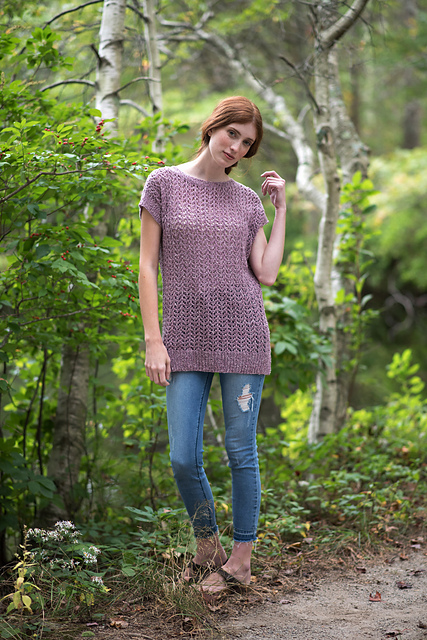
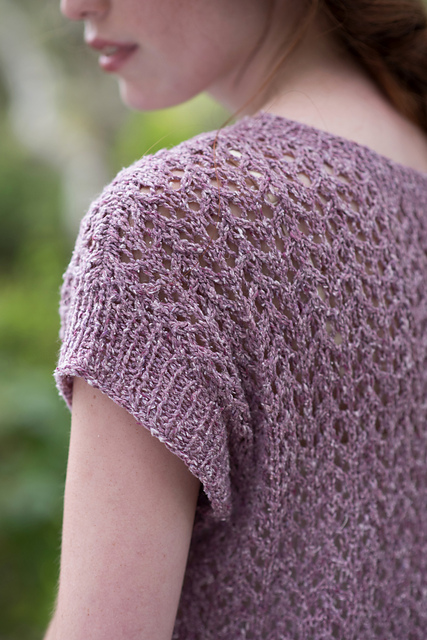
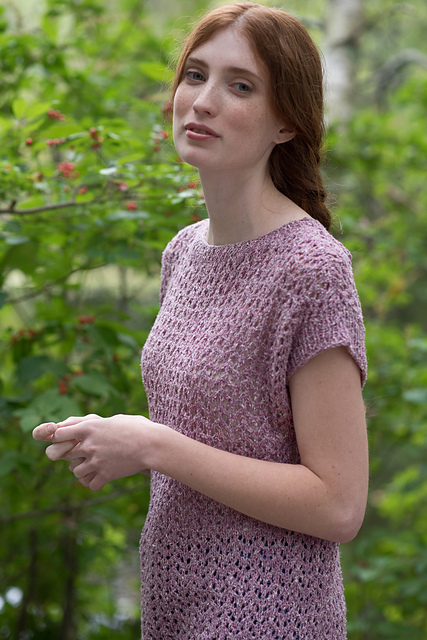
My two contributions to the collection are the Lake Arrowhead Tee, a knit-in-the-round tunic with an allover lace pattern and the Amber Waves Shawl, a cleverly designed triangular shawl knitting pattern, that begins at one tip and is worked sideways with an traveling charted stitch pattern to mimic waves of wheat on the plains. 

You get a lot of bang for your buck from these yarns too. The largest size of the tee (55 1/2 inch bust) only requires three balls and the shawl blocks out to over 7 feet long, but uses less than two!

The patterns are available individually for $6 USD each, or as part of a 15-pattern ebook or pamphlet for $17.95. 

Lake Arrowhead Tee

Ravelry | Berroco

Amber Waves Shawl

Ravelry | Berroco

Portfolio Vol 5 Collection

Ravelry | In stores


Planting Seeds for WILDFLOWER

The WOODLAND collection came together as a collection more or less by accident. I had a few designs I wanted to do and as I was working on them, I realized that they had a similar theme, so I decided to go with the flow. That said, I quickly learned that I liked working in the collection format - even if it mean photographing a half dozen things in about 45 minutes. So when I starting thing about where I wanted to go with my design work, doing more in the collection format immediately sprung to the top of list. 

And so, in December, I started thinking Spring. 

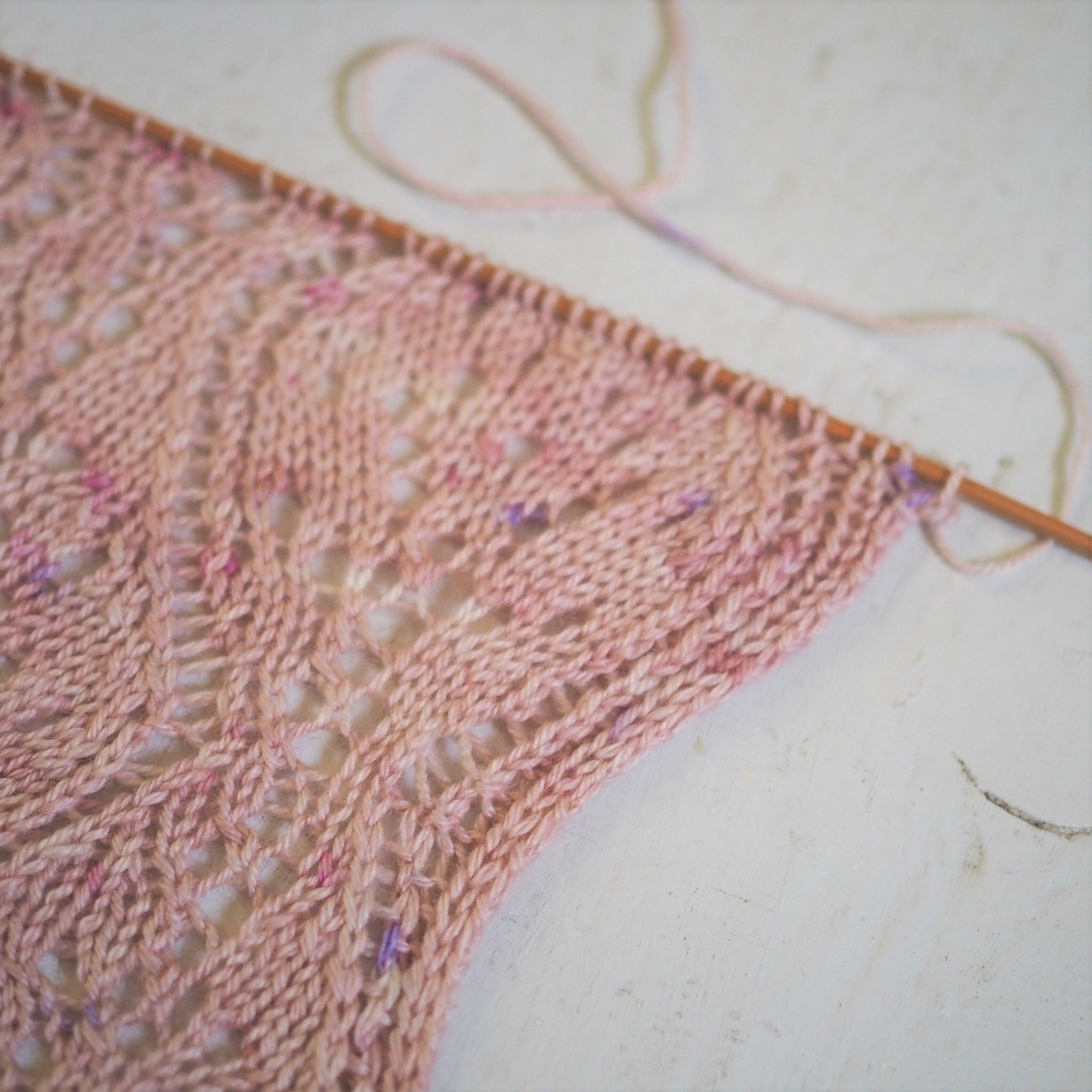
WILDFLOWER seemed like a good good follow up to woodland theme, so I started gathering images and thinking about what the collection would be. I also knew I wanted my work to be more collaborative this year, so I'm partnering with indie dyers NabiWoolStudio and RedSockBlueSock for two of the knitwear designs. At this point, all the planning stuff is pretty much done and I'm deep in pattern writing and sample making. There will be three new knitwear designs and three embroidery hoops and it's all going to be so pretty!

So wish me luck as I furiously stitch and try to find a spring-esque photoshoot location in Maine in Feb/March!

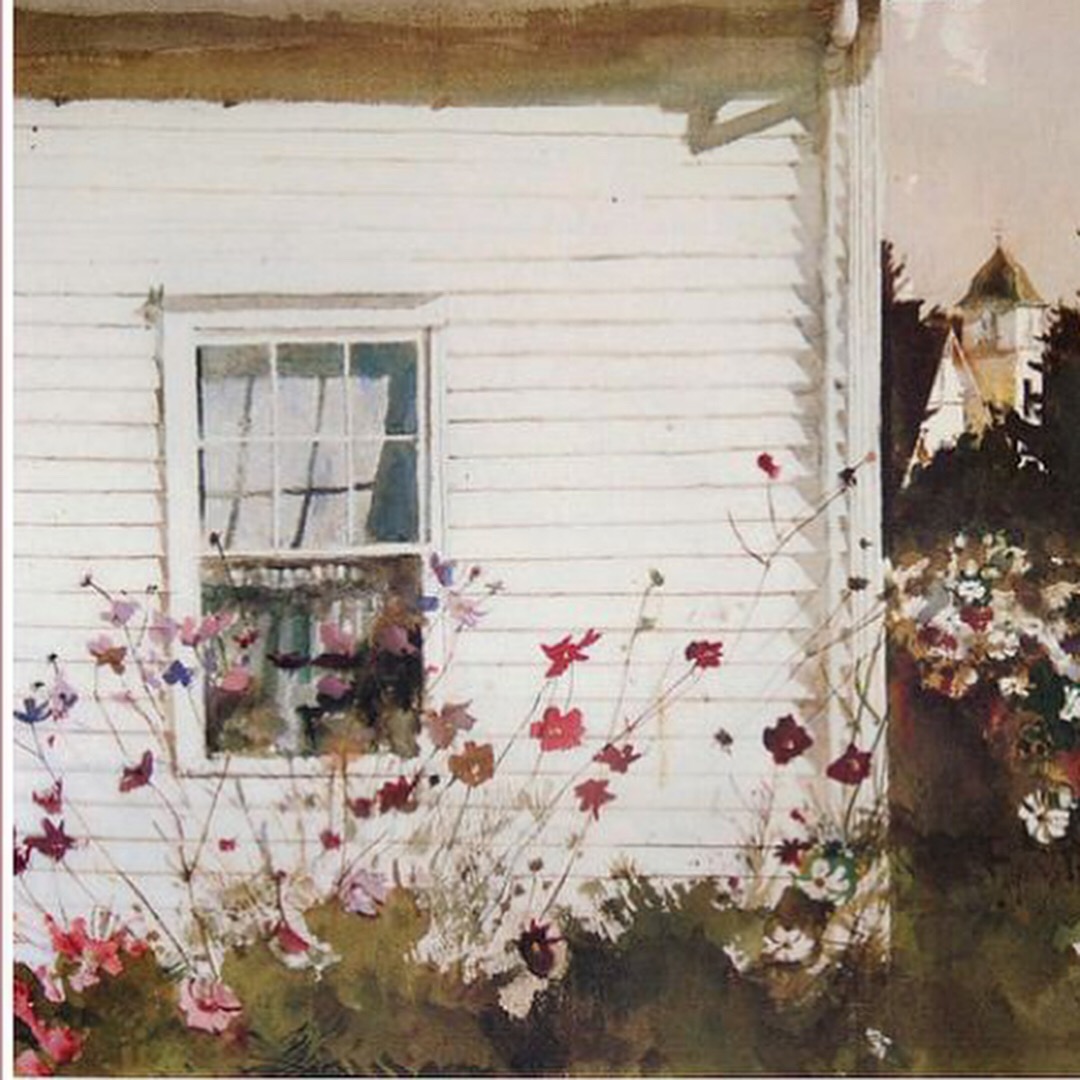
Inspiration images from top to bottom:

  • Andrew Wyeth's Around the Corner
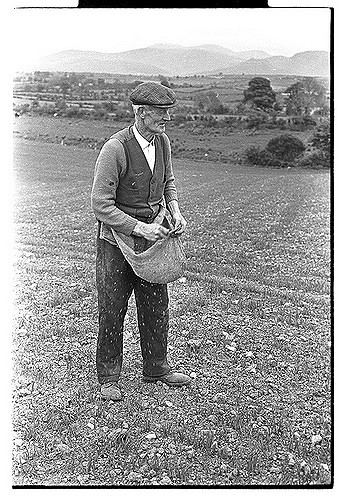
  • Old farmer sowing seeds from traditional apron, Hilltown, Co. Down, 1970s, Bobbie Hanvey, photographer.
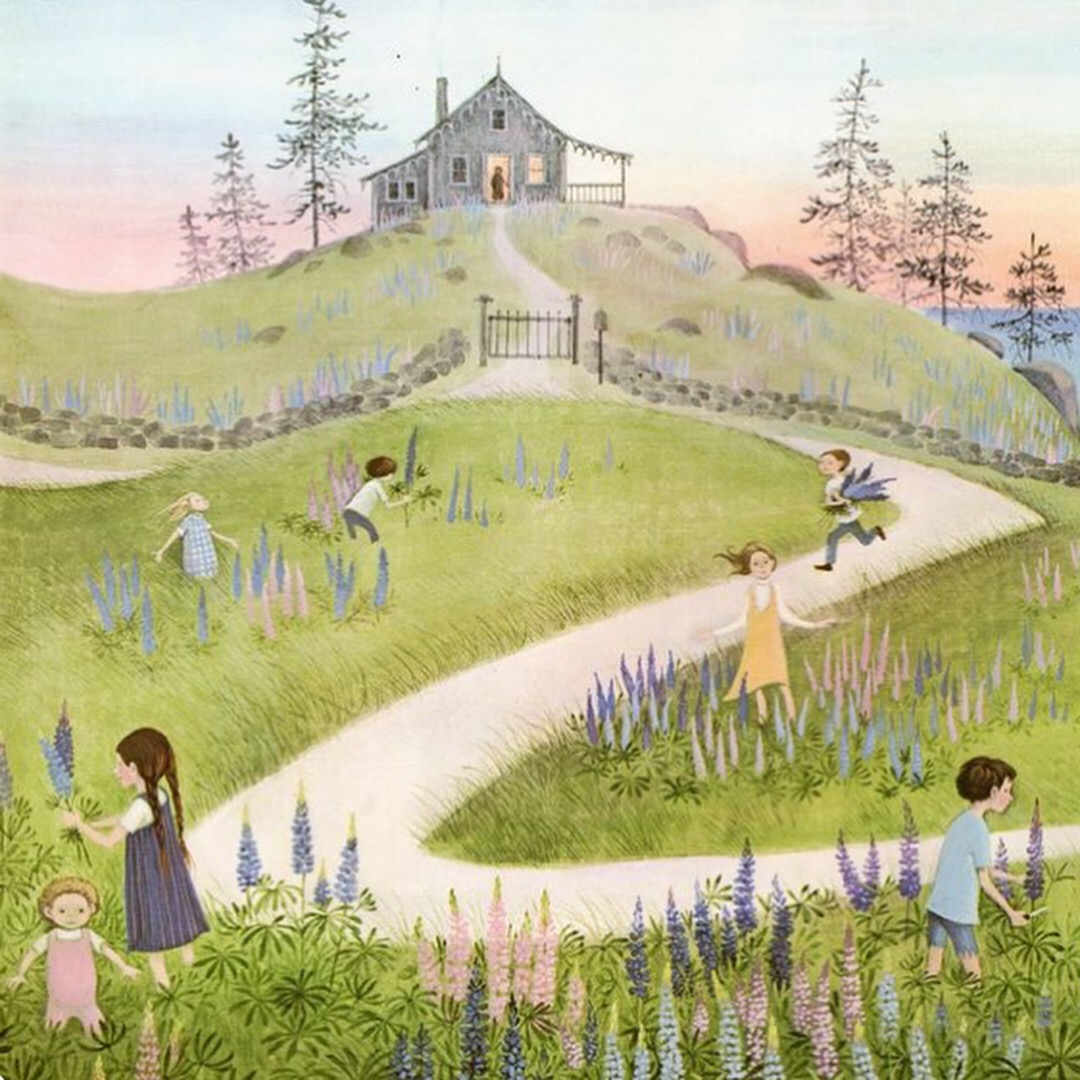
  • "Miss Rumphius" by Barbara Cooney