If you hang around the sewings/knitting/maker community on social media, it's highly likely you've run into someone posting about #slowfashionoctober, started by (you guessed it), Karen Templer of Fringe Association.
For those unfamiliar with the term, slow fashion, like the more common slow food, has many definition which may (or may not include): sourcing locally, sourcing ethically, limiting purchases, and growing/making your own. In general, it is about being more conscious about your clothing purchases and is a reaction to "fast fashion," just like slow food is a reaction to "fast food."
I wasn't really intending on participating, because, as with Me-Made-May, I feel that these sorts of things are better at engaging those in the early part of their making journeys. But life being what it is, I found I did have something to say.
I sew and I knit the vast majority of my own clothes. While I had been adding special me-made pieces to my wardrobe for several years, I really started making a habit of it back in 2014, when I made a pledge to myself to only purchase all my clothes from ethical sources. I did a lot of research into brands and while I found some real winners, a lot of what was out there didn't fit my style, or my budget. Since I already had the skills, it just became easier to make my own.
Fast forward a few years and I'd gotten a nice wardrobe of clothes I felt good about. Then I started taking some medication, which was/is super helpful for my anxiety, but came with the side effect of some significant weight gain.
The mental health trade off was more than worth it, but suddenly,I had a closet full of clothes that didn't fit at all or barely fit and were no longer flattering.
How do you do slow fashion when you legitimately need all new clothes?
It's something I struggled with a lot over the past year. To walk into a store and buy the things I needed felt like a failure of my morals, to continue to wear clothes that didn't fit was a daily knock on my self-esteem.
I hit up the thrift and consignment stores, but the choices in my new size were extremely limited - there were literally only two pairs of shorts in my size in an entire Goodwill on one trip. I looked into online consignment sites and it wasn't much better.
So I returned to my sewing skills. But my time to sew is limited to a few hours on the weekend - so it's not like I can churn out a dozen items just like "that."
So, I came back to what the core of slow fashion is about for me:
What do I really need? How much is enough?
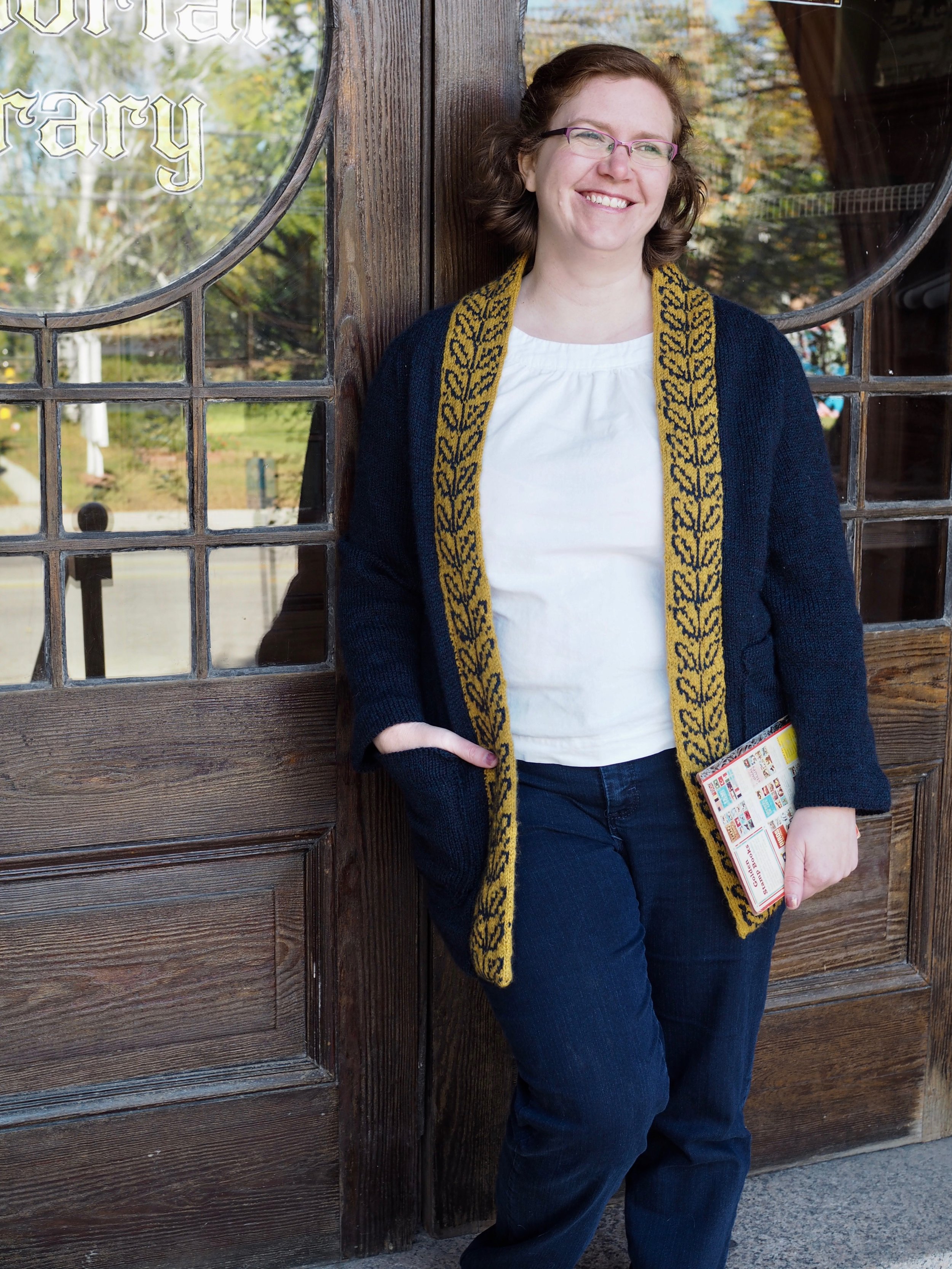
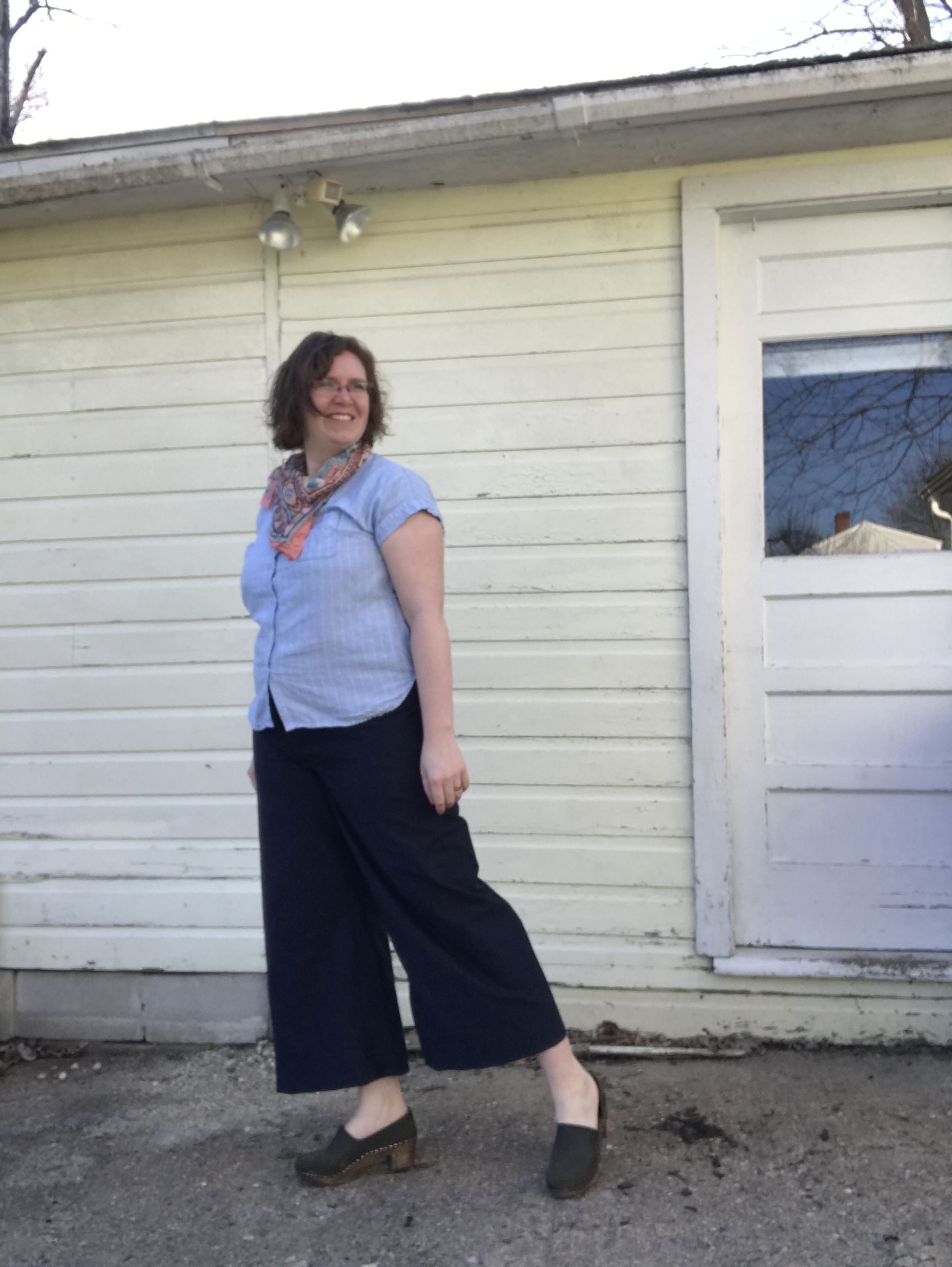
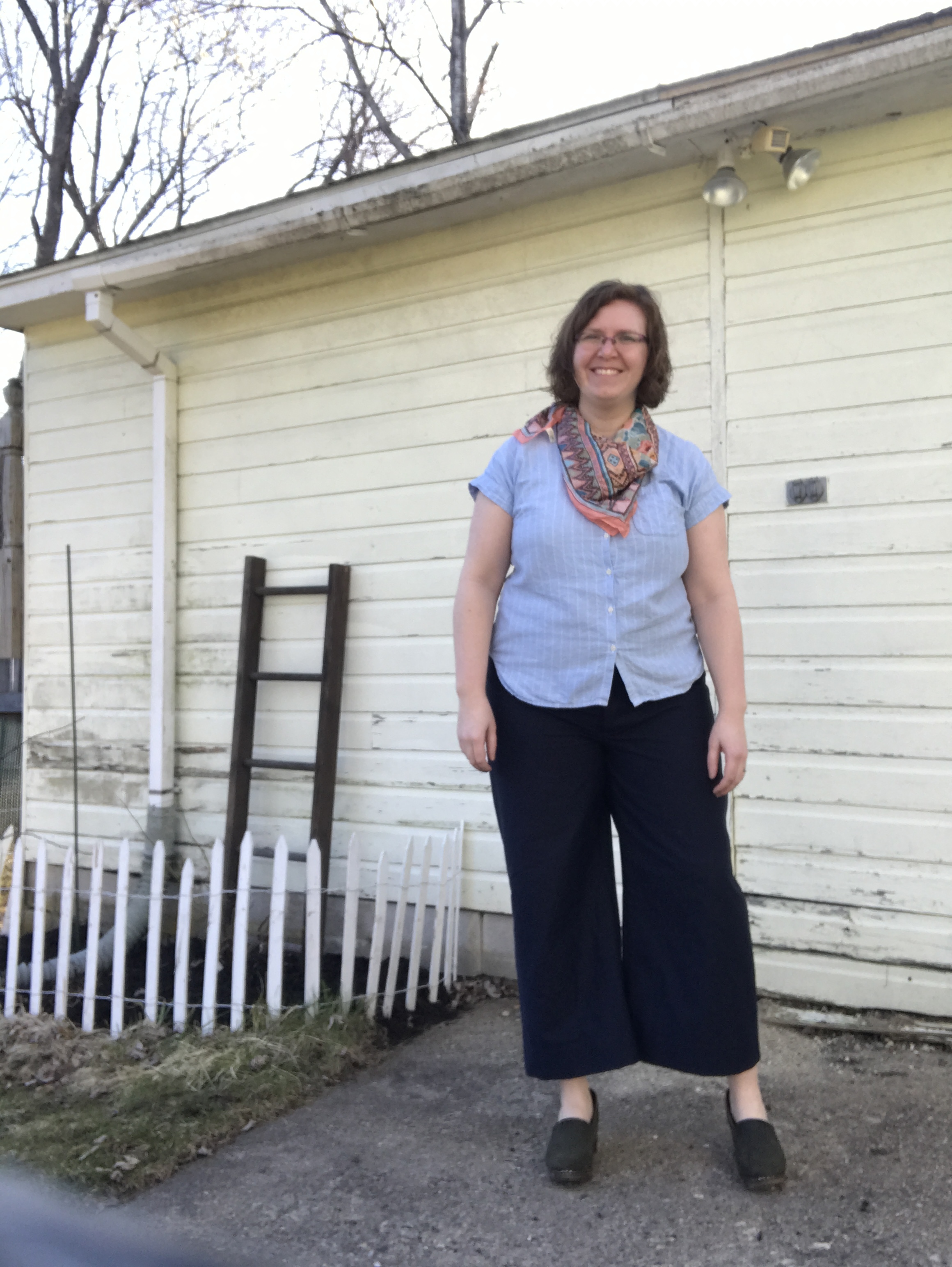
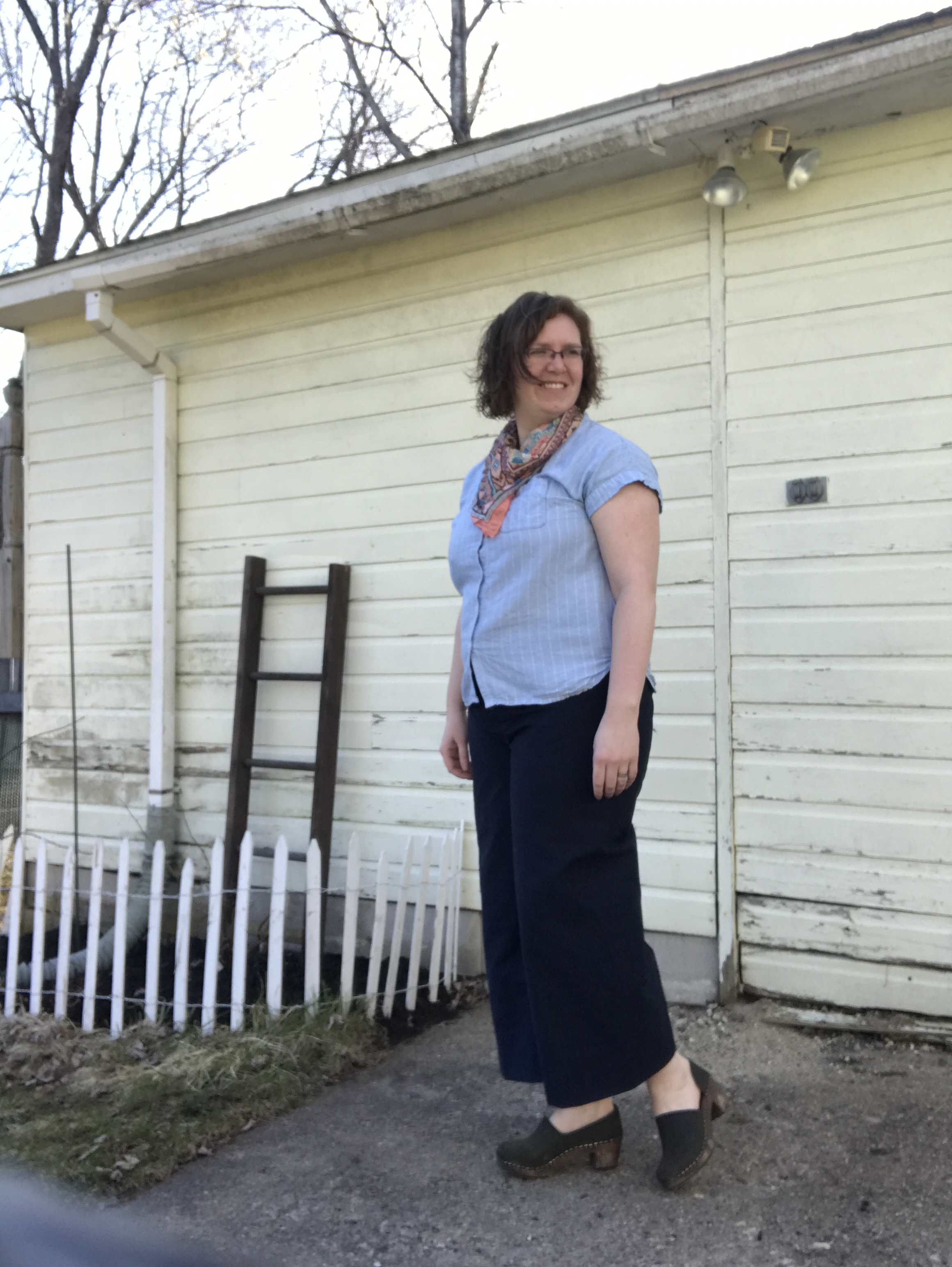
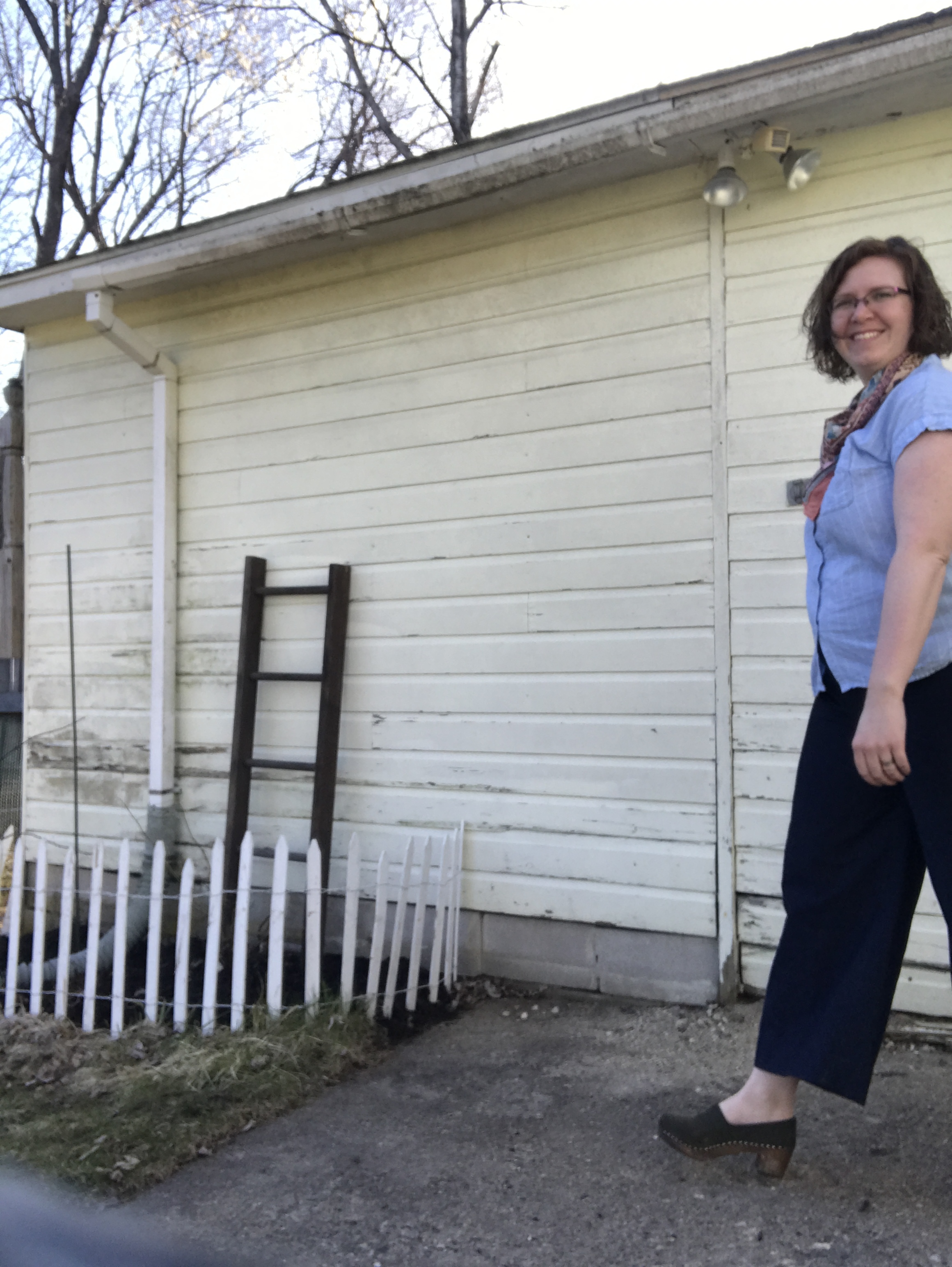
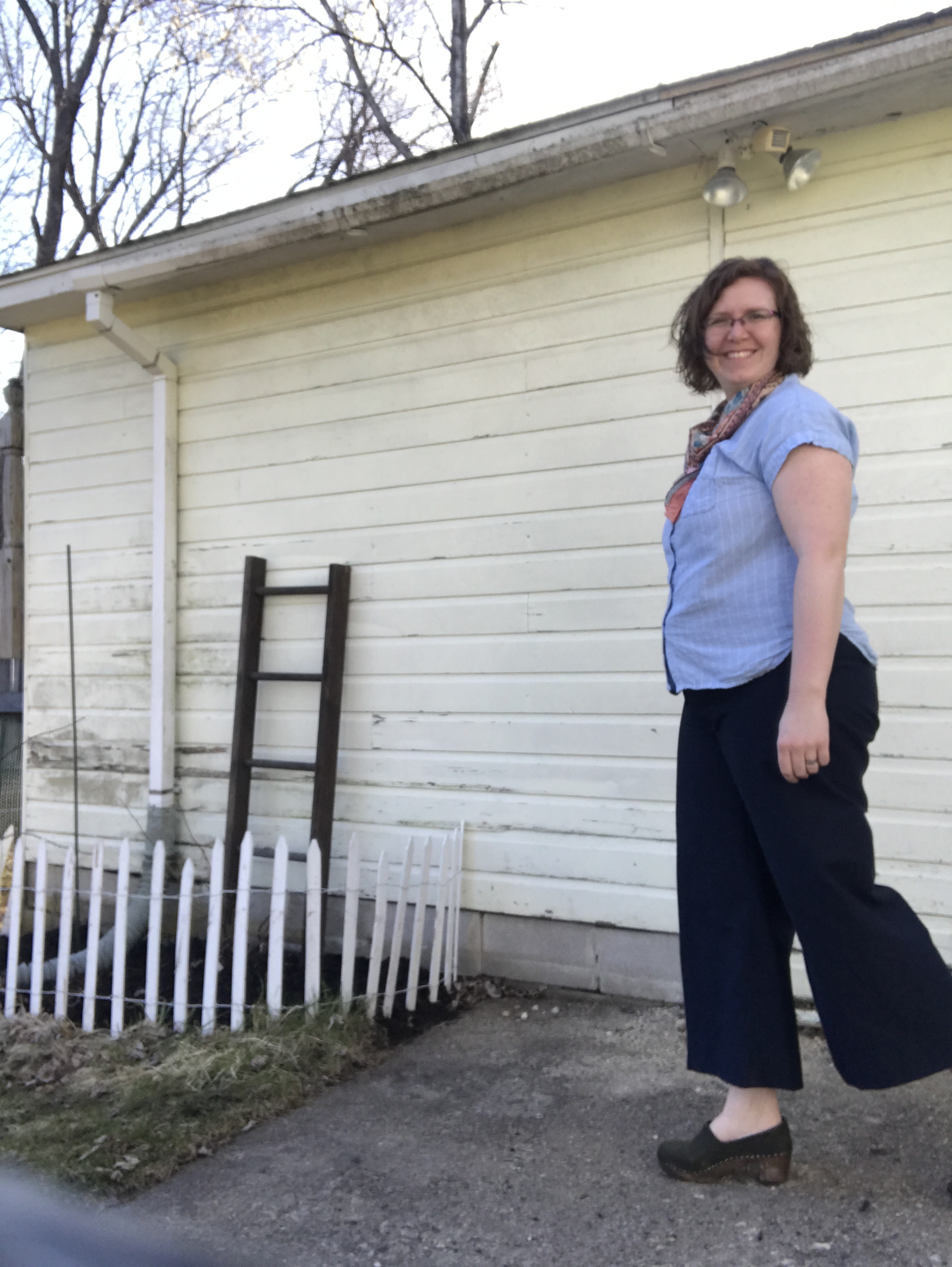
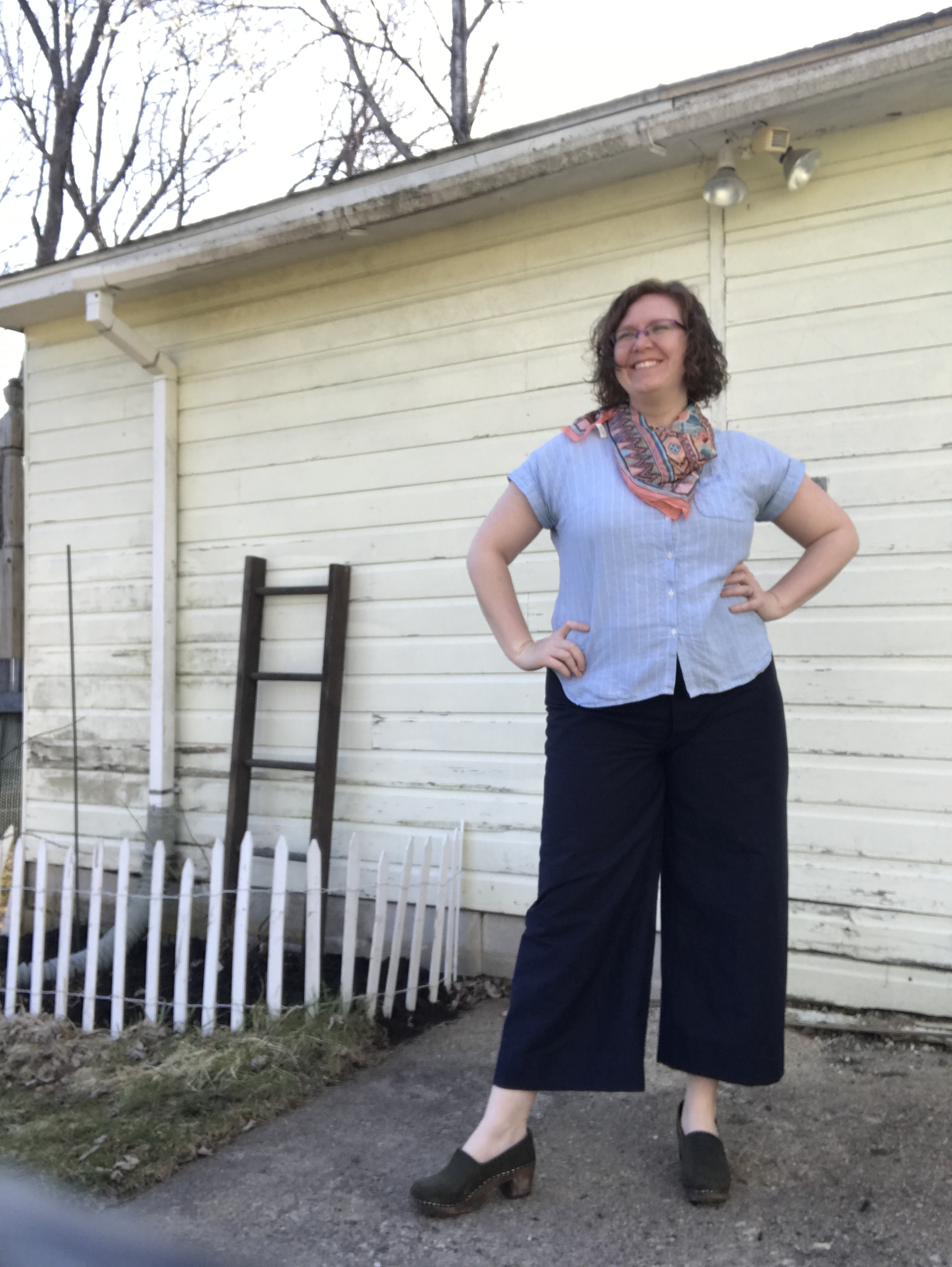
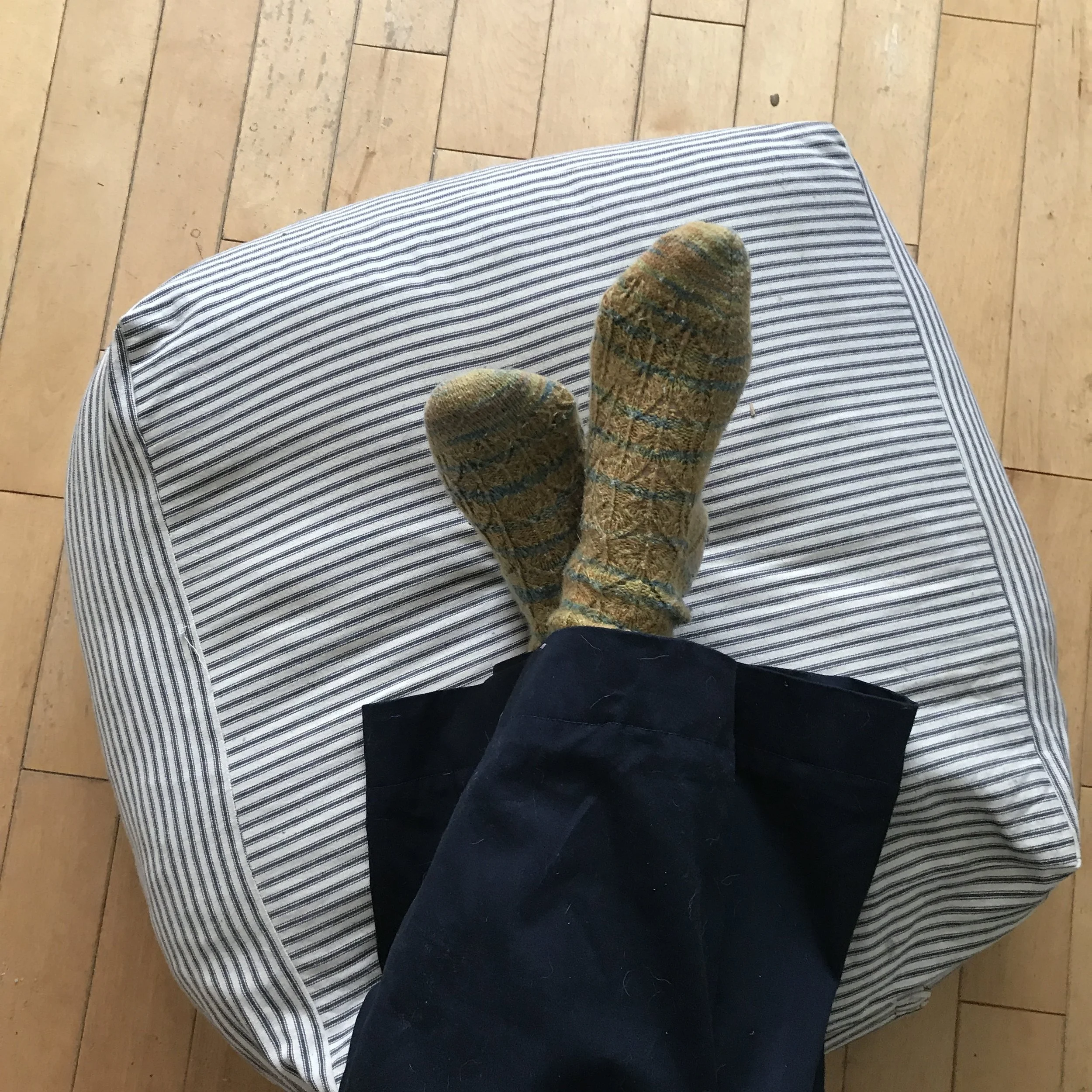
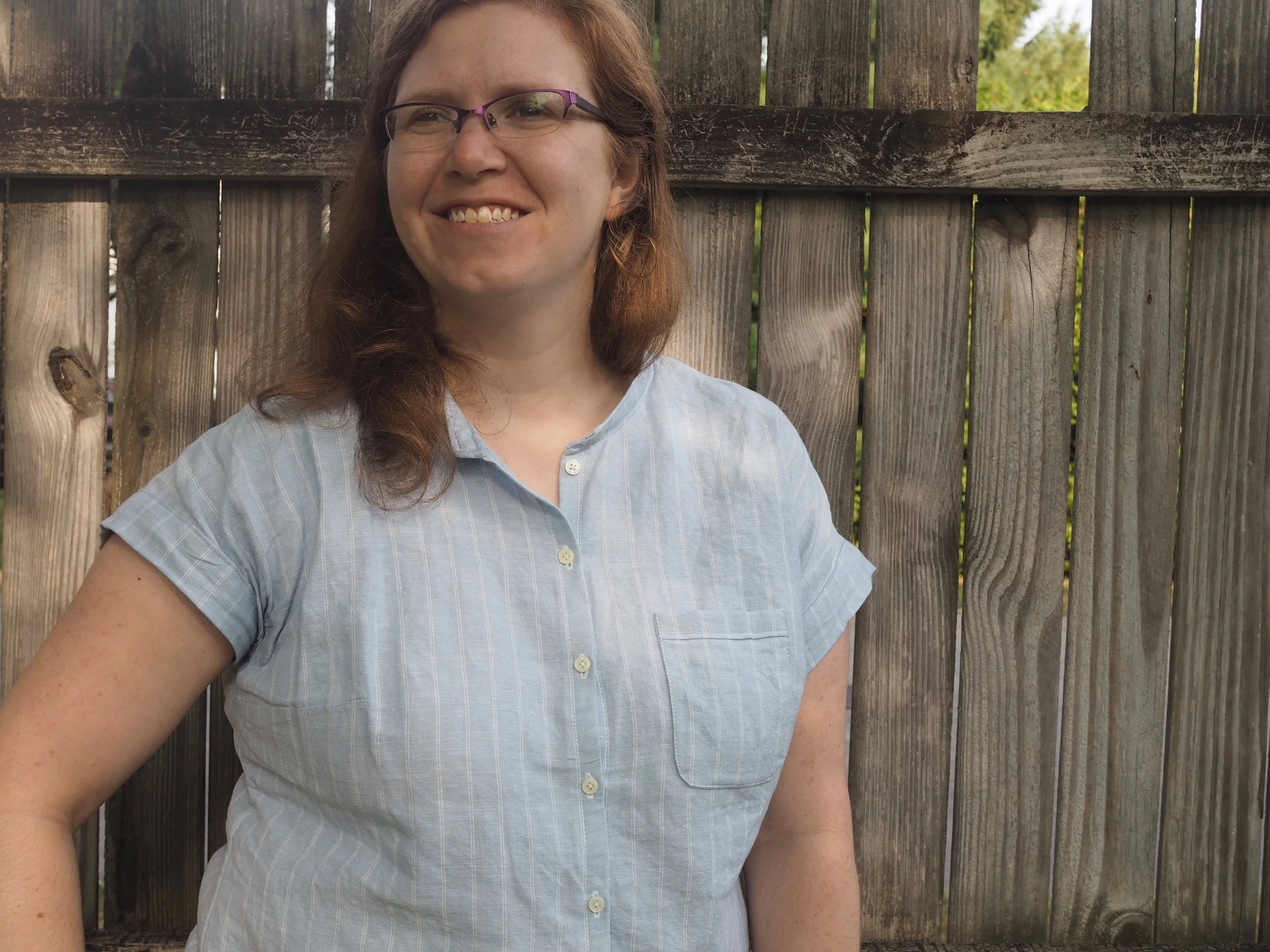
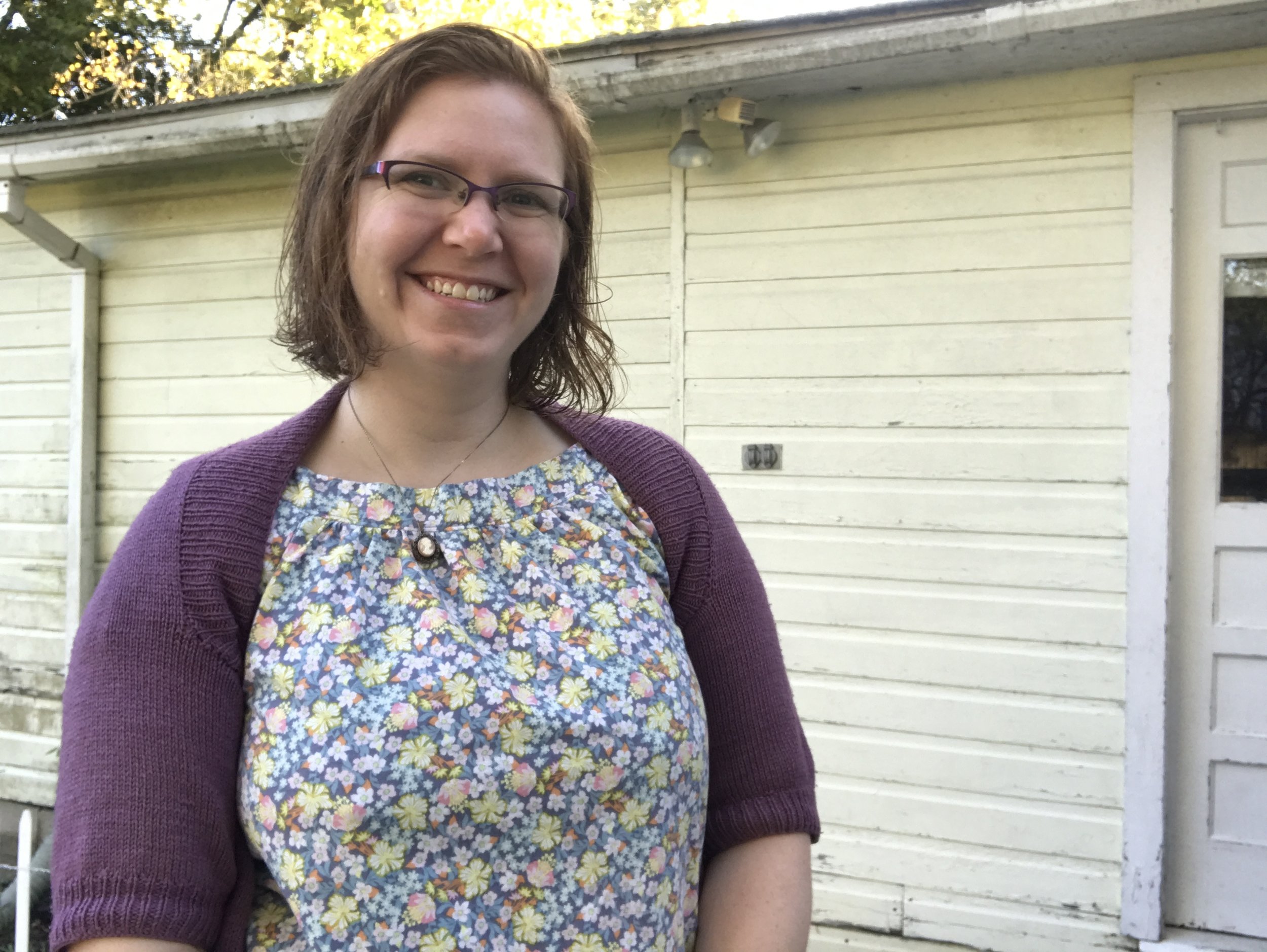
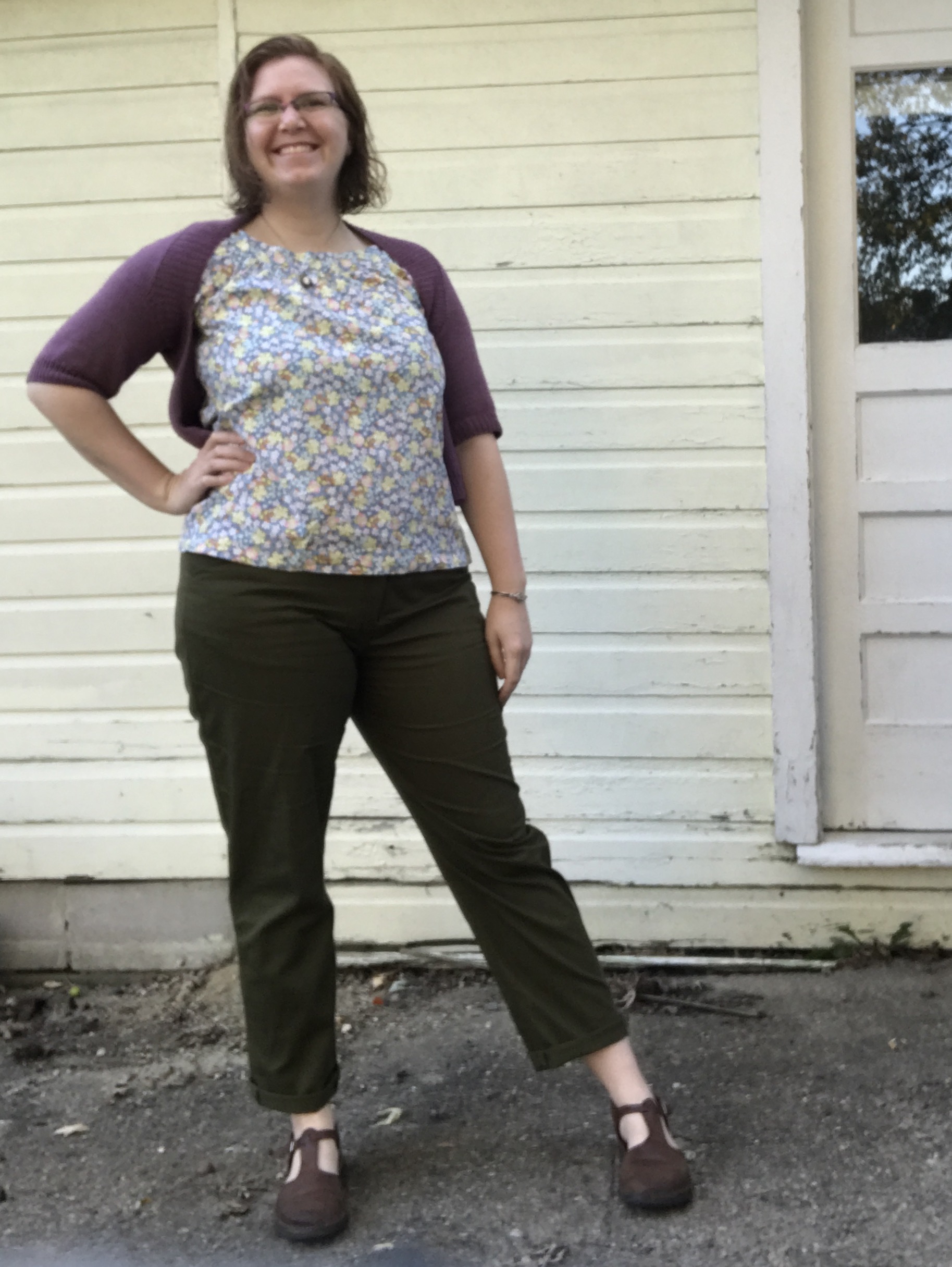
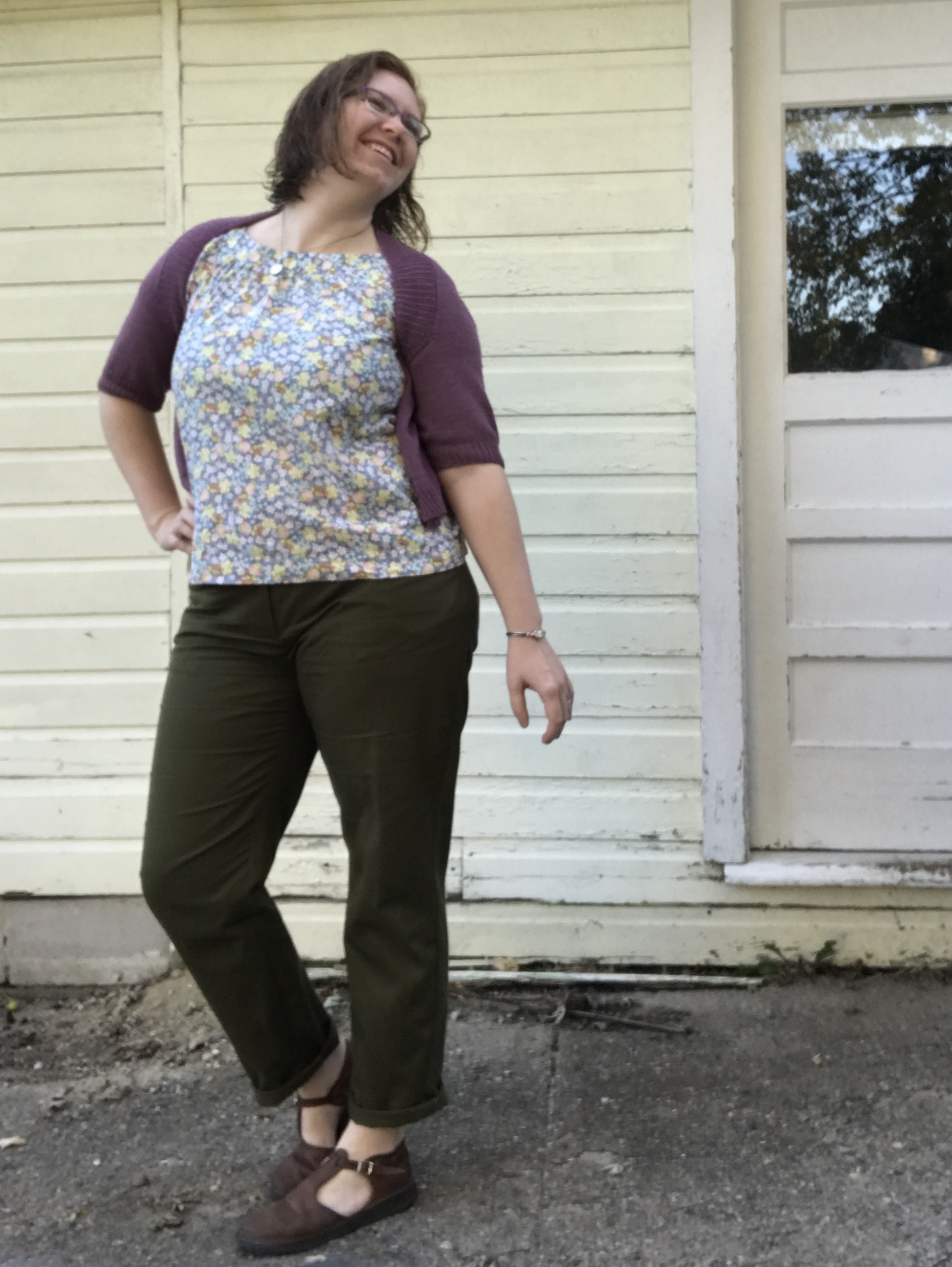
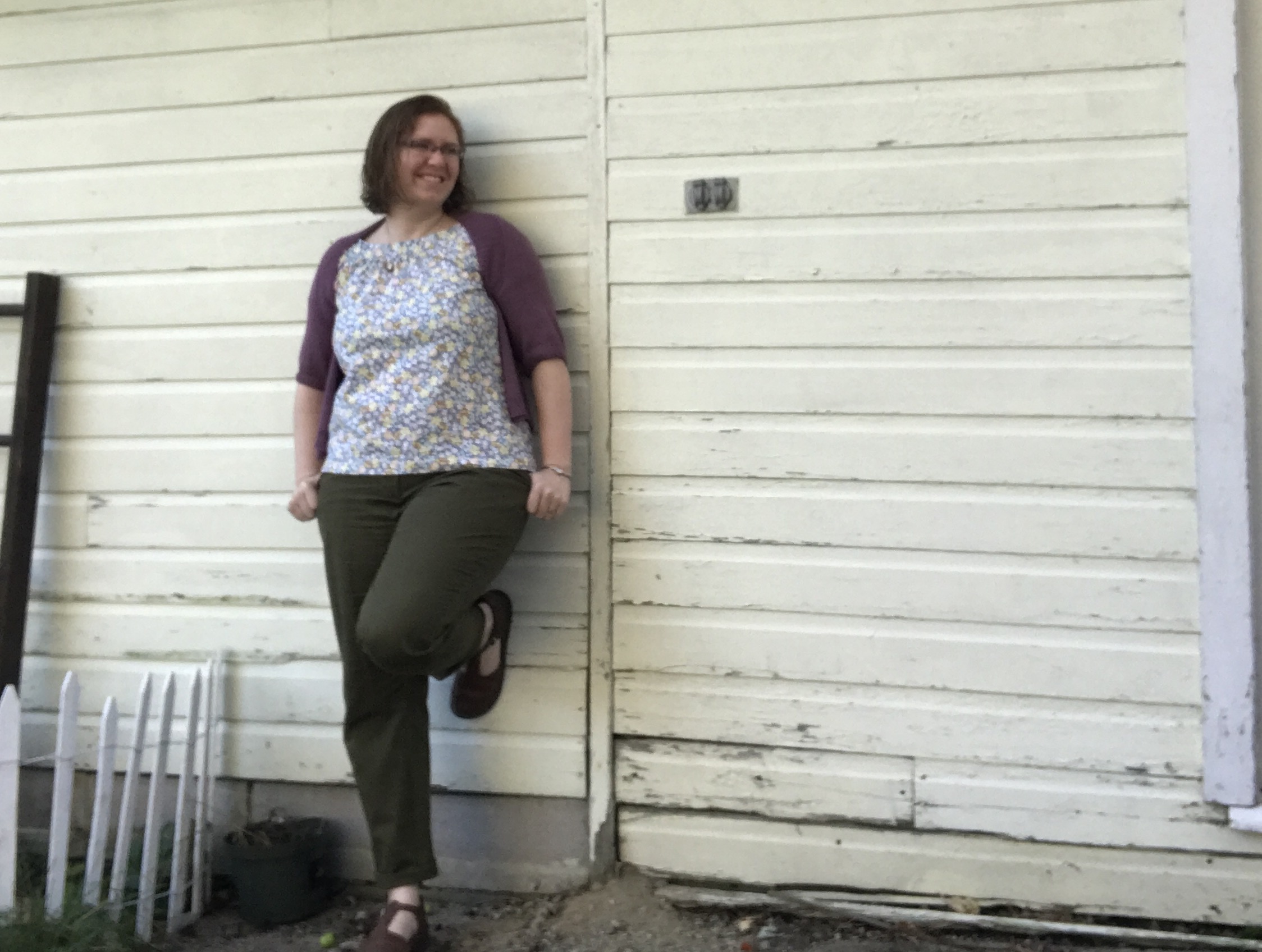
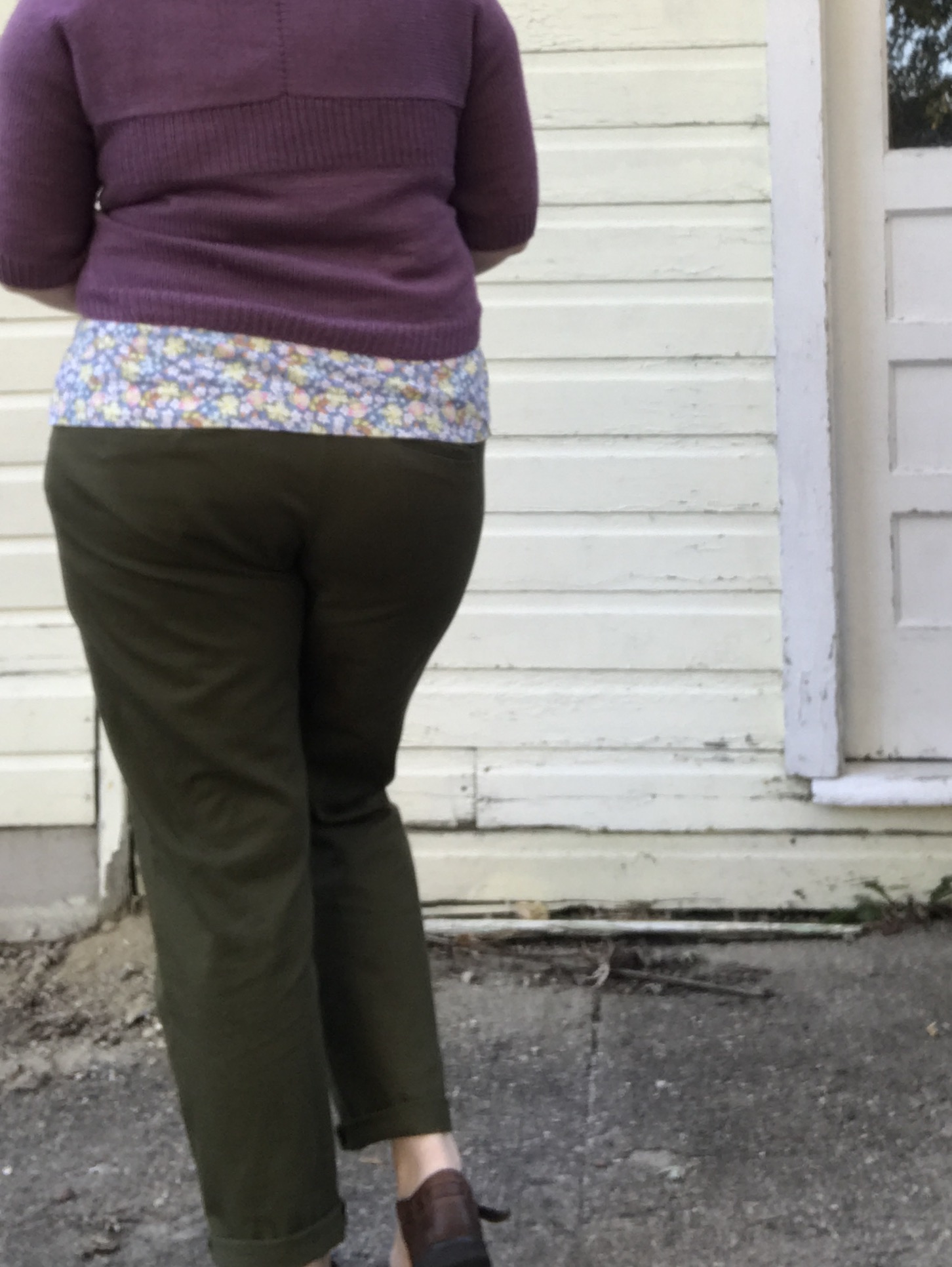
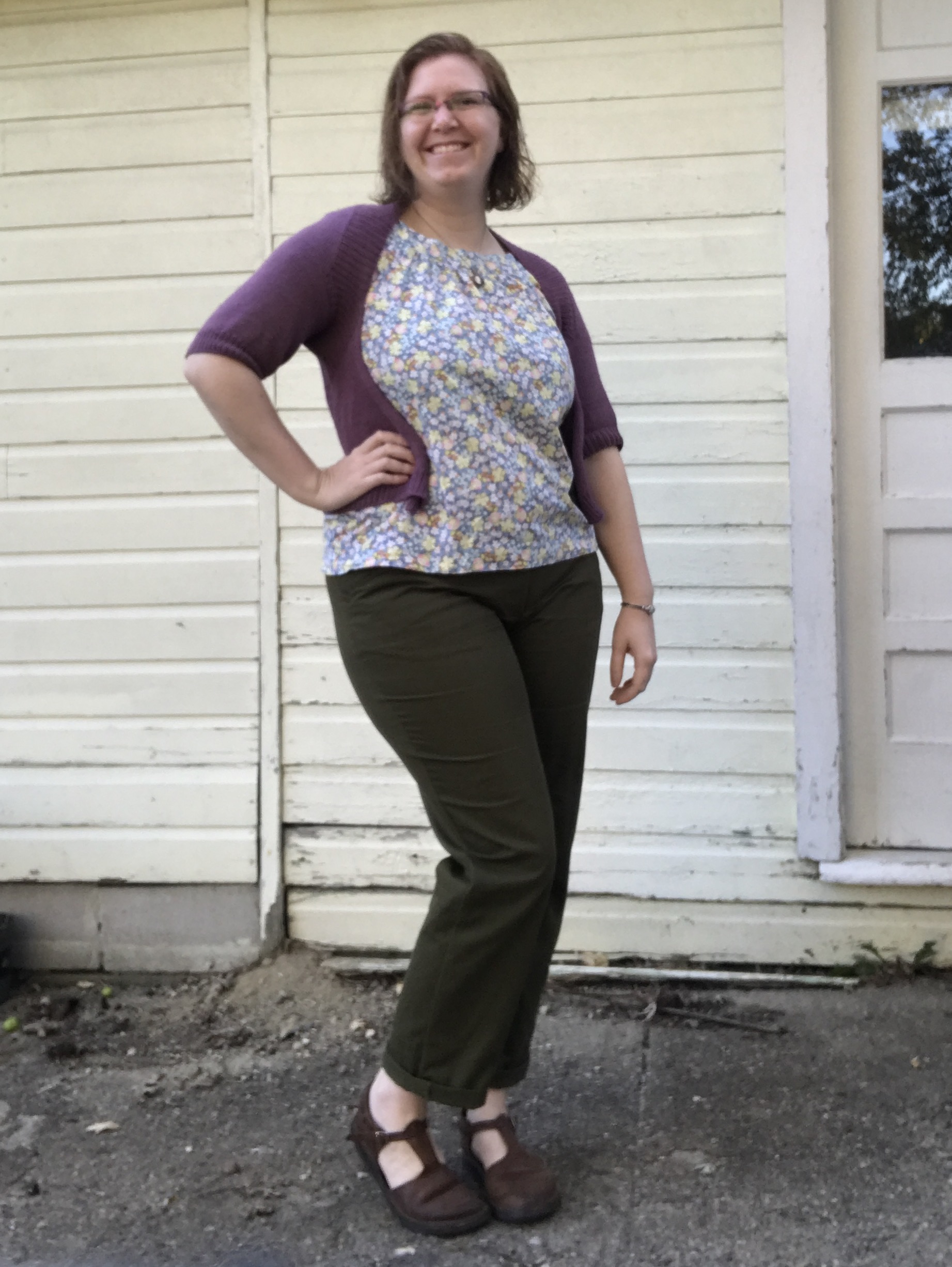
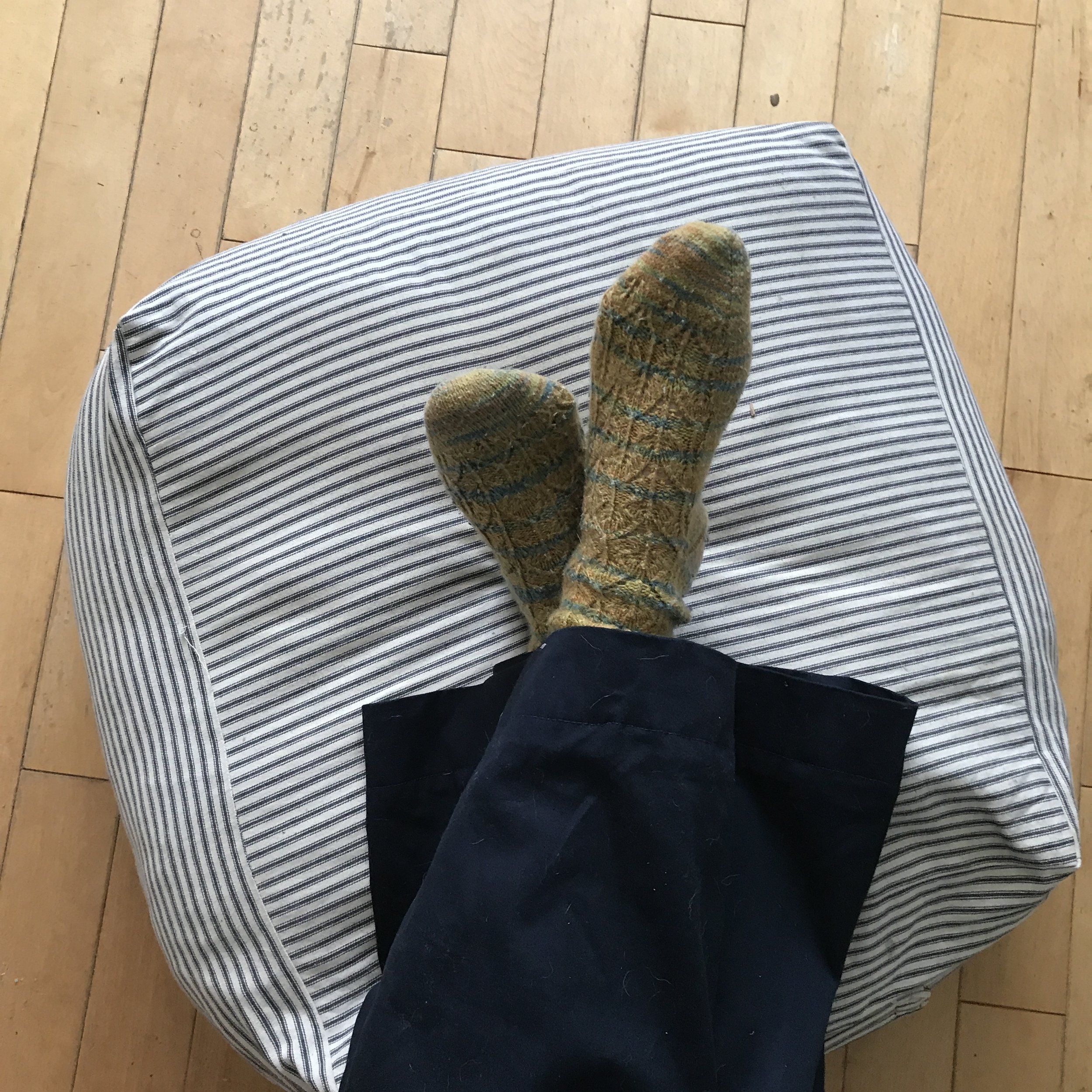
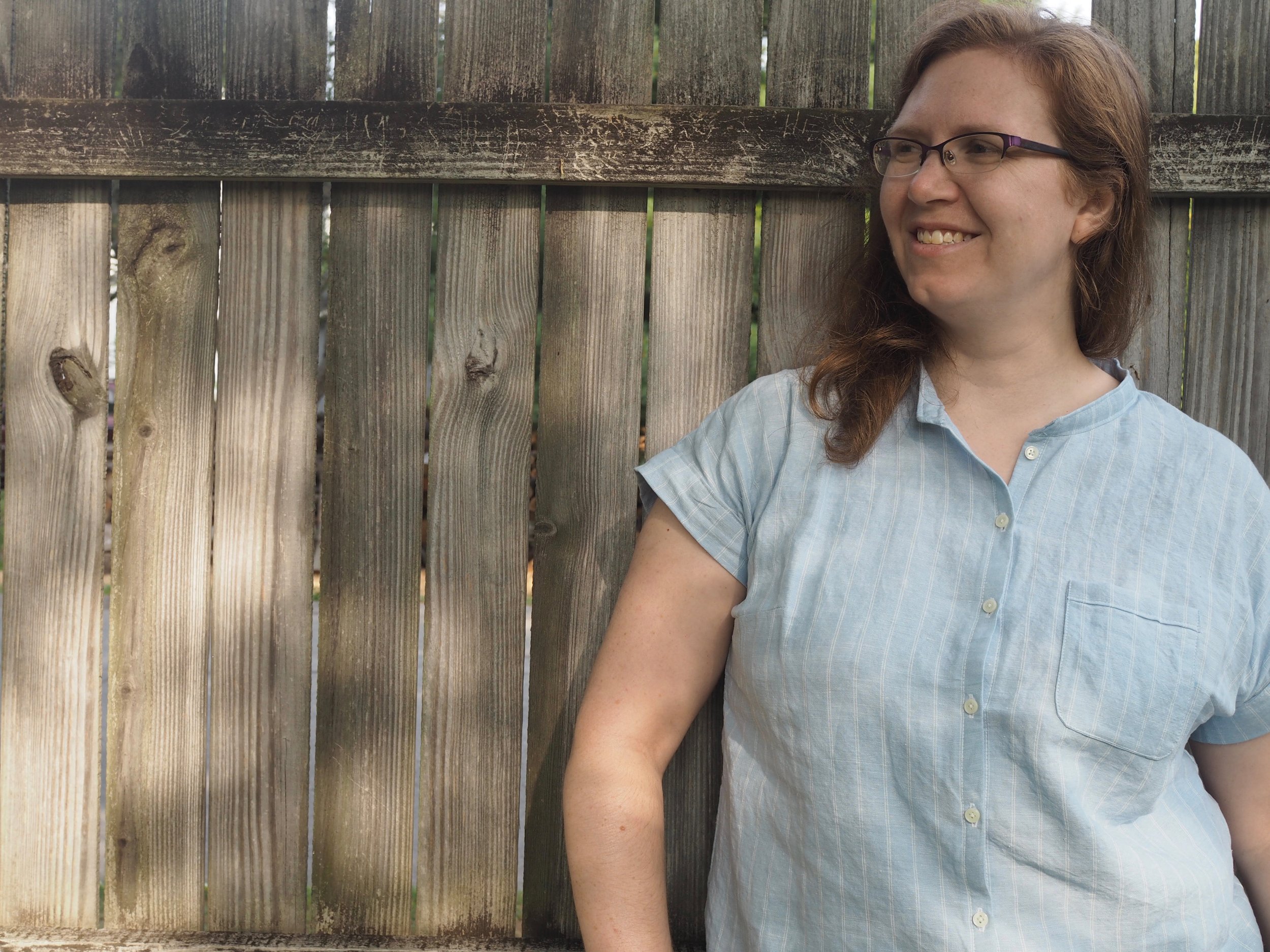
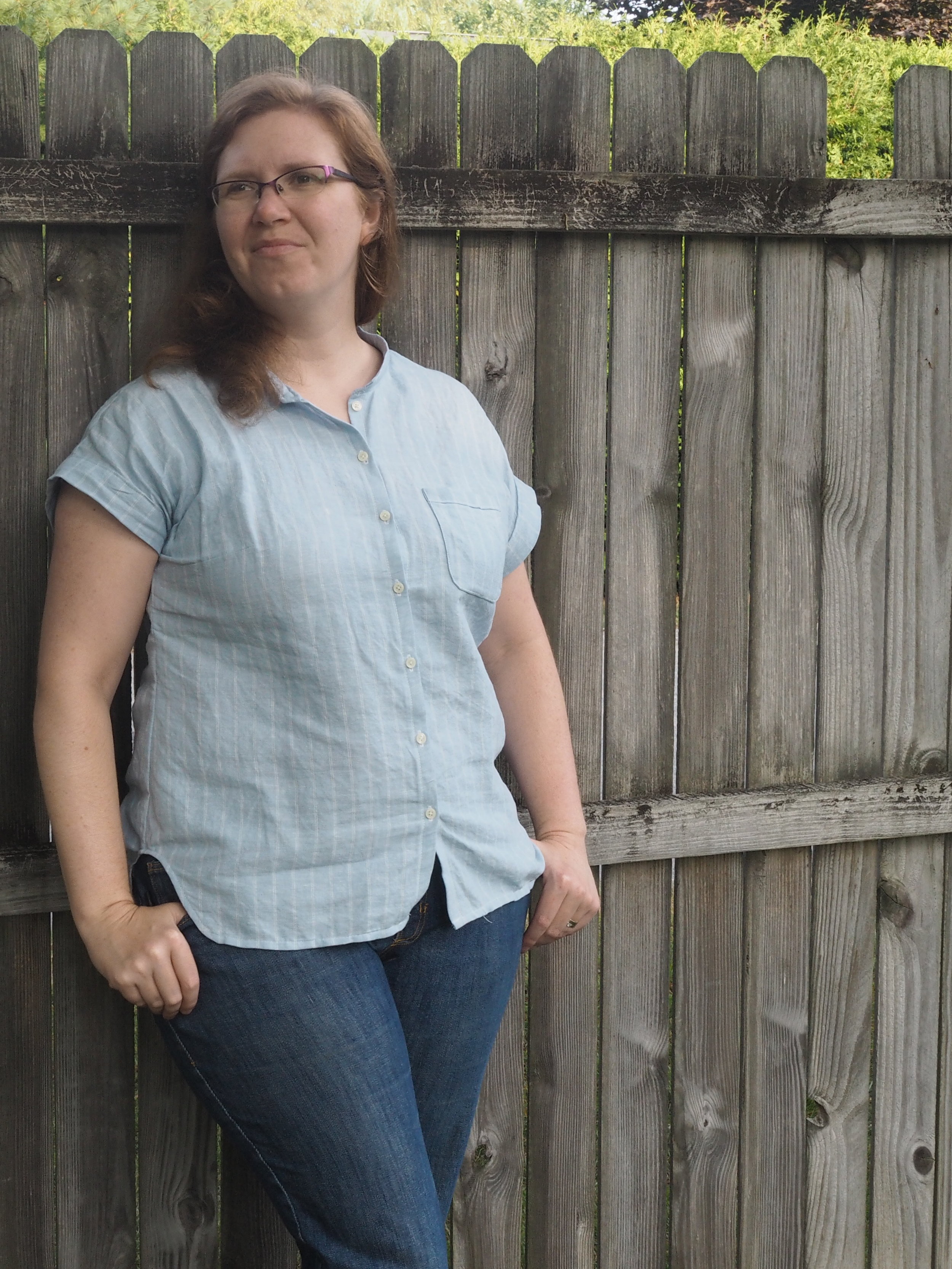
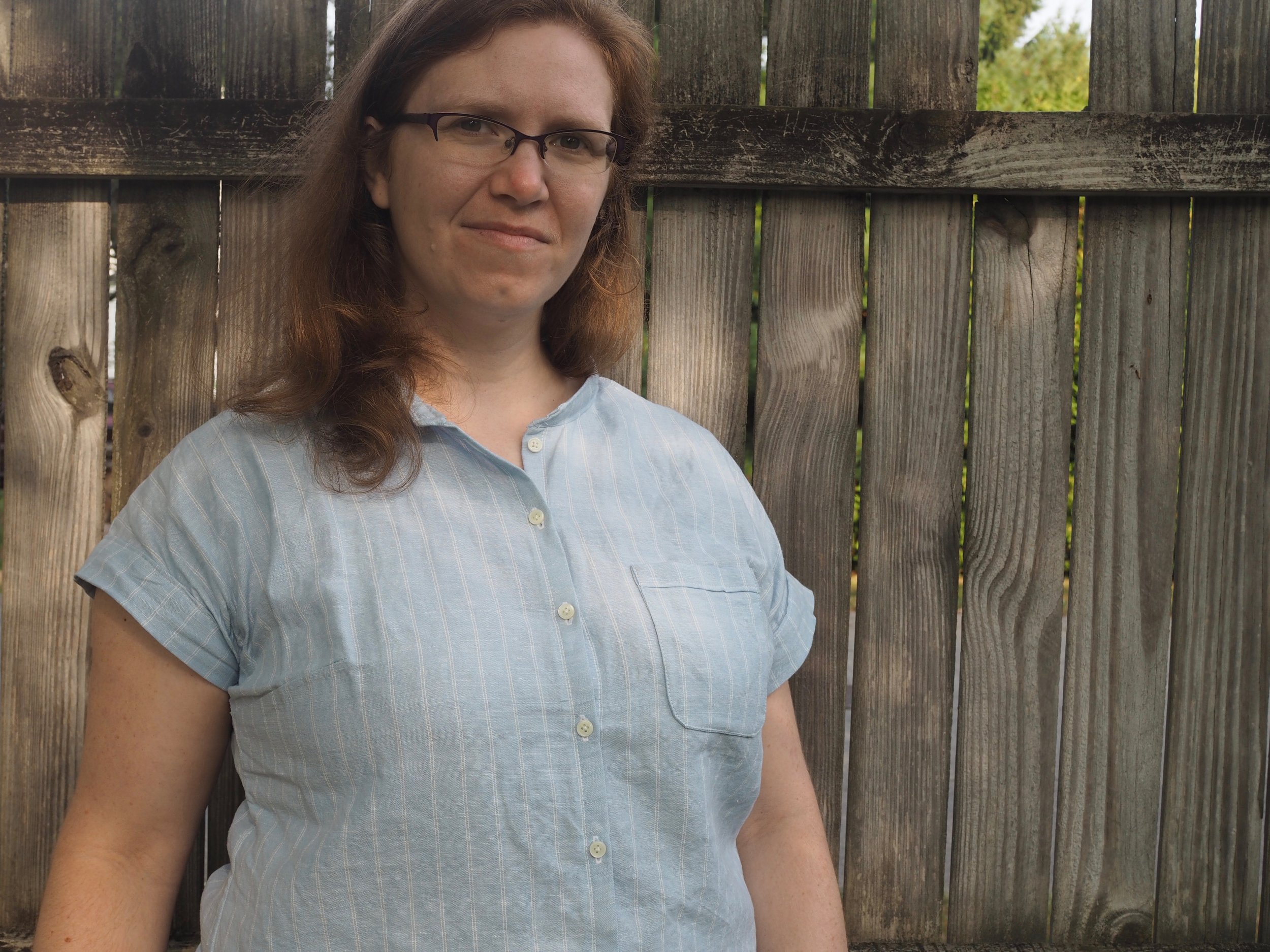
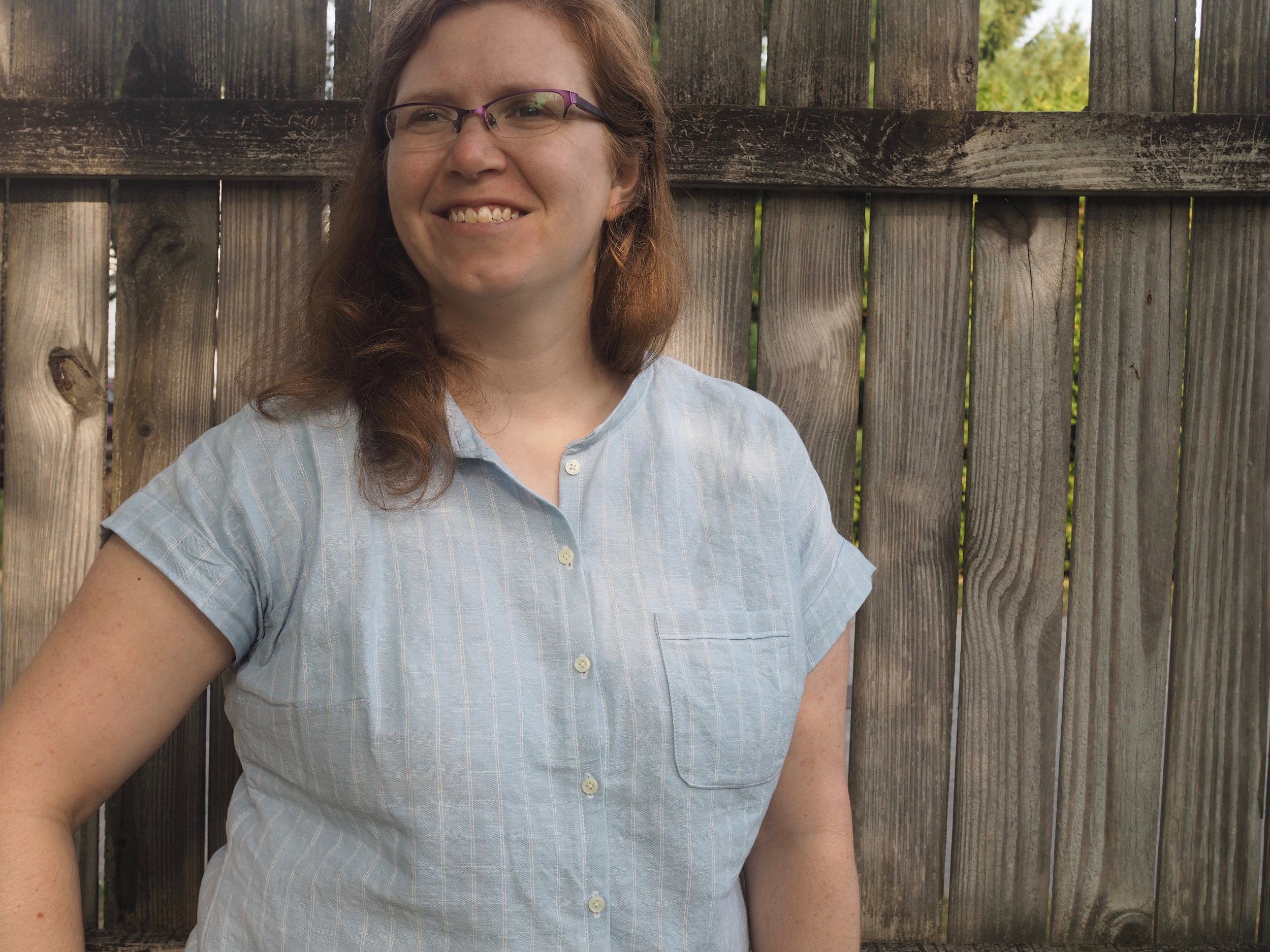
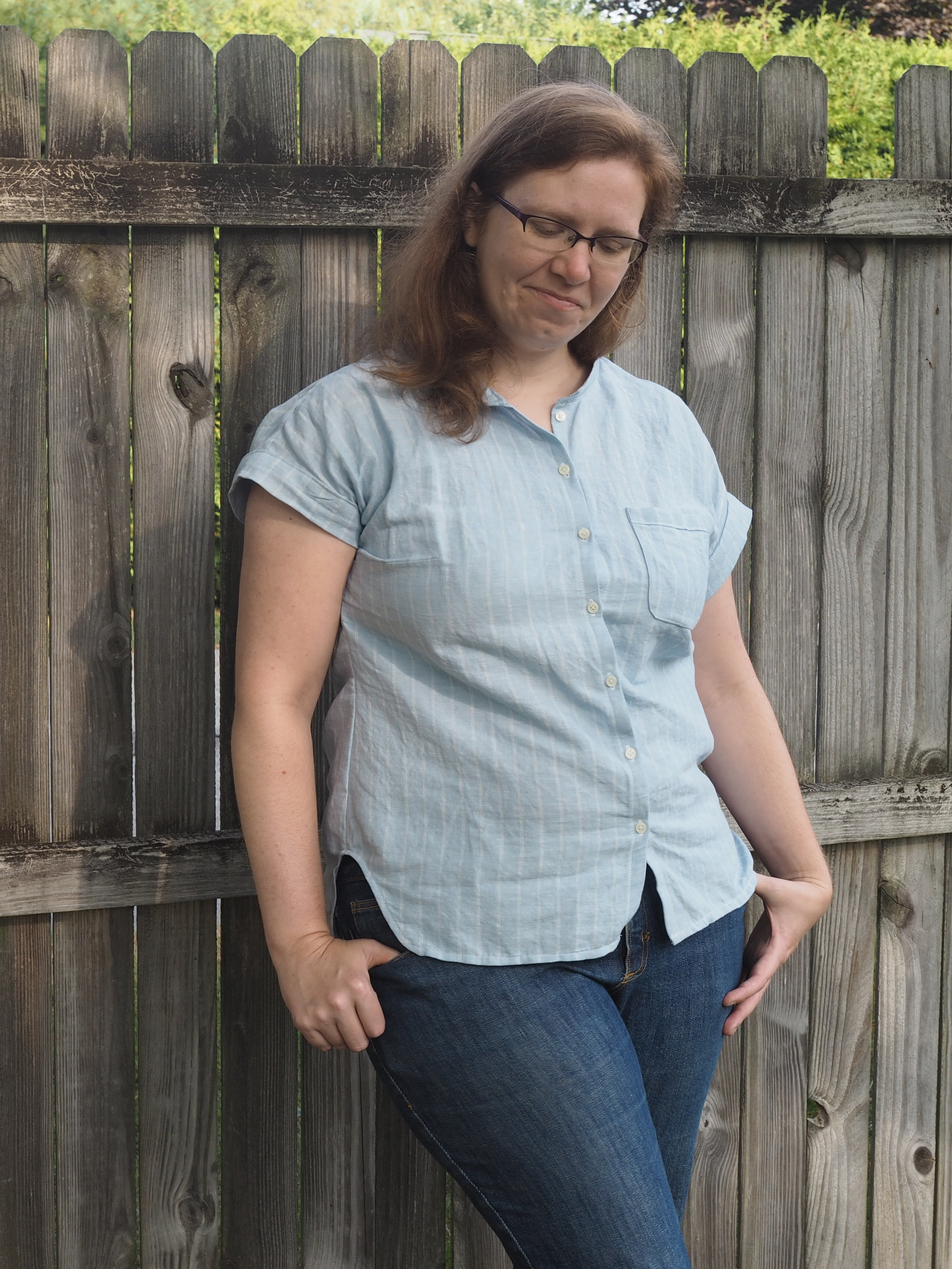
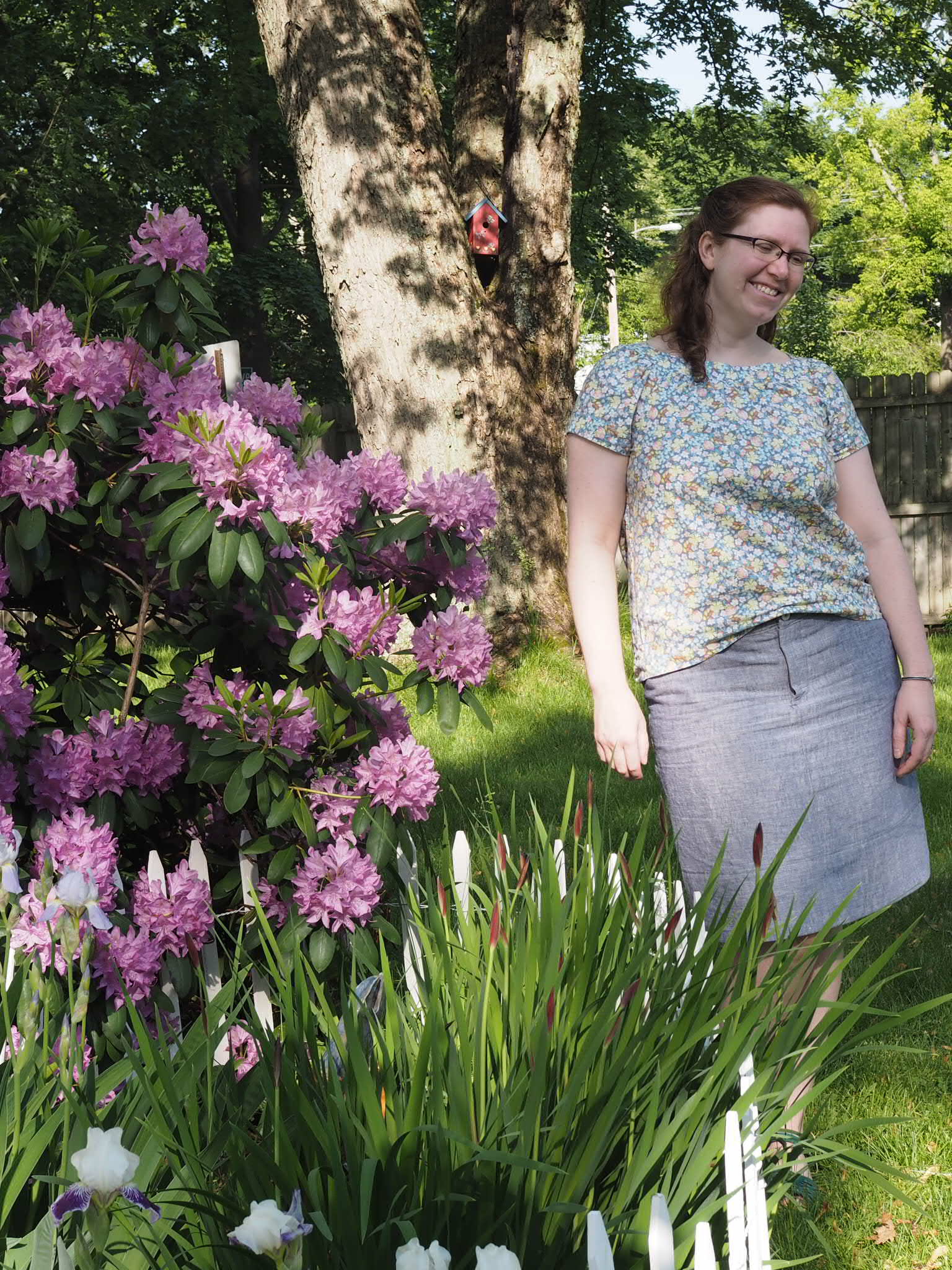
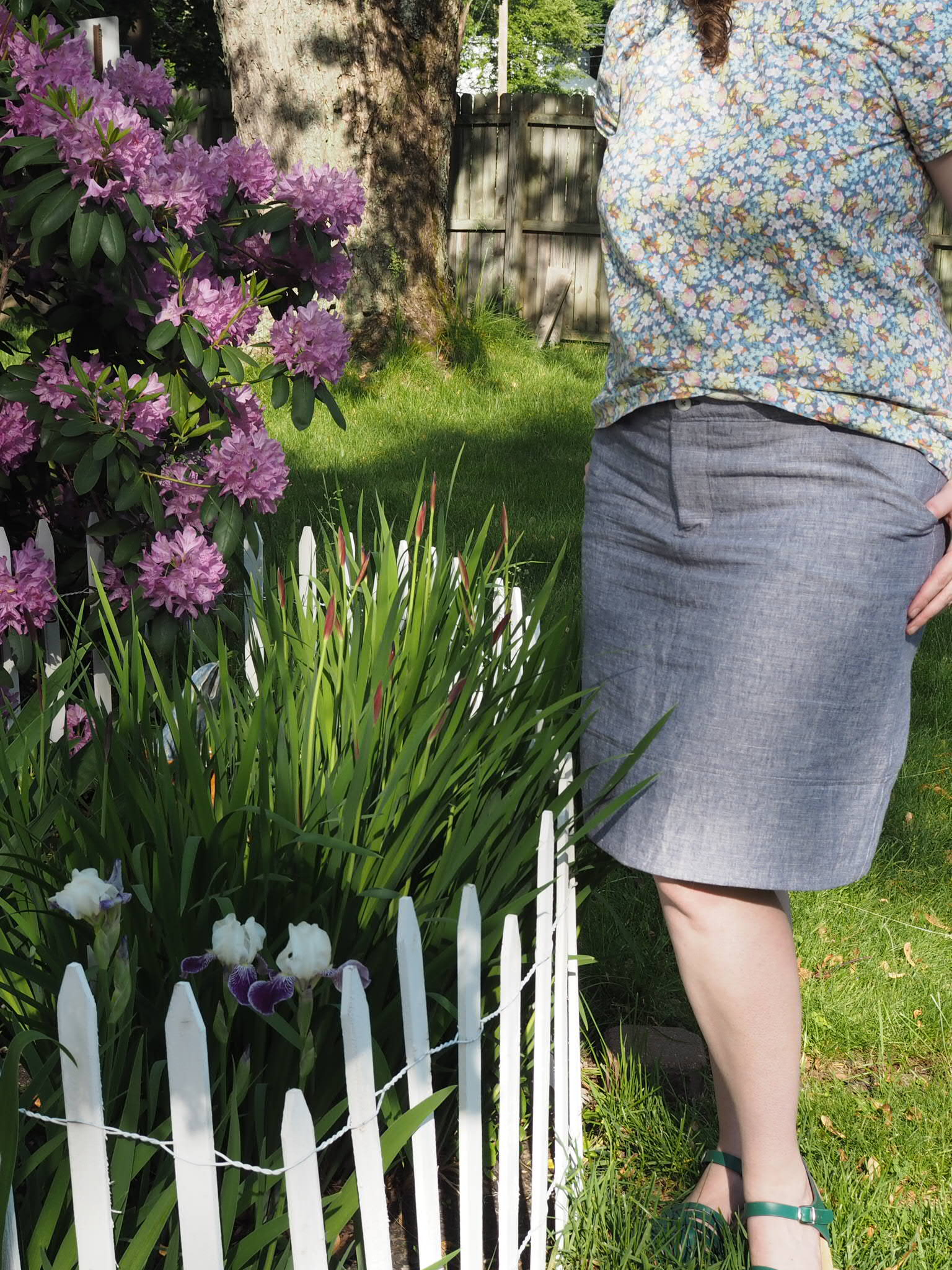
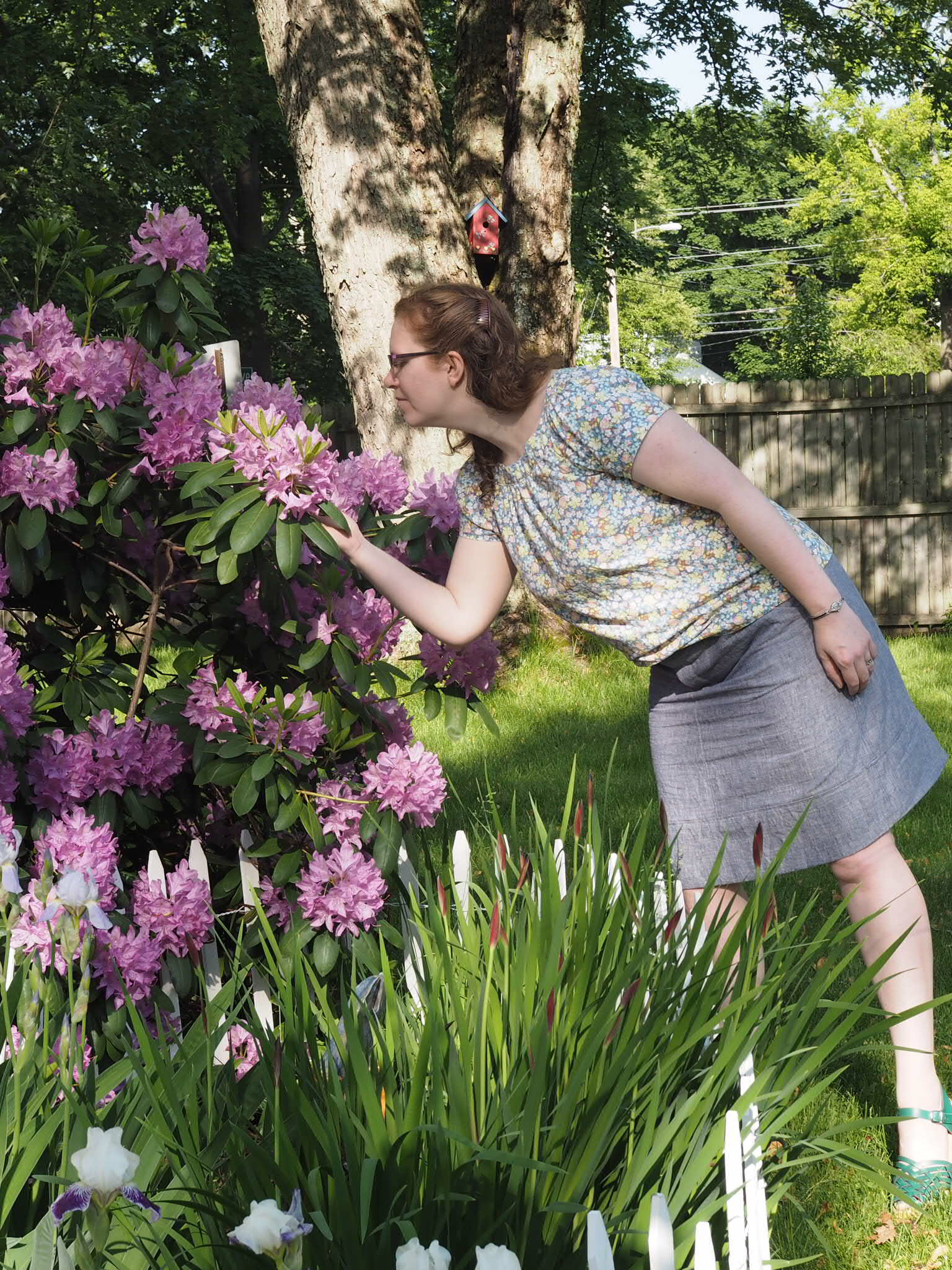
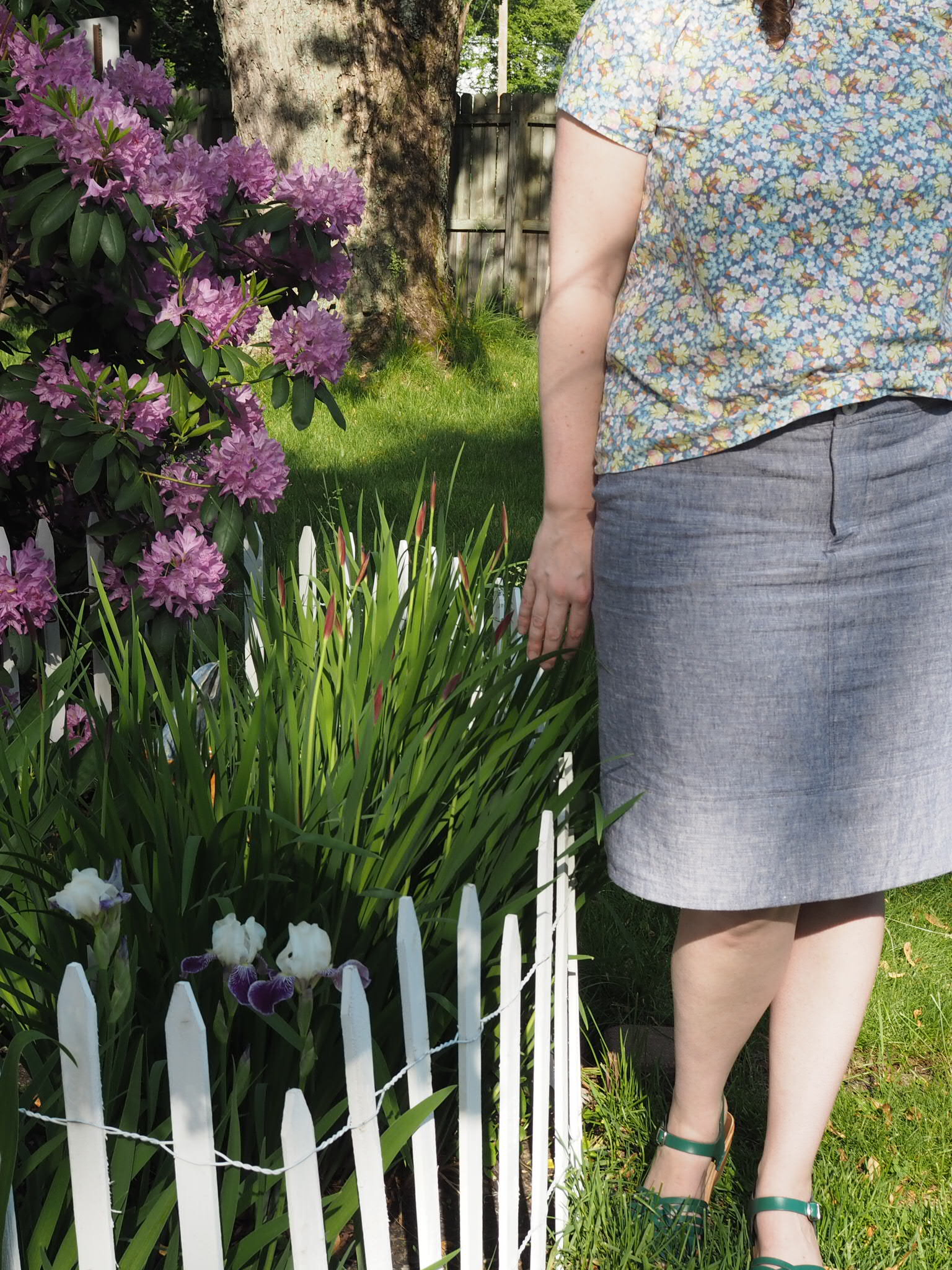
When you have no pants/trousers, two pair that fit is an amazing amount of variety. These photos are of one of those two pairs. The others are the navy blue cuffs you see in the cushion photo. Both are Thurlow Trousers, which I love because you fit the waist band last, making it easy to adjust and they have extra seam allowance built in for just that purpose. I sewed them both in the past month.
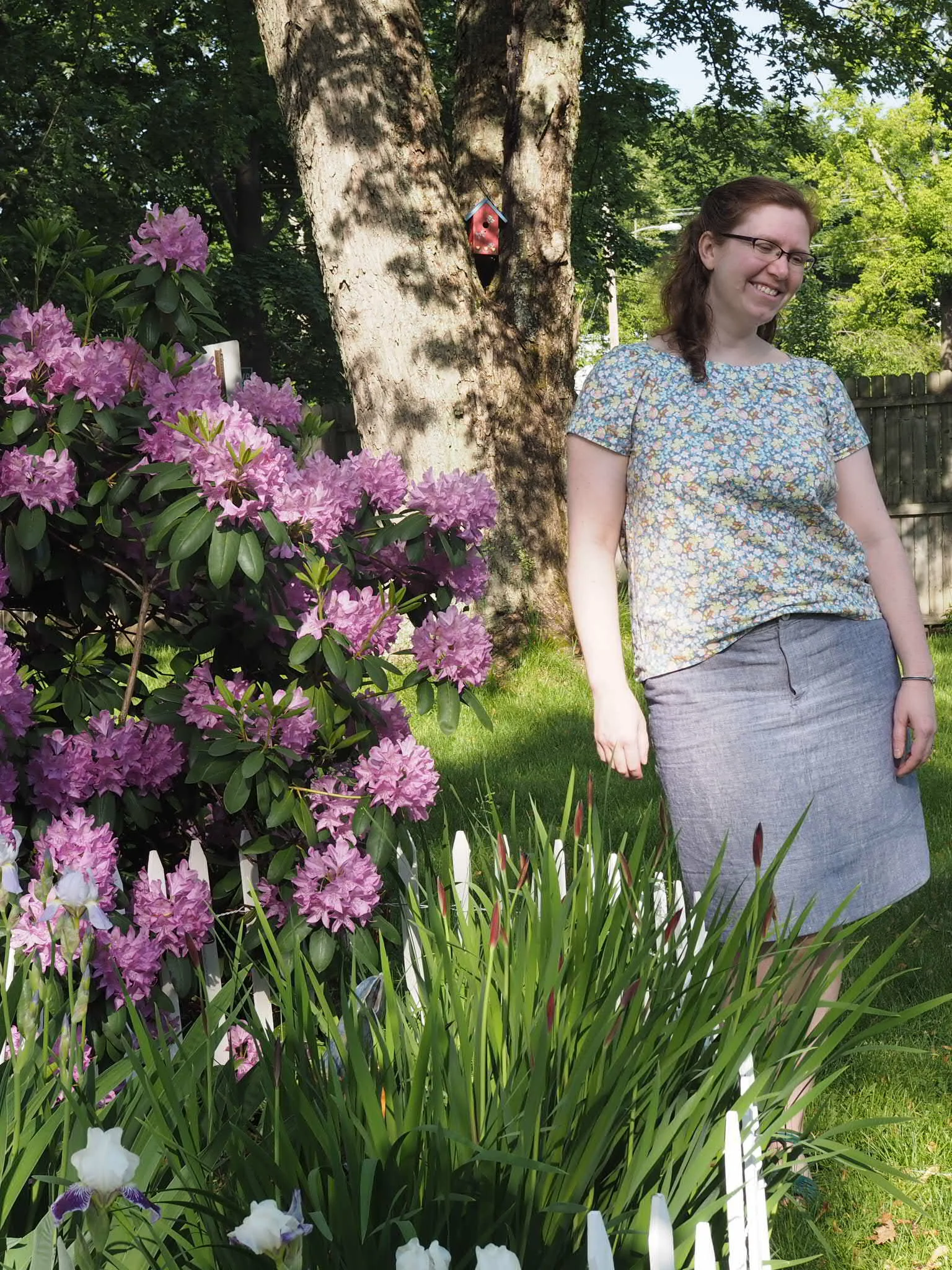
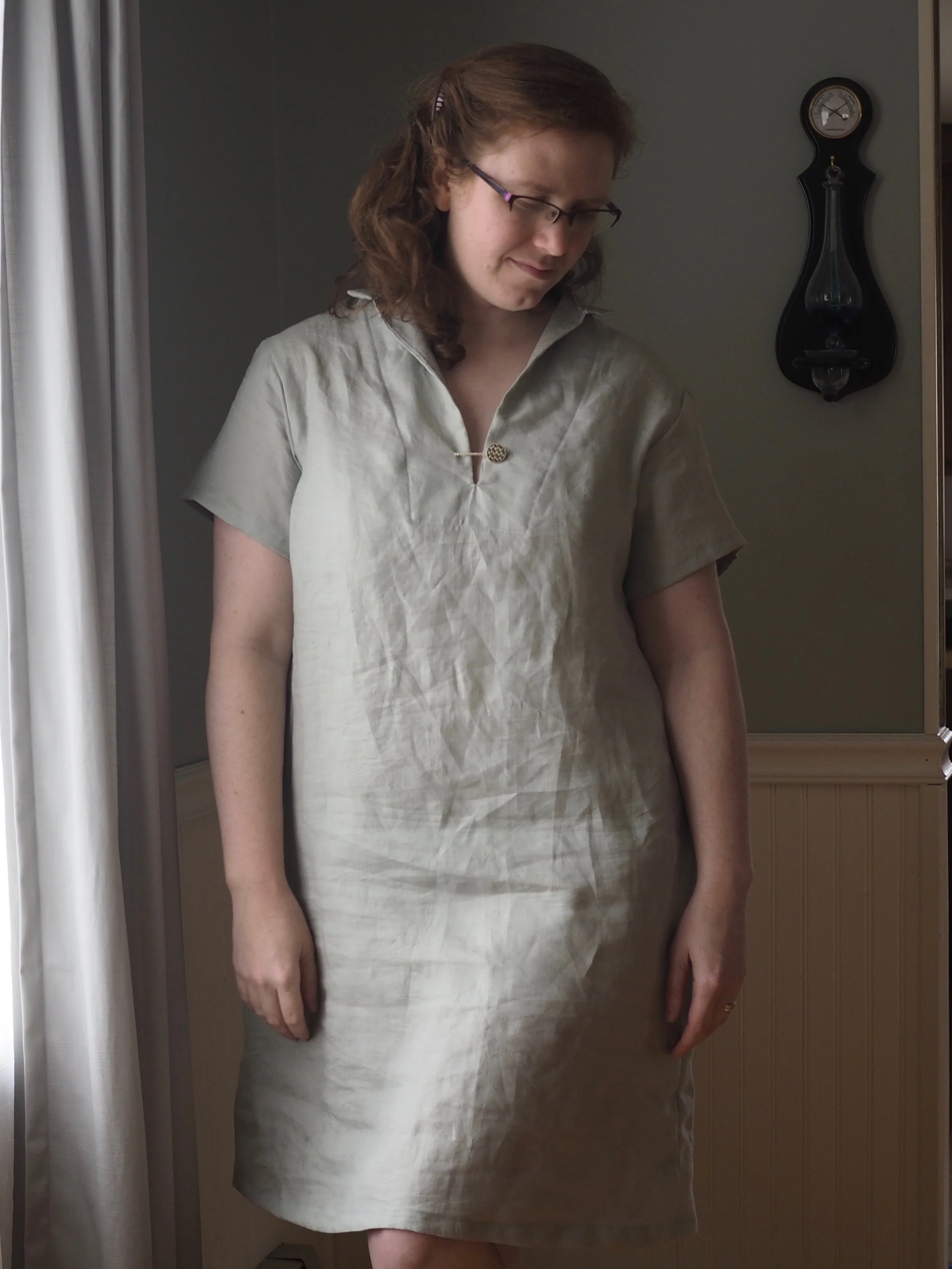
Last week, I cleaned out everything in my closet that didn't fit anymore and put in the pile for donation or (if I loved it) into the attic. That left me with basically a) things I've sewed since April, b) knit dresses, and c) skirts. (T-shirts and sweaters that live in the bureau also mostly made the cut). There's not a lot there, but I know I can wear every single piece of it, and that is an excellent kind of choice.
There are some noticeable gaps - I'd like a grey sweater, a few more work-appropriate long-sleeved shirts, some cords, and pair of jeans that I don't have to fight the zipper on, but it seems like a manageable list. And I know exactly what should be on that list, because of they're the things I hated having to put away.
I realize that I come from a place of privilege in that the limitations are all of my own making and not driven by financial necessity, but I have also found it empowering to know that self-constructed or not, I can work within these limitations.
A Few Other Thoughts on Sustainability
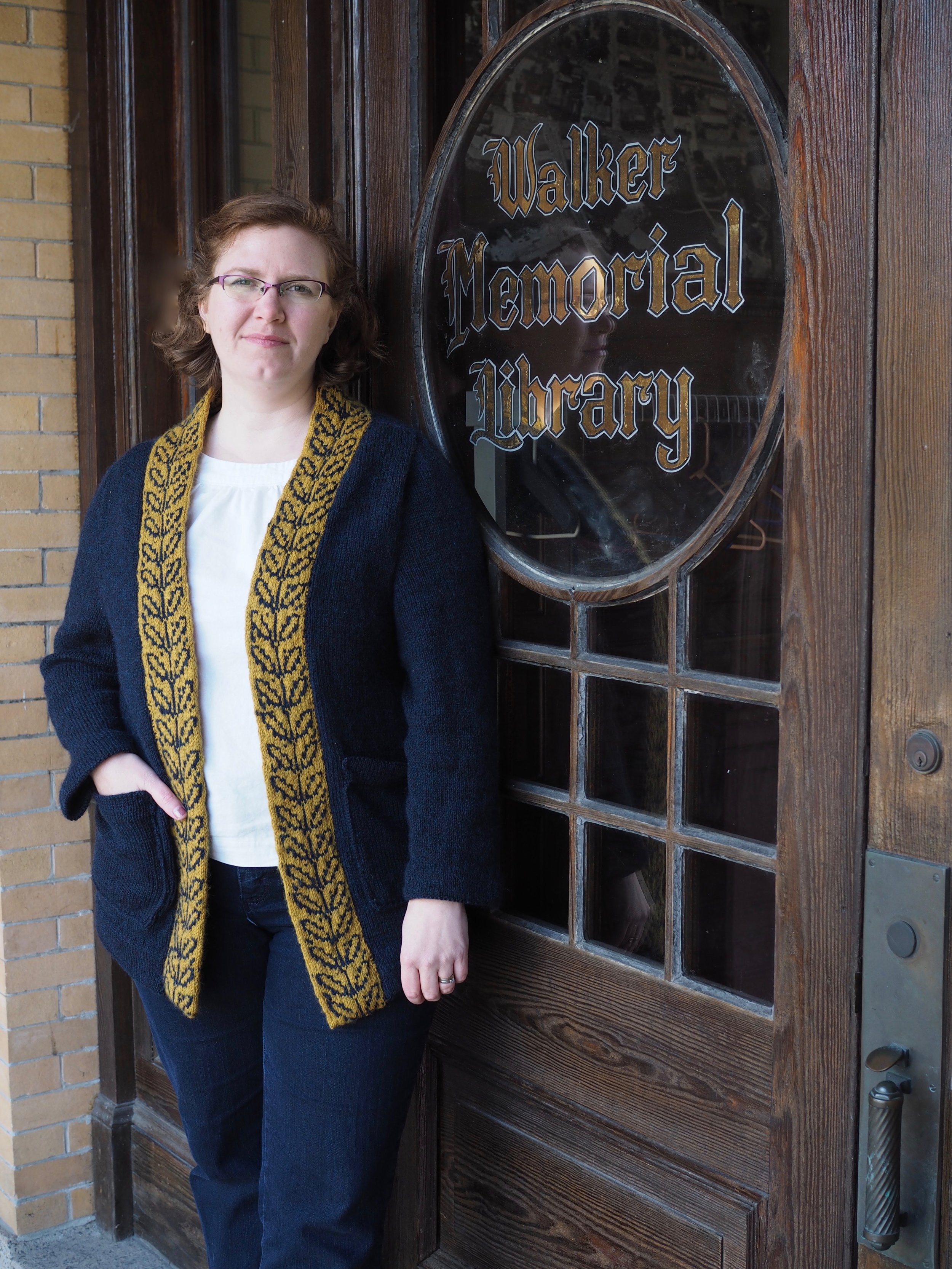
Though I'm definitely "From Away" and will always carry my California Girl upbringing in my heart, I have been accused more than once of having a "pioneer woman" and/or Yankee sensibility when it comes to 1)asking for help, 2) hard work and 3) waste.
I always feel awful about throwing away fabric, so I don't.
I have saved literally every scrap of fabric leftover from cutting out a pattern for six years, or at least since we moved into our house in 2011.
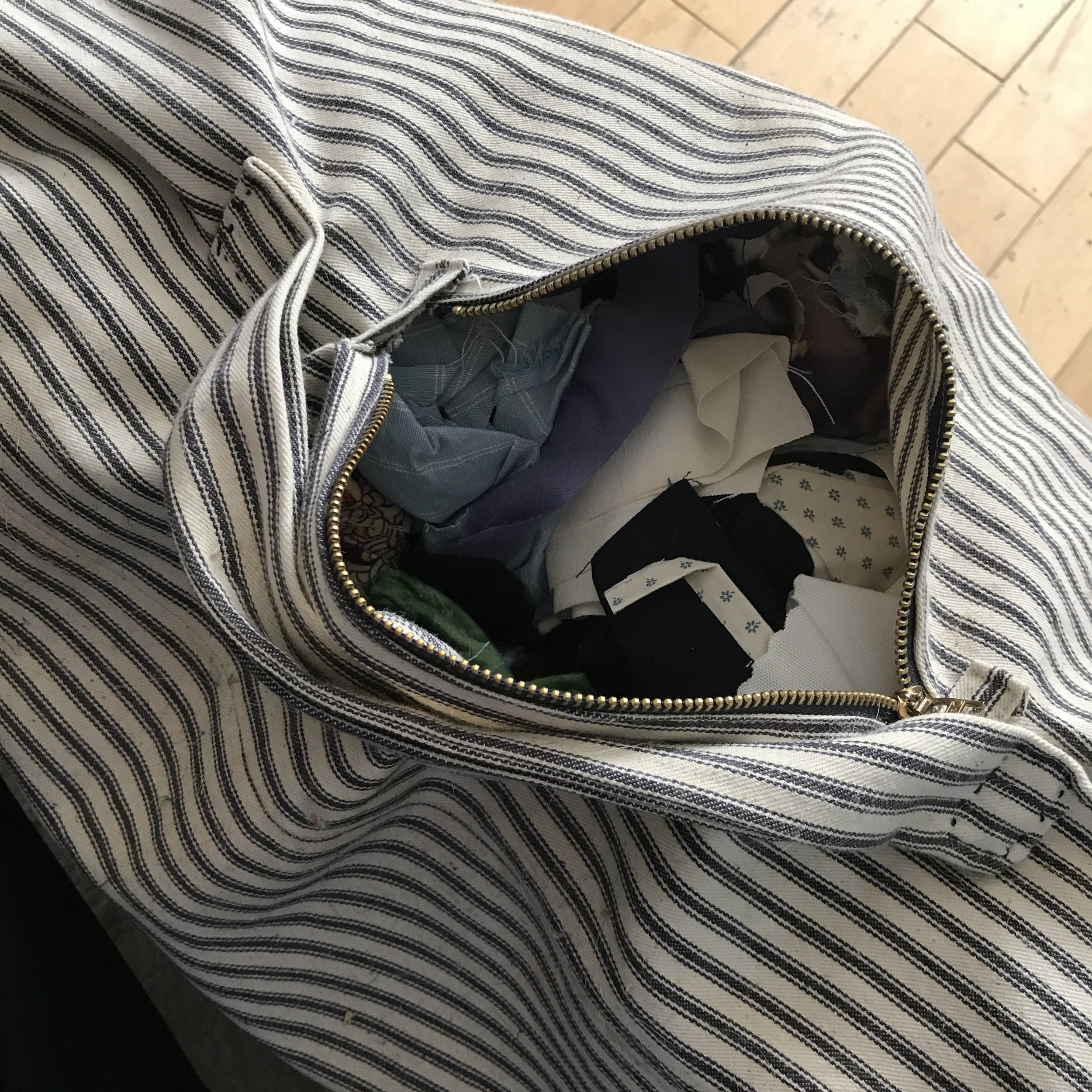
Those scraps, along with all the old knitting swatches I don't need anymore, and a few pieces of sofa stuffing our dog ripped out, filled about 5 gallon-sized Ziploc bags in my closet. A few months ago, I sewed up this rather comfy floor cushion and stuffed it with those scraps. It's super heavy, but worked great as a footstool. The funny thing is, I had to make the cushion with a zipper, because there is still room for more!!
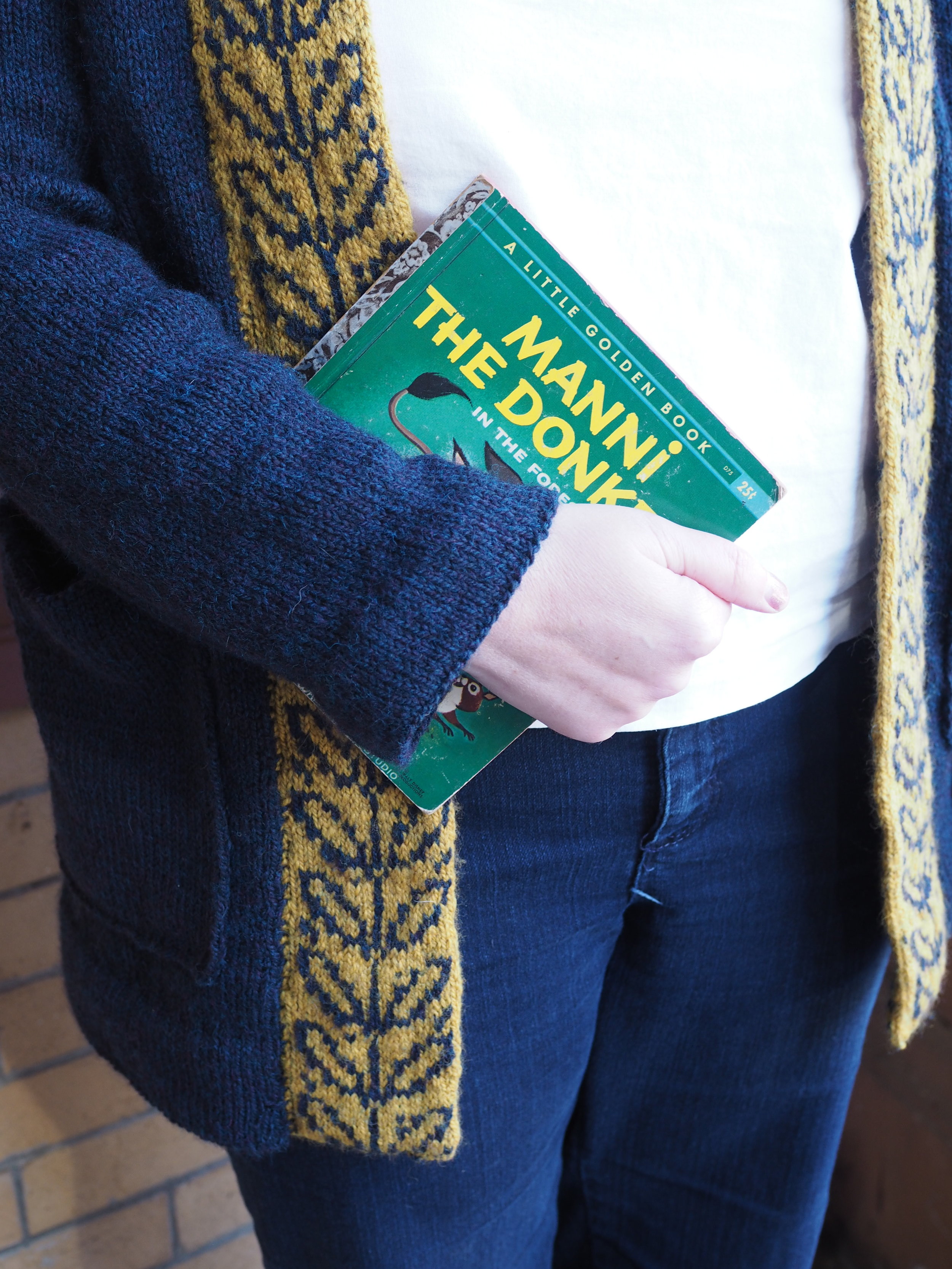
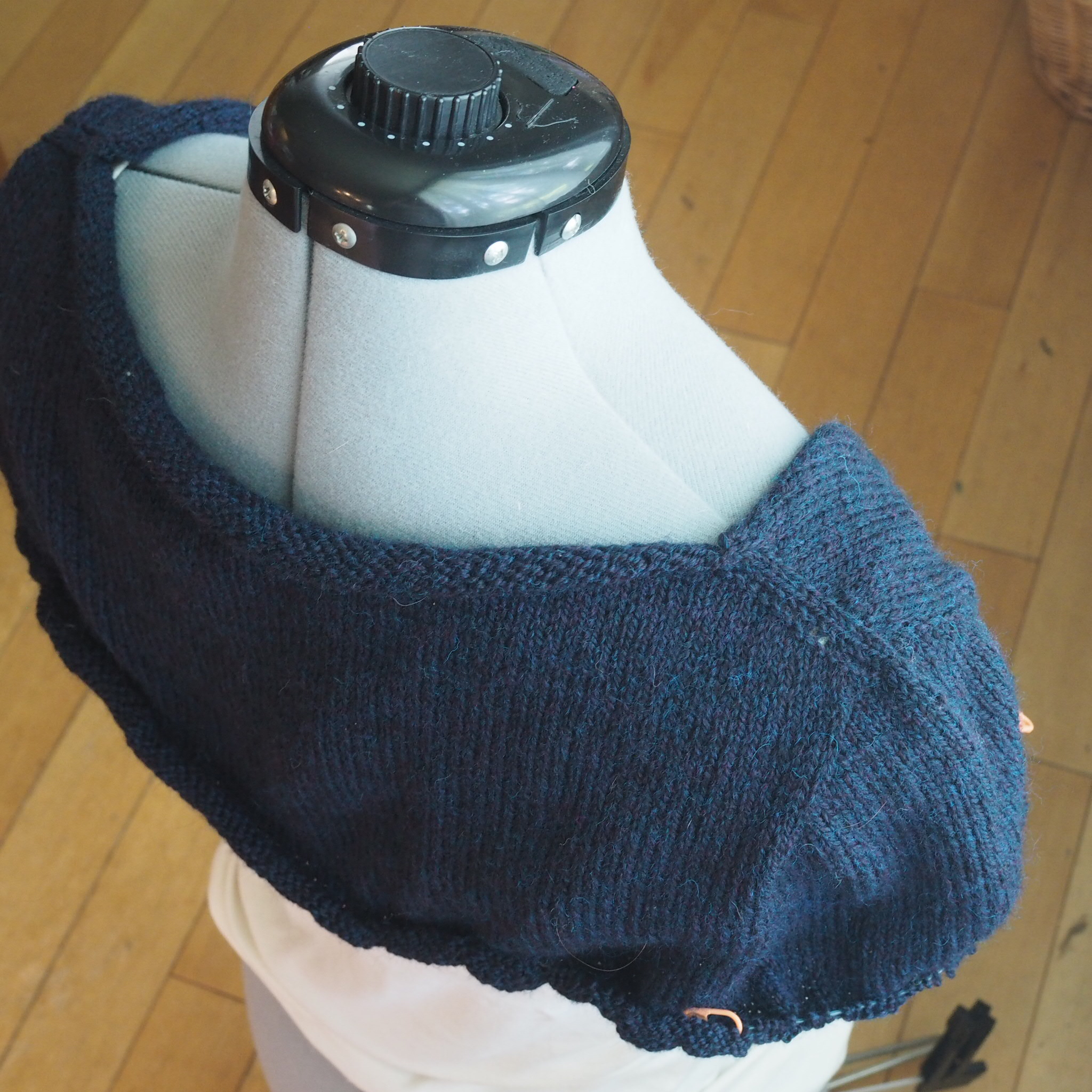
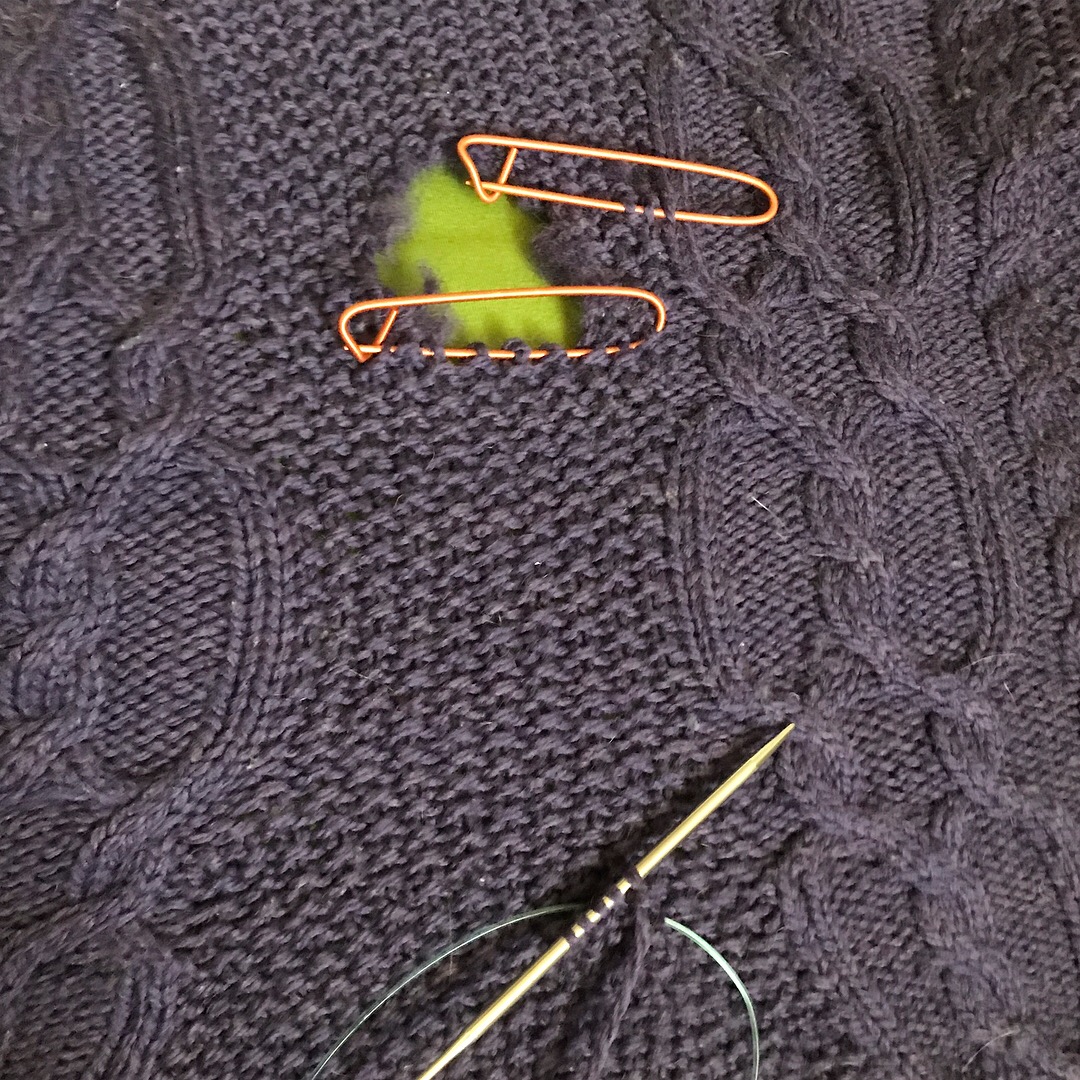
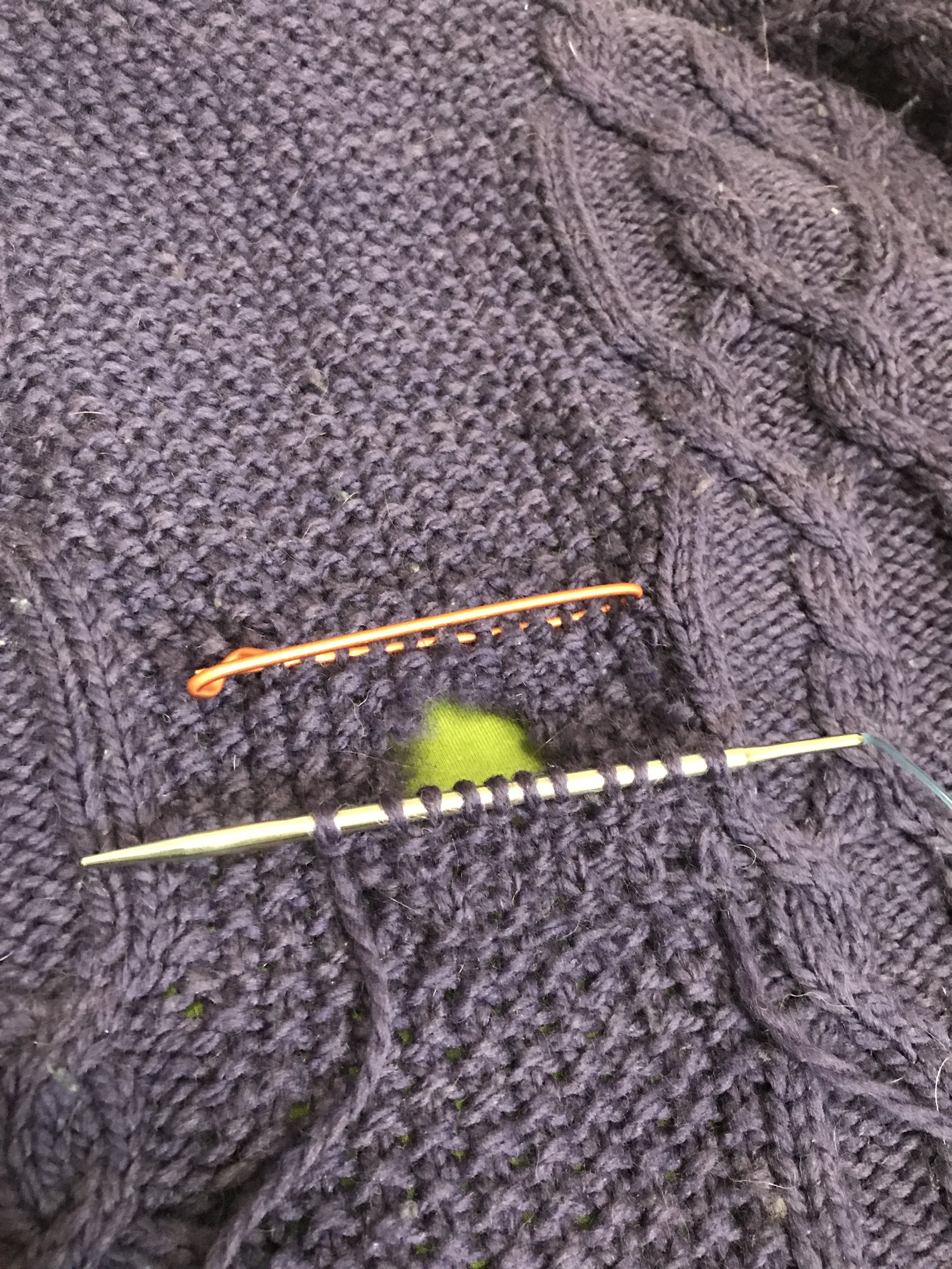
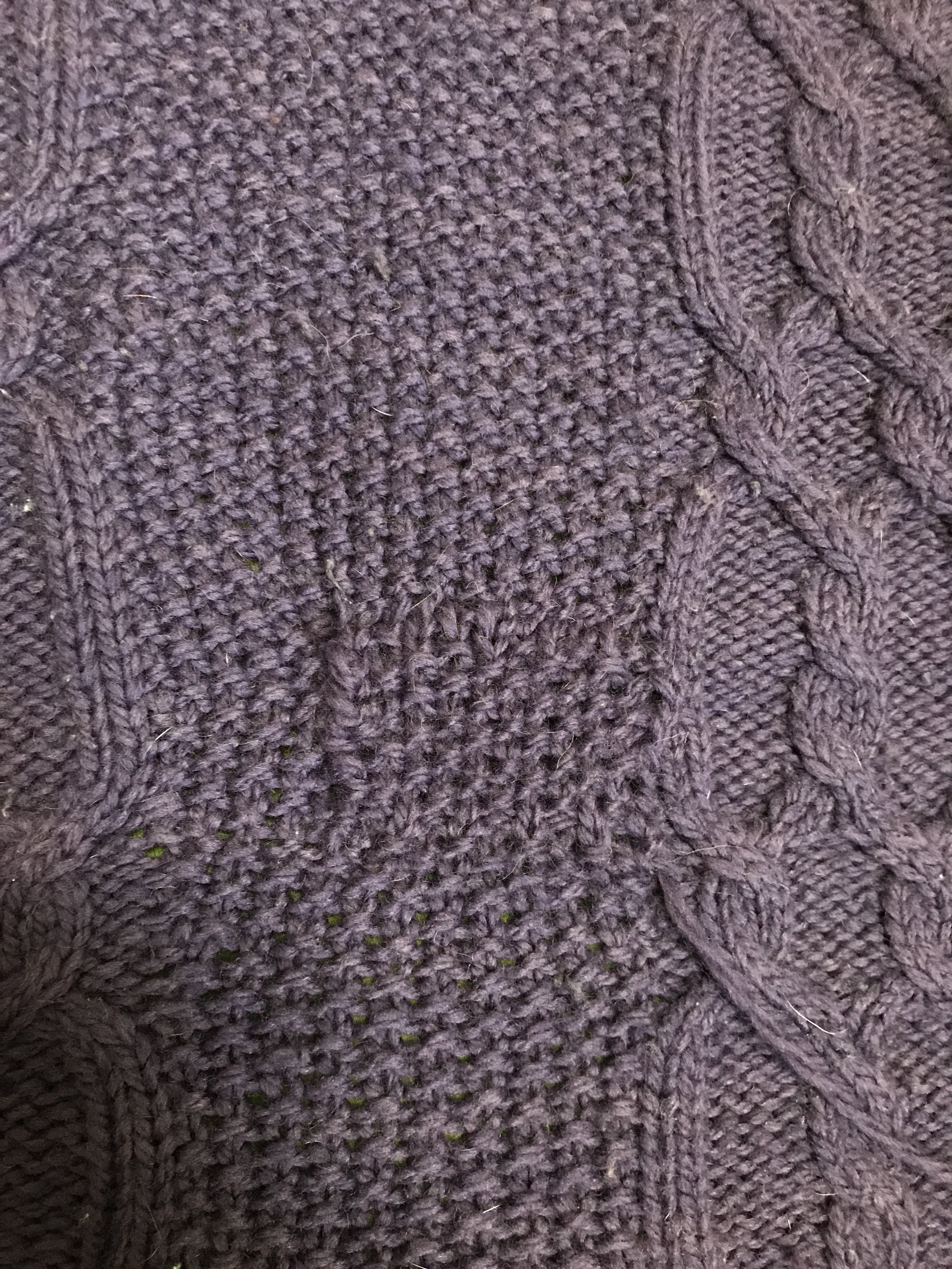
I was also faced with a dilemma when I did that closet clean-out and found a mouse (yes, ick!) had eaten several very large holes in a cardigan that would have otherwise still fit. Do I rip out the zipper and give it up for a lost cause, or can I fix it?
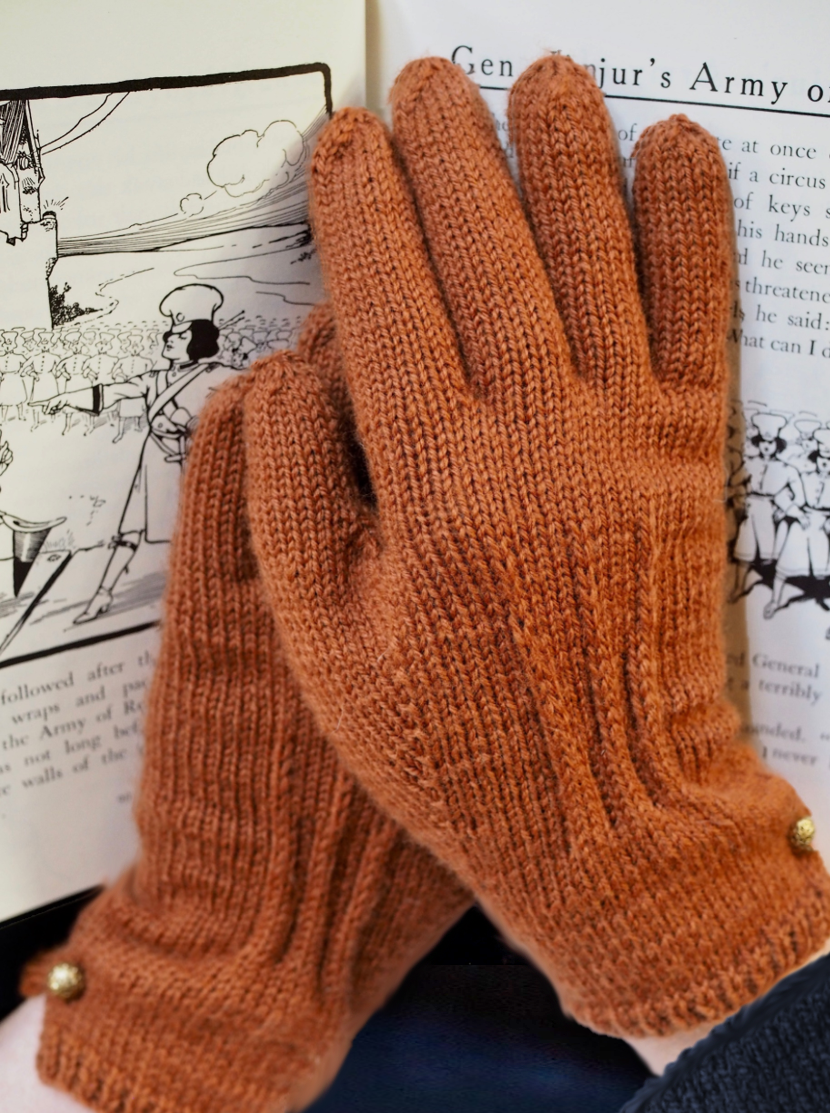
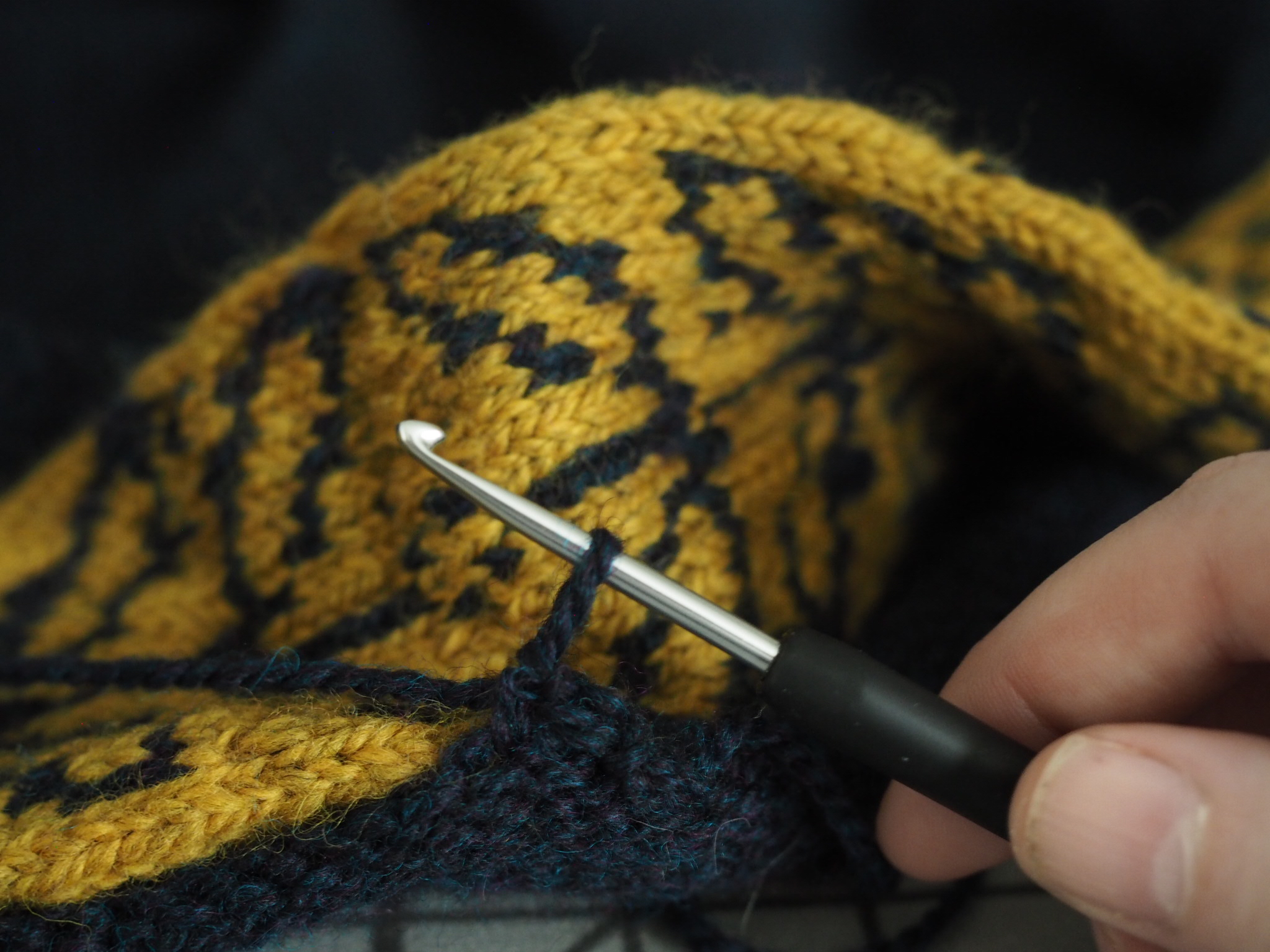
Even though I knit this sweater in 2010, I still had some of the yarn around, so I decided to give the mending a go. Should you be up for trying the same, here's my methodology:
For large holes like these, I go down to the row beneath the first intact row under the hole and pick up enough stitches that there's 2-3 extra stitches on either side of the hole. From there, I knit back in forth in pattern, attaching it to the body by knitting two stitches together (one from my patch and one from the body) on either end of the patch, then Kitchener stitch the top together.
It took me about 30 minutes to fix the two large holes, which considering a sweater takes weeks to knit up in the first place, was a pretty fair trade off. The key, I think, was to do it right away, (I fixed it the day after I found the holes) because once it goes into that mending pile, I seem to never really get around to it, making me question its importance in the first place.


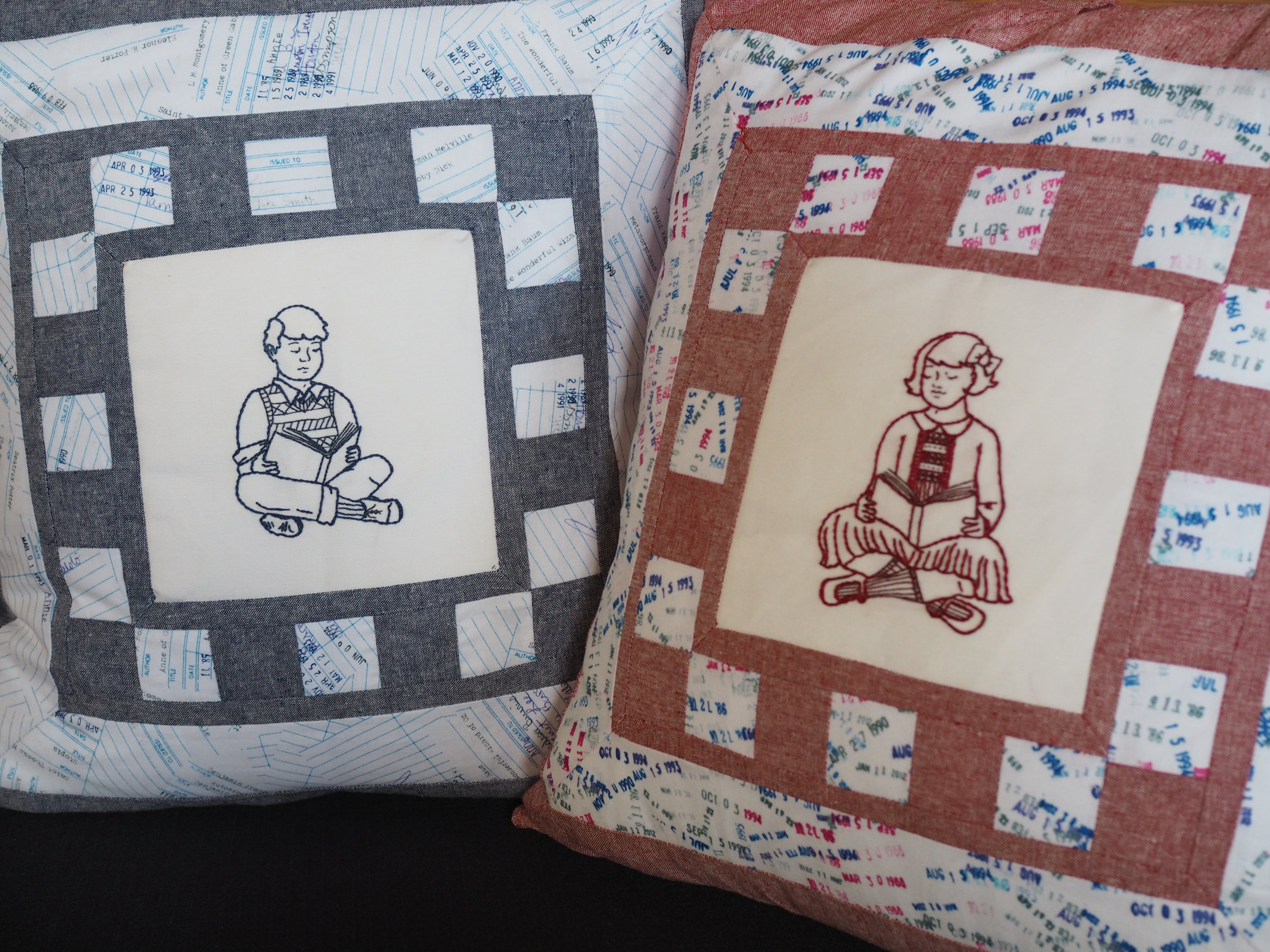
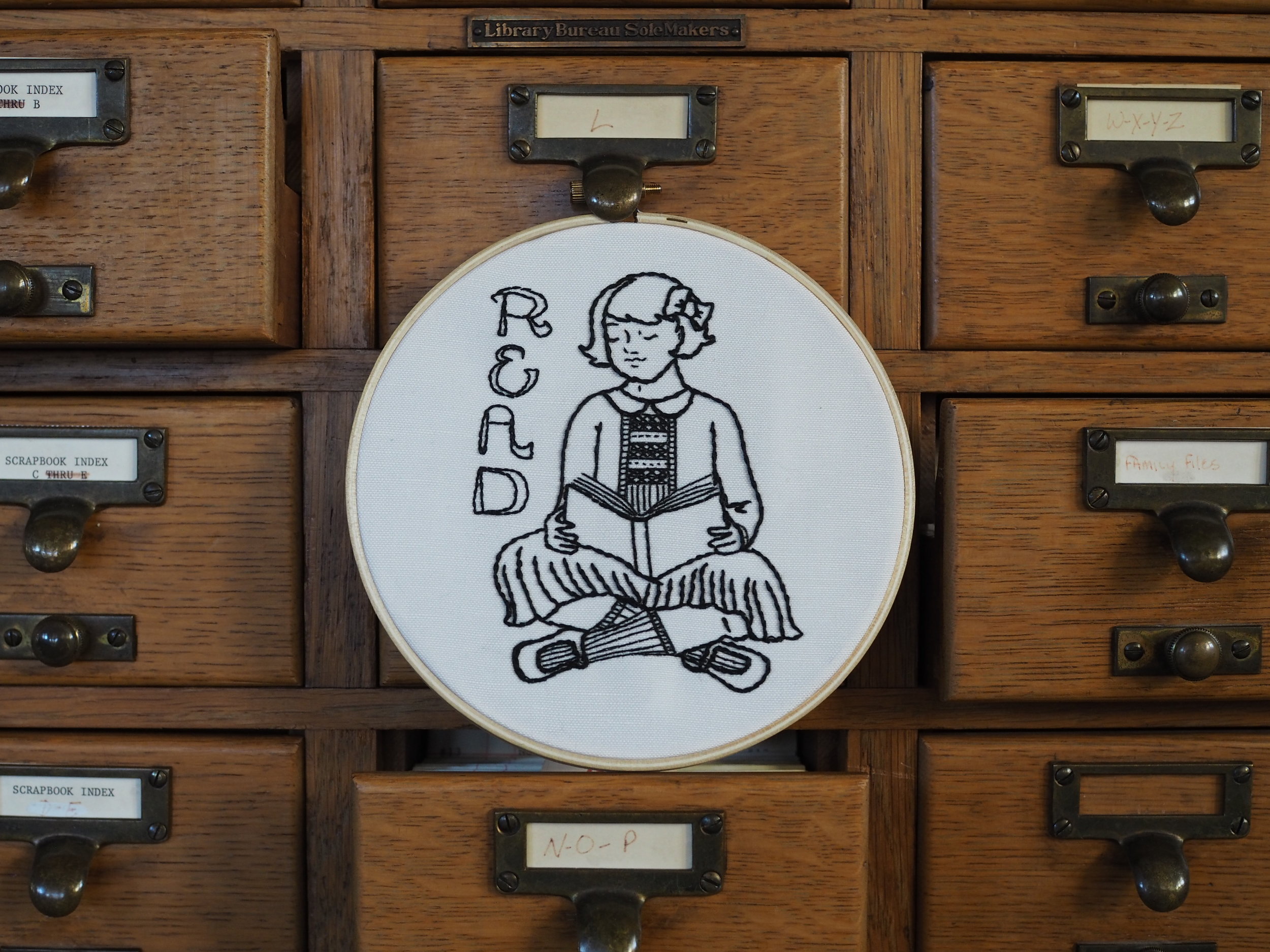
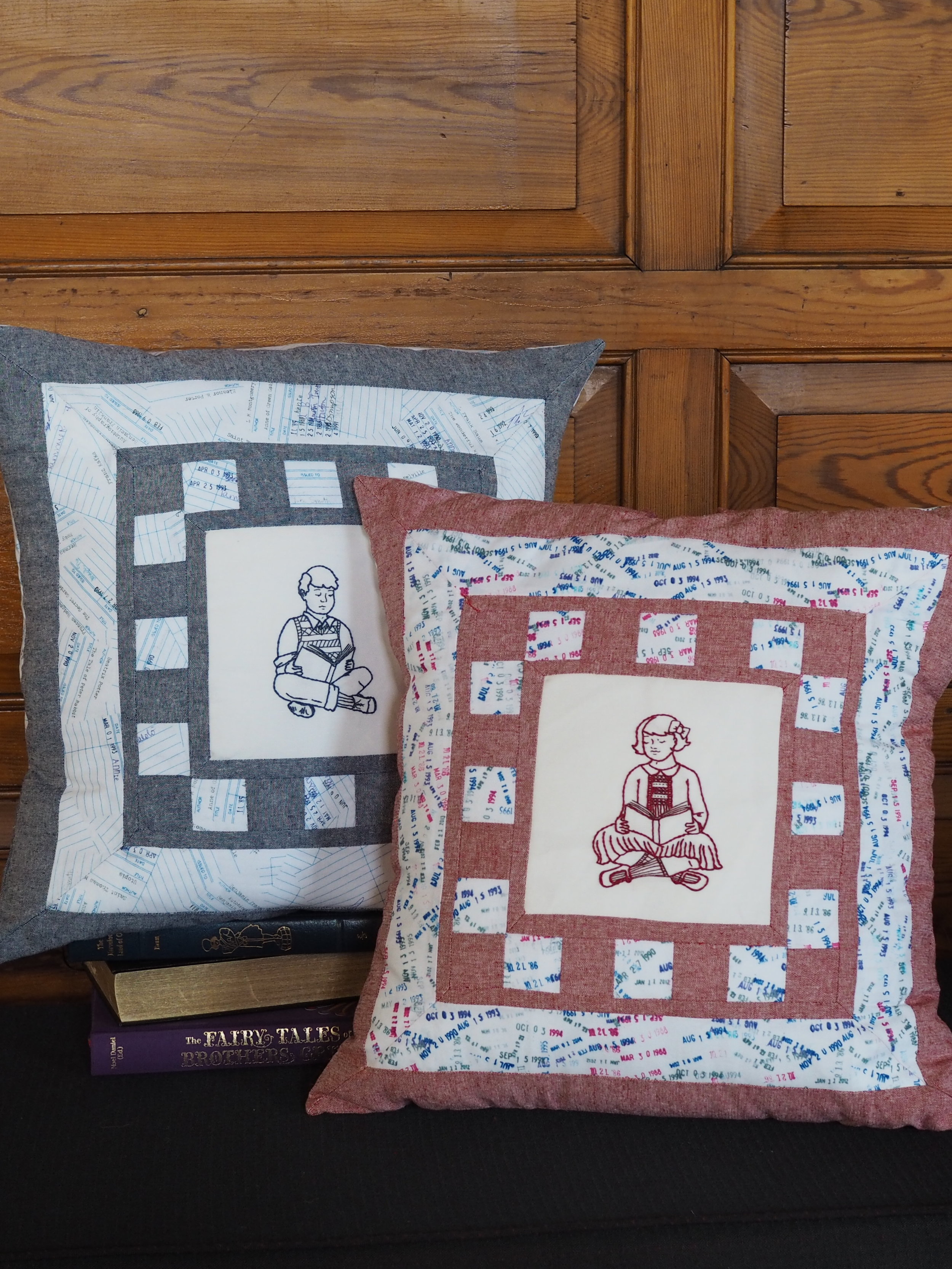
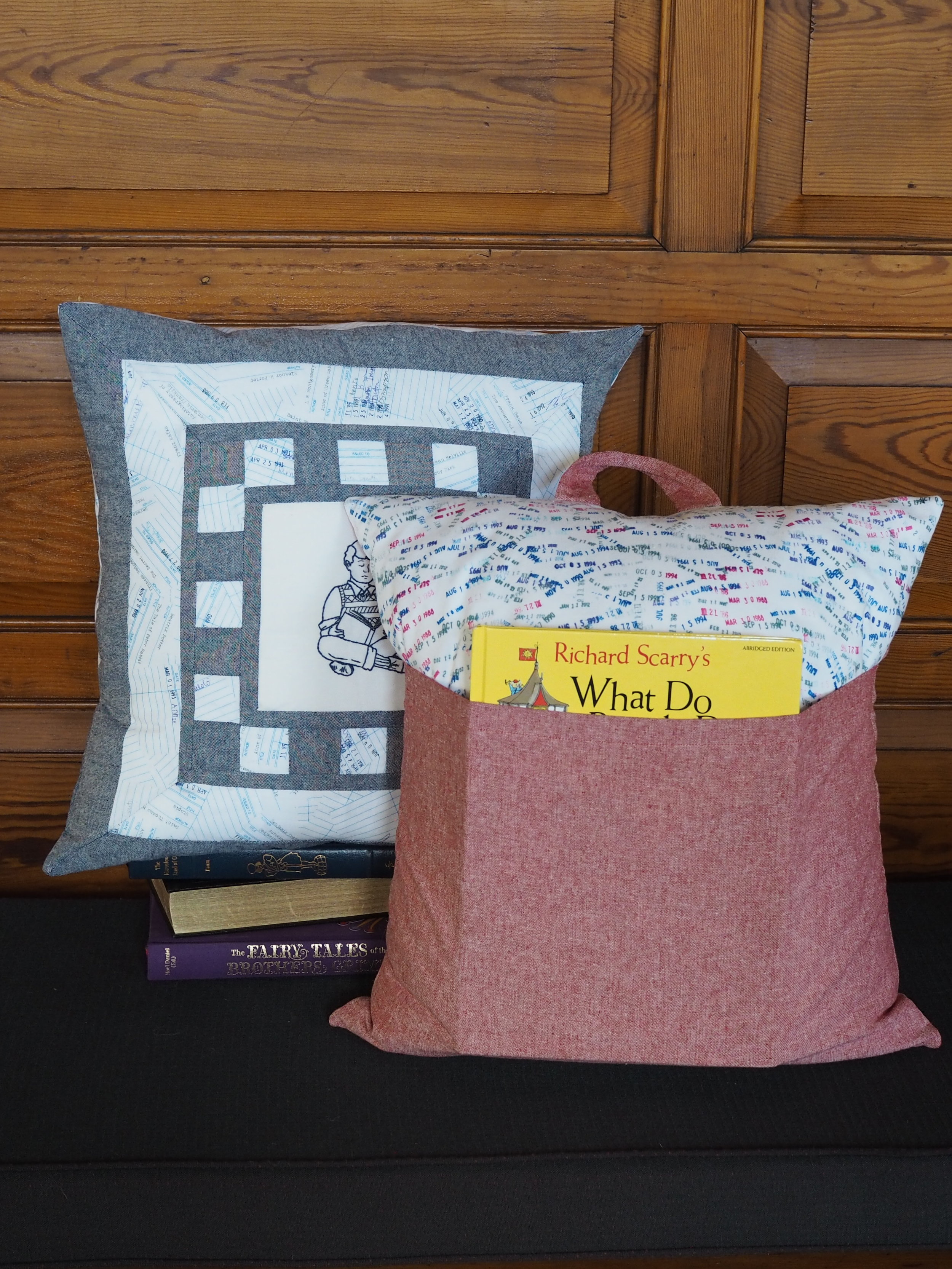
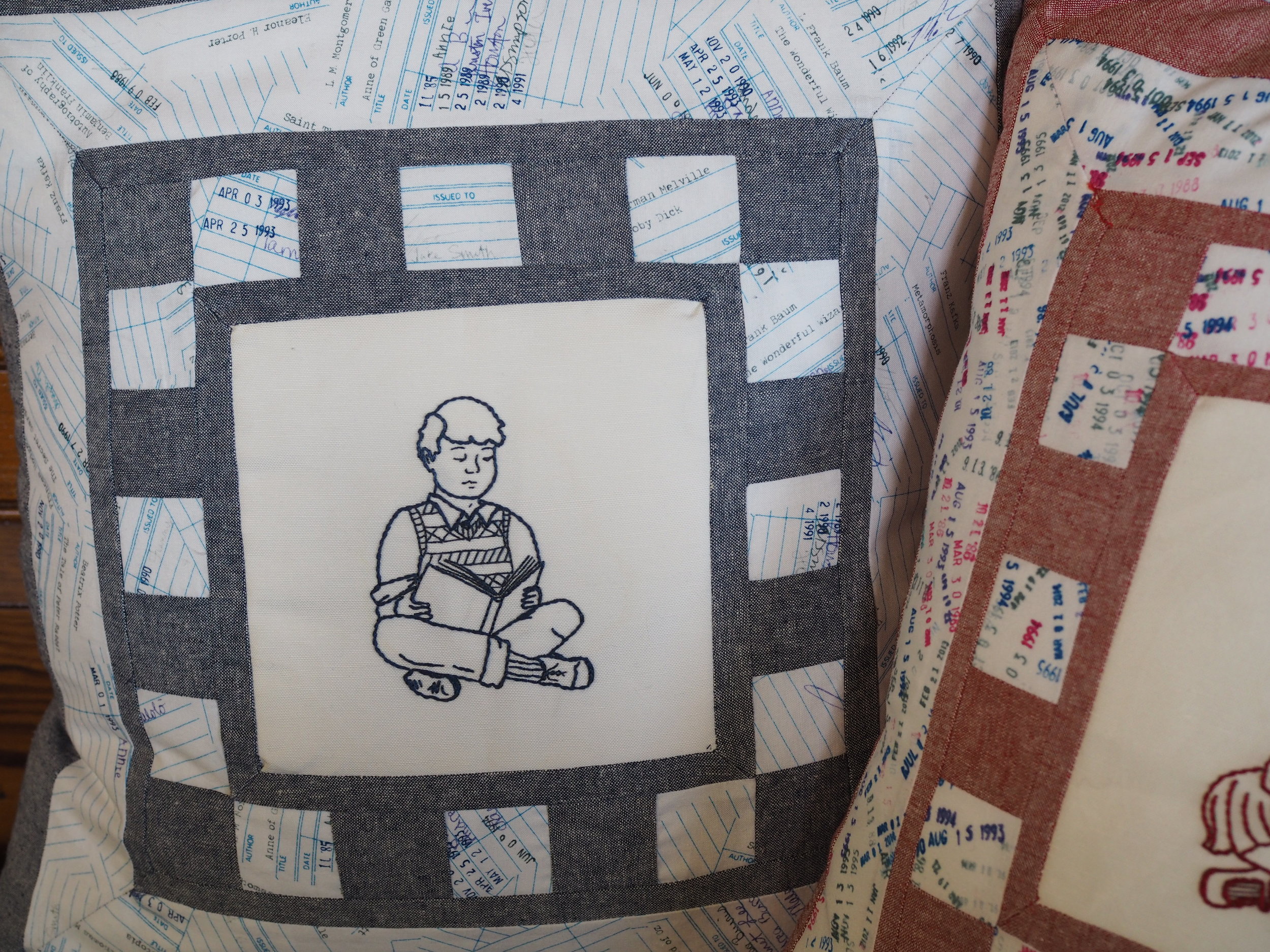


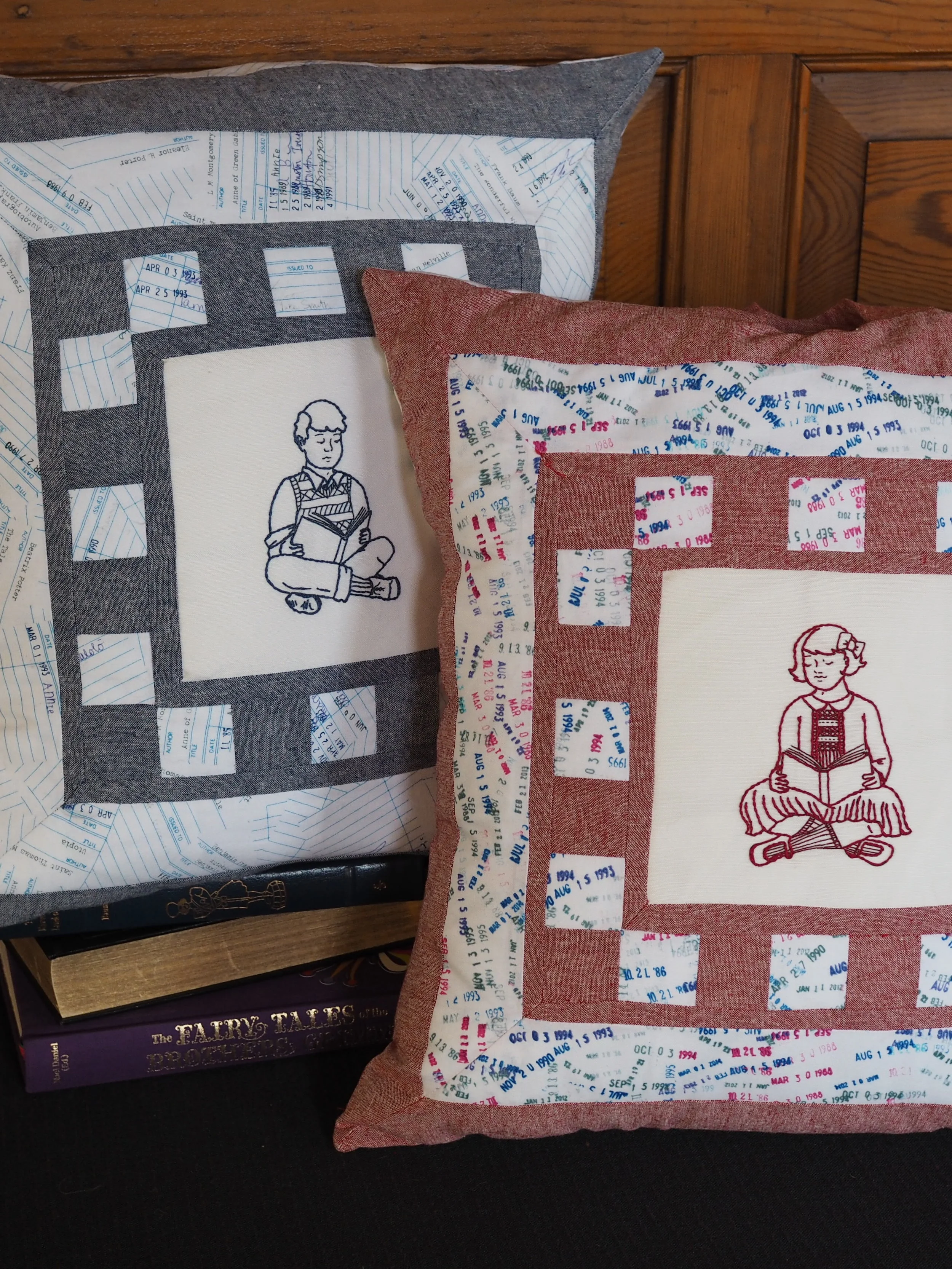
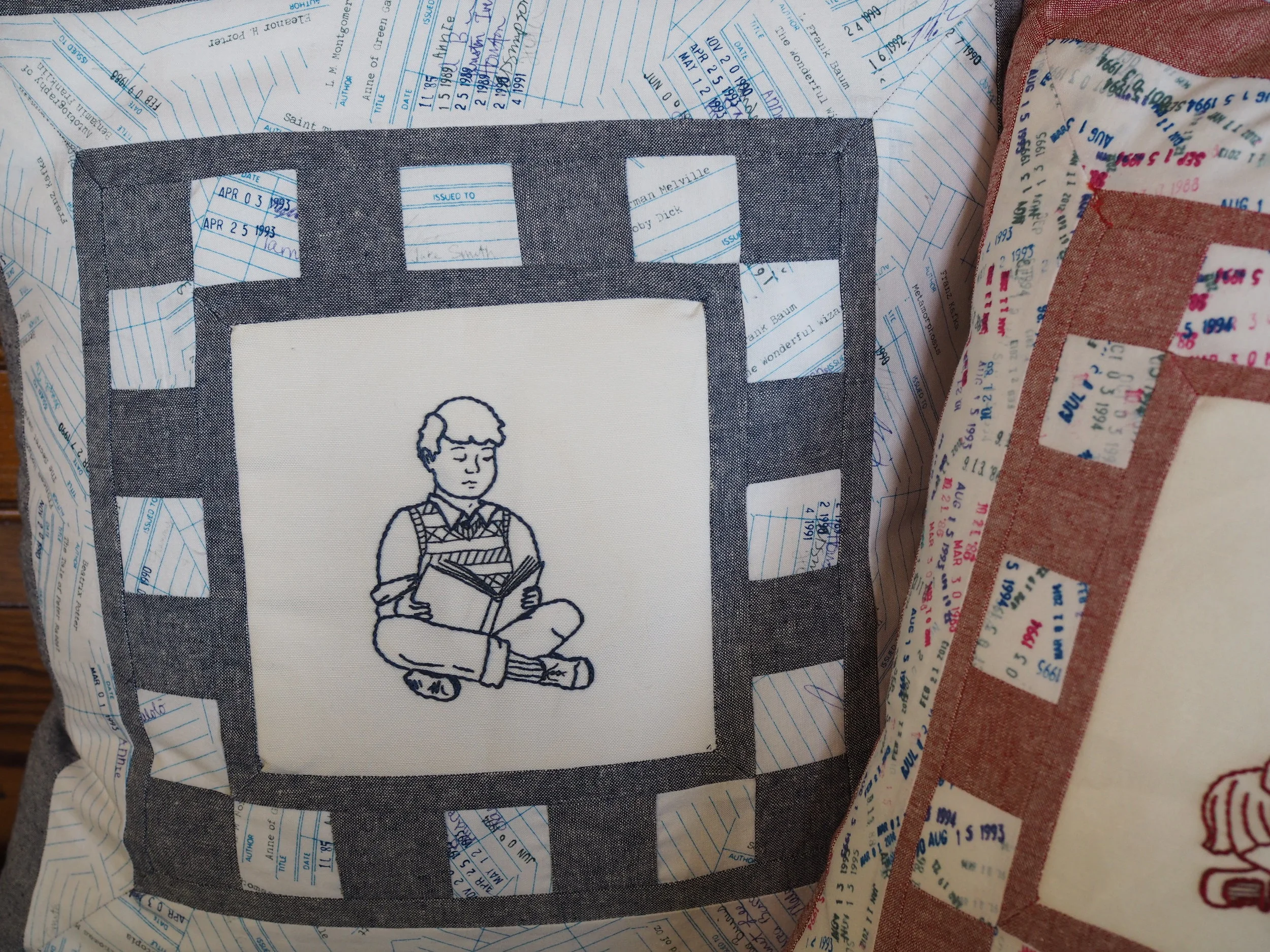

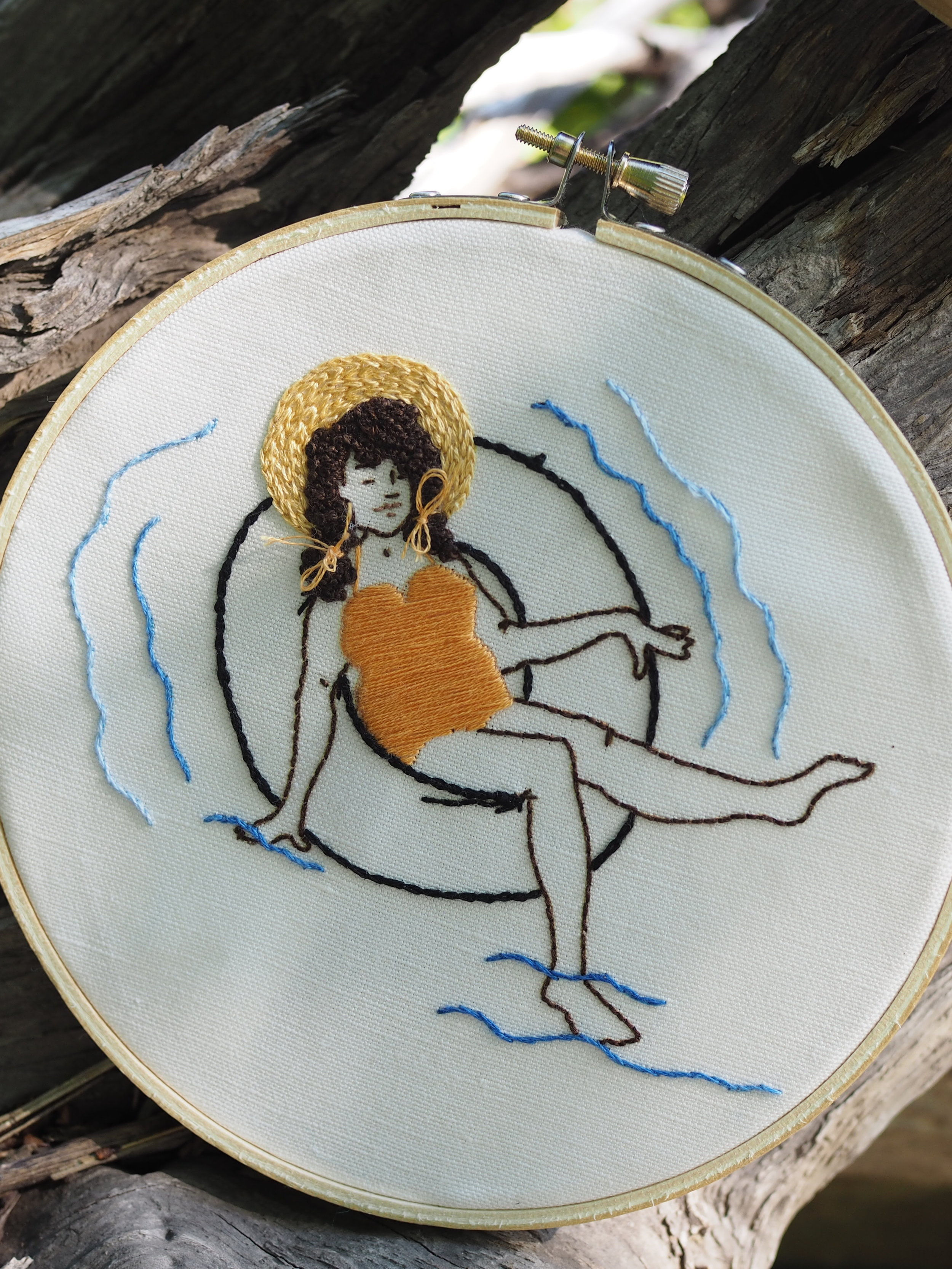
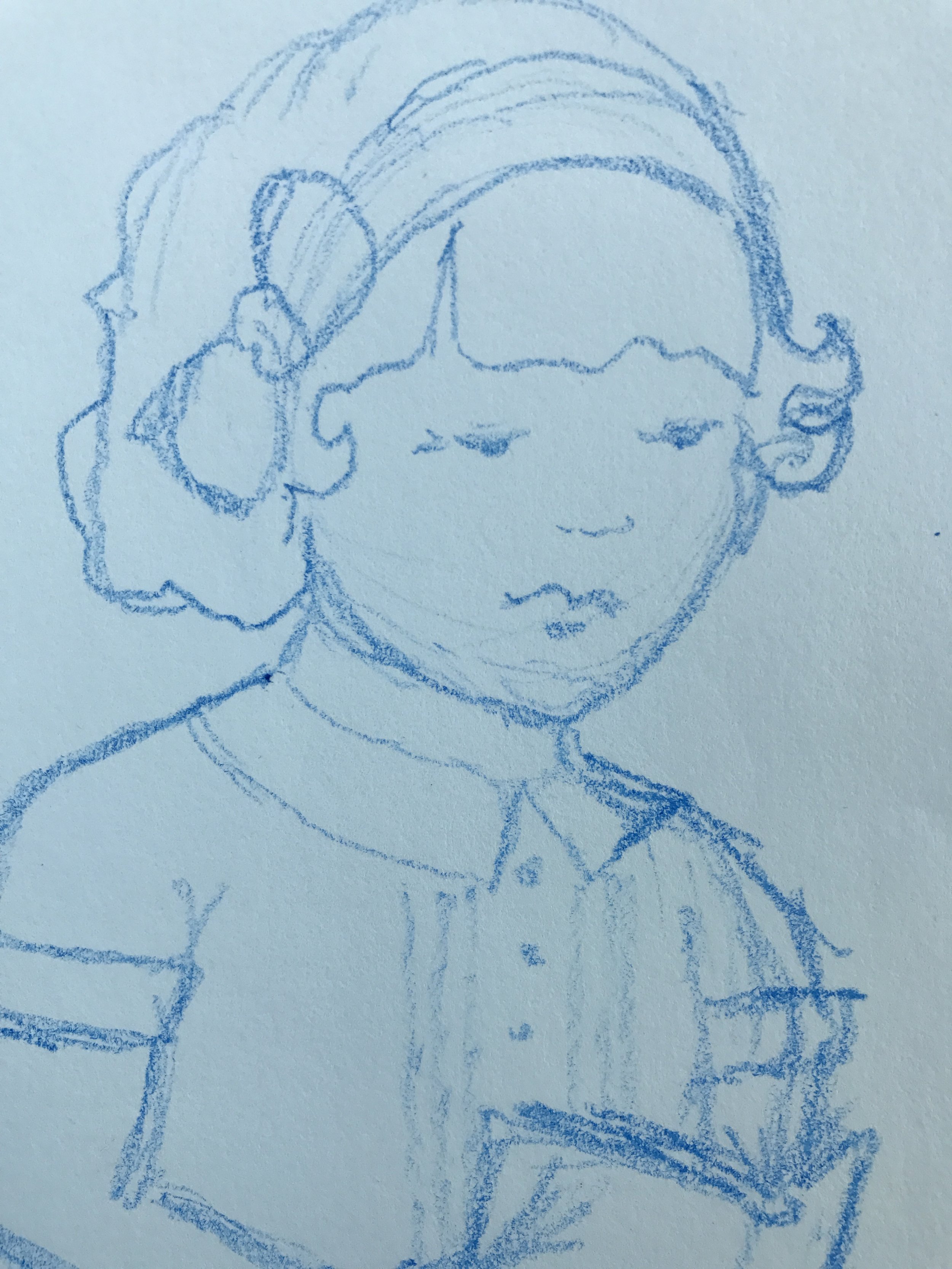
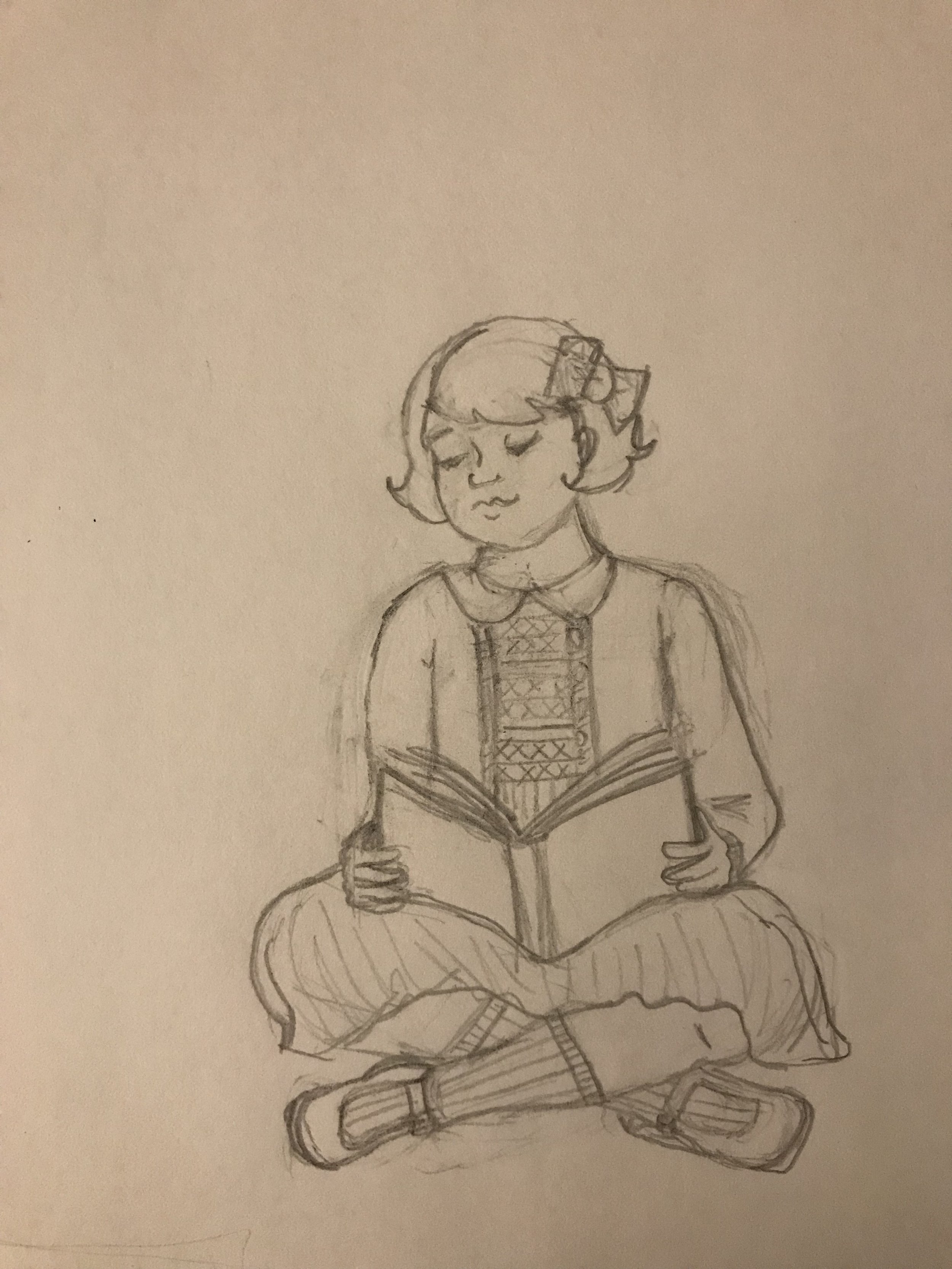
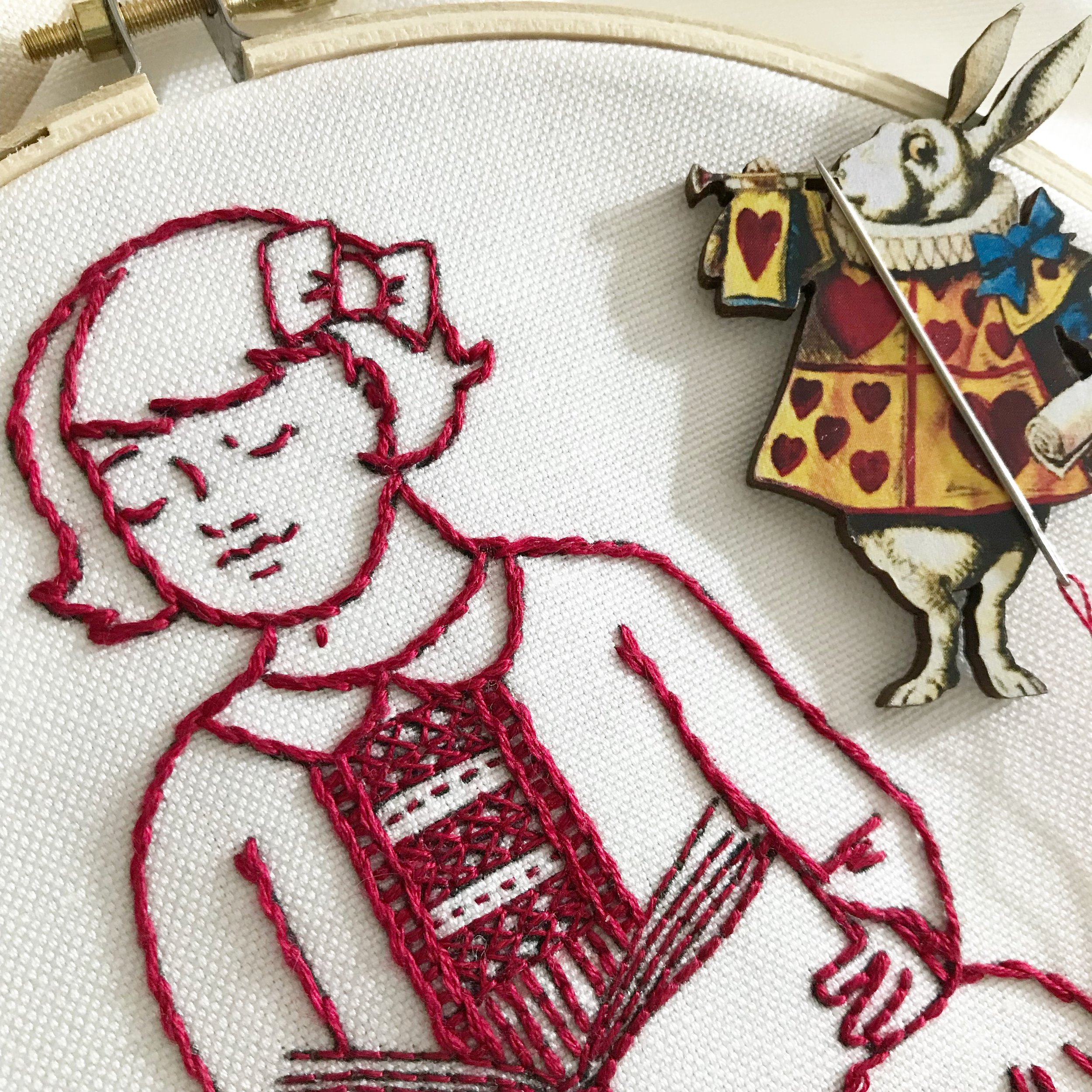




A companion to the Little Reader Boy, these vintage-inspired designs use a single color to create a strong outline, a technique known as redwork (or bluework, depending on the color). The paired-down design is a great introductory project for beginning embroiderers and would make a wonderful gift for the book-lover in your life.
—-
With the design pre-printed on a beautiful linen-blend fabric, stitching a heirloom quality piece of embroidery is almost as simple as coloring!
Embroidery kits make great gifts (including for yourself!) and are a wonderfully meditative activity that comes with a beautiful product at the end.
Hang your finished piece right in the hoop (I’ll show you how!), frame it, or sew it into a cushion, bag or quilt.
New to embroidery? Each kit comes with a 2-page color guide to basic stitches or check out the tutorial library for tips and step-by-step instructions.
——
COMPLETE EMBROIDERY KIT
Contains everything you need to stitch a beautiful wall-hanging.
High-quality Linen/Cotton Fabric pre-printed with design
6” wooden hoop
DMC Embroidery Floss to in three colors (black/red/blue) to complete design as shown
Embroidery needle
Guide to basic embroidery stitches (additional tutorials available at MsCleaver.com)
Complete kit packaged in a sturdy reusable kraft envelope suitable for gifting.
Have more floss than you know what to do with, or want to pick your own colors? Purchase the pre-printed panel only in the drop-down menu above. Also available as a PDF Pattern.
This kit is also available at a reduced price as part of the Ms. Marian Pillow kit to make a library-inspired reading pillow.
*Materials shown are a sample only and may vary by design.